10 Warning Signs of Bre.ast Can.cer You Should Never Ignore

While not every breast change is cancer, recognizing unusual symptoms early could make a crucial difference.
Breast cancer remains one of the most commonly diagnosed cancers worldwide. While many people associate it primarily with a breast lump, the disease can sometimes present through a variety of less obvious symptoms. Understanding these warning signs can help individuals seek medical attention sooner and potentially improve outcomes.
It is important to remember that many breast changes are not caused by cancer. However, persistent, unusual, or unexplained symptoms should always be evaluated by a healthcare professional.
One of the most recognized warning signs is the appearance of a new lump or thickened area in the breast or underarm. Such lumps may feel hard, irregular in shape, and different from the surrounding tissue. Although many breast lumps are benign, any new or changing lump should be examined by a doctor.


Another important sign is a change in breast size, shape, or appearance. If one breast suddenly becomes noticeably different from the other without an obvious reason, it may warrant further investigation. Swelling in part or all of the breast can also occur, even when no lump is felt.
Changes affecting the skin of the breast should not be overlooked. Some individuals may notice redness, persistent irritation, dimpling, or skin that begins to resemble the texture of an orange peel. These changes can sometimes indicate underlying disease and should be assessed promptly.
Nipple changes can also serve as an early warning sign. These may include a nipple that suddenly turns inward, persistent pain, unusual discharge, or changes in the skin around the nipple. While such symptoms can have non-cancerous causes, they should not be ignored if they persist.
Some people experience unexplained breast pain that does not go away. Although breast pain alone is not typically a common sign of breast cancer, ongoing discomfort without a clear explanation deserves medical evaluation.

Other possible warning signs include:
A new lump in the breast or underarm
Thickening of breast tissue
Changes in breast size or shape
Swelling of all or part of the breast
Skin dimpling or puckering
Redness or irritation of breast skin
Nipple inversion
Unusual nipple discharge
Persistent breast or nipple pain
Swollen lymph nodes near the collarbone or underarm
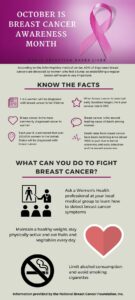
Experts emphasize that early detection remains one of the most effective tools in the fight against breast cancer. Regular self-awareness, routine medical checkups, and age-appropriate screening tests can help identify problems before symptoms become severe.
The presence of one or more of these signs does not automatically mean a person has breast cancer. Many benign conditions can cause similar symptoms. Nevertheless, any persistent or unusual breast change should be discussed with a qualified healthcare professional as soon as possible.
Being familiar with your body and paying attention to changes can play a valuable role in protecting your health. When it comes to breast health, timely evaluation is often the safest approach.