Doctors Reveal What Happens When You Eat Beets Regularly—Science-Backed Benefits (and Who Should Be Cautious)
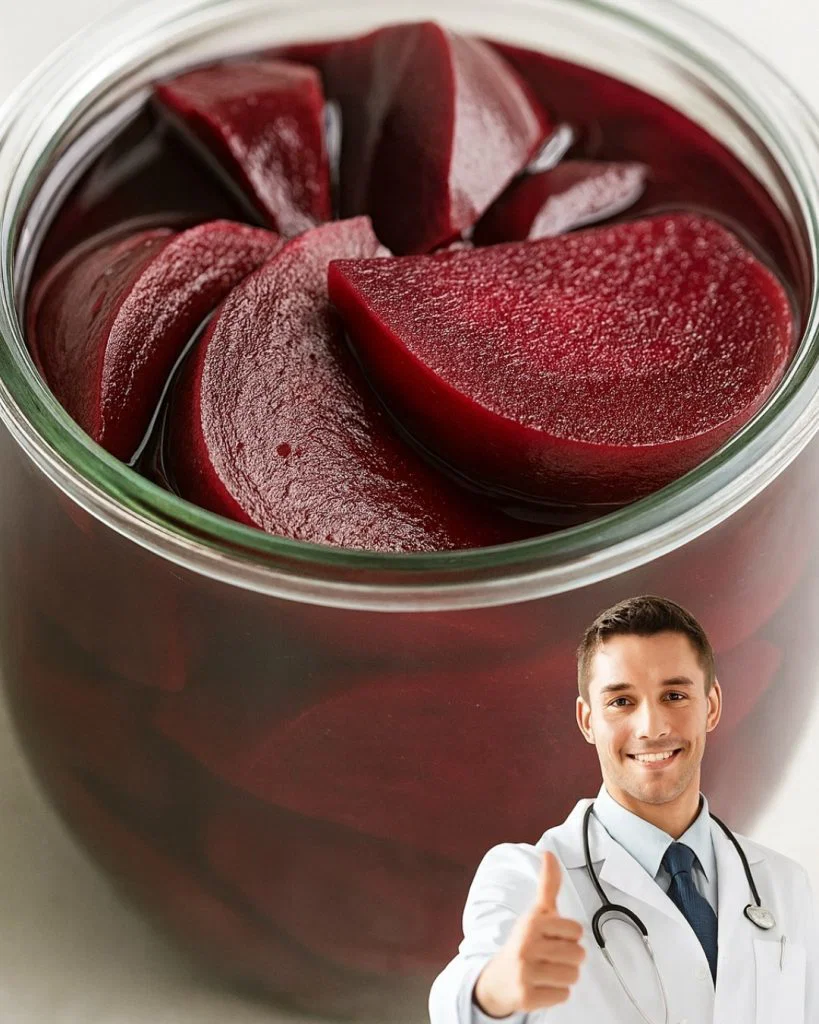
That deep ruby-red root sitting in your produce bin? It’s not just a colorful side dish—it’s a nutritional powerhouse with effects so profound, doctors and researchers are calling it “nature’s performance enhancer.”
From lowering blood pressure to boosting brain oxygenation, beets (or beetroot) deliver benefits that go far beyond their earthy flavor.
But is this vibrant vegetable right for you?
Let’s explore what medical experts actually say about eating beets—and when moderation matters.
🌱 What Makes Beets So Powerful?
Beets owe their superfood status to two key compounds:

Nitrates: Converted by your body into nitric oxide—a molecule that relaxes blood vessels and improves circulation
Betalains: Antioxidant pigments (responsible for the red color) that fight inflammation and support detoxification
📊 Per 1 cup (136g) cooked beets:
Only 58 calories
3.8g fiber
Folate (37% DV) – crucial for cell repair
Manganese (22% DV) – supports bone and metabolism health
Potassium, iron, and vitamin C
✅ 5 Science-Backed Effects of Eating Beets Regularly
1. Lowers Blood Pressure Naturally
Dietary nitrates in beets convert to nitric oxide, which dilates blood vessels and improves blood flow.
📚 Study insight: A 2022 meta-analysis in Hypertension found that drinking beet juice daily reduced systolic blood pressure by 4–10 mmHg within hours—comparable to some medications.
💡 Tip: For best results, eat beets raw, juiced, or lightly roasted—cooking reduces nitrate levels slightly.
2. Boosts Exercise Performance & Stamina
Athletes have long used beet juice to enhance endurance. Nitric oxide increases oxygen delivery to muscles, delaying fatigue.
🏃 Result: Up to 15% longer time to exhaustion during intense exercise (per Journal of the International Society of Sports Nutrition).
3. Supports Brain Health & Cognitive Function
Improved blood flow doesn’t just help your heart—it helps your brain.
🧠 Studies show beet consumption increases blood flow to the frontal lobe, the area tied to decision-making and working memory—especially in older adults.
4. Aids Natural Detoxification
Betalains stimulate liver enzymes that help process and eliminate toxins.
🌿 Traditionally used in Eastern European folk medicine to support liver and gallbladder health.
5. Reduces Inflammation
Chronic inflammation drives arthritis, heart disease, and more. Beets’ antioxidants actively suppress inflammatory markers like CRP and IL-6.
⚠️ Who Should Be Cautious With Beets?
While beneficial for most, beets aren’t ideal for everyone:
1. People Prone to Kidney Stones
Beets are high in oxalates, which can contribute to calcium-oxalate kidney stones.
💧 Prevention: Drink plenty of water and pair with calcium-rich foods to bind oxalates.
2. Those on Blood Pressure Medication
Beets can amplify the effects of antihypertensives, potentially causing dangerously low blood pressure.
🩺 Important: Monitor your levels and consult your doctor before adding beet juice daily.
3. People with Iron Overload (Hemochromatosis)
Beets contain non-heme iron—usually safe, but those with iron metabolism disorders should moderate intake.
🥗 How to Enjoy Beets (Maximize Benefits!)
Raw: Grated into salads or blended into smoothies
Juiced: Mix with apple or carrot to balance earthiness
Roasted: Toss with olive oil, salt, and thyme at 400°F for 45 minutes
Pickled: Quick-pickle with vinegar, sugar, and spices for tangy crunch
In soups: Borscht—a traditional Eastern European beet soup packed with flavor
🚫 Avoid overcooking: Steaming or roasting preserves more nutrients than boiling.
💬 Final Thought: Small Root, Big Impact
Beets won’t cure disease overnight—but eaten regularly as part of a balanced diet, they’re a simple, affordable tool for long-term cardiovascular, cognitive, and metabolic health.
So next time you see those ruby roots at the market, grab a bunch.
Your heart, brain, and muscles might just thank you in ways you never expected.
❤️ Because sometimes, the most powerful medicine grows underground.
Found this helpful?
👉 Save this guide for your next grocery trip
👉 Share it with someone managing blood pressure or training for a race
👉 Comment below: How do you like to eat beets?
Disclaimer: This article is for educational purposes only and not medical advice. Consult your healthcare provider before making dietary changes, especially if you have kidney disease, low blood pressure, or are on medication.