Doctors Reveal What Really Happens to Your Body When You Eat Cucumber
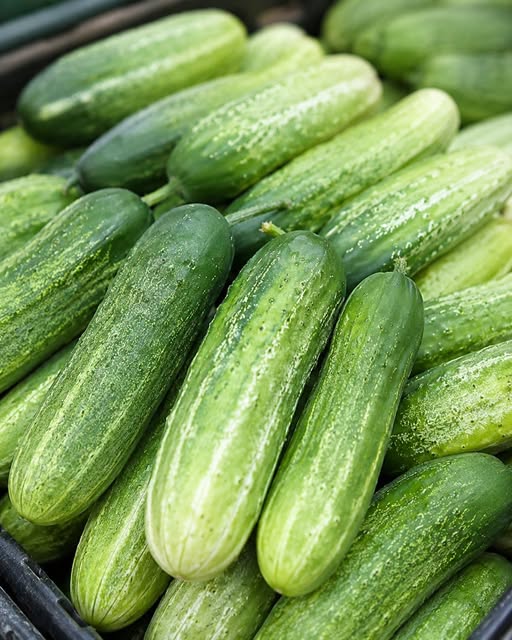
Cucumber is refreshing and low in calories—but can it improve hydration, digestion, blood sugar, or weight? Here is what science actually shows.
Cucumber is often promoted online as a “detox food” that burns fat, clears the skin, lowers blood sugar, and prevents disease. The reality is less dramatic—but still worth knowing.
Eating cucumber adds water and small amounts of fiber, vitamin K, potassium, and other nutrients without many calories. It may also help create a filling, lower-energy meal when it replaces a calorie-dense snack. However, cucumber is not a medicine, and claims that it cleanses the body or cures chronic conditions are not supported by human clinical research.
So, what actually happens when you eat cucumber? Here is the evidence-based answer.
First, What Is in a Cucumber?
According to USDA FoodData Central, 100 grams of raw cucumber with the peel contains approximately 15 calories, 95.2 grams of water, 3.6 grams of carbohydrate, 0.5 grams of fiber, 147 milligrams of potassium, and 16.4 micrograms of vitamin K. A whole cucumber weighing about 301 grams provides roughly 45 calories and 2 grams of fiber, although its exact nutrient content varies with size and variety. The USDA also describes cucumber as approximately 96% water.
That profile explains most of cucumber’s real benefits. It is mainly water packaged inside a crisp, minimally processed vegetable, with modest amounts of nutrients—not a concentrated source of protein, fiber, vitamins, or minerals.

1. You Add Water to Your Daily Intake
The first and most immediate effect is simple: you consume more water. Because cucumber is about 95% water by weight, a 100-gram serving supplies roughly 95 milliliters of water.
Water from food counts toward total fluid intake. That does not mean cucumber hydrates better than drinking water, but it can contribute to hydration alongside beverages and other water-rich foods. This may be especially useful in hot weather, after light activity, or for people who find plain water unappealing.
Still, cucumber should not replace fluids during intense exercise, vomiting, diarrhea, or dehydration. In those situations, the body may need considerably more fluid and sometimes electrolytes.
2. You Can Feel Satisfied for Very Few Calories
Cucumber has a very low energy density, meaning it provides a relatively large food volume for few calories. Research shows that low-energy-dense foods, including vegetables, can reduce meal calorie intake while maintaining a satisfying volume.
The important word is can. Cucumber does not burn body fat. Its value depends on what it replaces and how it is served. Cucumber with hummus instead of chips may reduce calorie intake; adding it to an already large meal will not automatically cause weight loss. A calorie-heavy dressing may also erase the advantage.
A review indexed by the National Library of Medicine supports lowering dietary energy density as one useful strategy for moderating energy intake, but long-term weight change still depends on the overall eating pattern, physical activity, sleep, health, and other factors.
3. Your Blood Sugar Is Unlikely to Rise Sharply
Cucumber is a non-starchy vegetable with very little digestible carbohydrate. One hundred grams contains only about 3.6 grams of total carbohydrate, part of which is fiber. As a result, plain cucumber usually has a much smaller effect on blood glucose than bread, sweets, sugary drinks, or large portions of starchy foods.
The American Diabetes Association includes cucumber among non-starchy vegetables that have relatively little carbohydrate and a smaller impact on blood glucose. This makes it an easy ingredient for salads, snacks, and balanced meals for many people with diabetes.
However, “small effect on blood sugar” does not mean “lowers blood sugar.” An ordinary serving does not treat diabetes or replace medication. Also consider sweetened dressings, sugary cucumber drinks, or refined crackers served with it.
4. Your Digestion May Get Modest Support
Cucumber provides both water and a little fiber, two components that support normal bowel function. The National Institute of Diabetes and Digestive and Kidney Diseases explains that fluids help dietary fiber work better and can make stool softer and easier to pass.
But cucumber is not high in fiber: 100 grams supplies only about half a gram. For constipation, it can help, but beans, lentils, whole grains, berries, pears, and higher-fiber vegetables contribute much more.
Some people may experience belching, bloating, or discomfort after eating raw vegetables. Individual tolerance matters. If symptoms repeatedly occur after cucumber, try a smaller portion, remove the peel and seeds, or discuss persistent digestive symptoms with a health professional.
5. You Receive a Useful—but Not Huge—Amount of Vitamin K
Raw cucumber with its peel supplies about 16.4 micrograms of vitamin K per 100 grams, or roughly 14% of the U.S. Daily Value. Vitamin K is required to make proteins involved in normal blood clotting and bone metabolism, according to the National Institutes of Health.
This makes cucumber a helpful contributor, particularly when the peel is eaten, but it is not among the richest vitamin K foods. Leafy greens such as spinach and kale provide much more.
People taking warfarin should not assume they must avoid cucumber. The medically important issue is consistency: large, sudden changes in vitamin K intake can affect how warfarin works. If you take warfarin or another medicine affected by diet, follow the plan given by your clinician rather than making major dietary changes on your own.
6. You Add a Small Amount of Potassium
Potassium helps nerves, muscles, and the heart function normally. Diets that provide adequate potassium—especially when paired with lower sodium intake—can support healthy blood pressure. Yet cucumber contributes only a modest amount: about 147 milligrams per 100 grams.
In other words, cucumber can participate in a heart-healthy eating pattern, but one serving is unlikely to lower blood pressure by itself. The strongest approach is a varied diet containing many fruits, vegetables, legumes, and other potassium-rich foods. The NIH potassium fact sheet also notes that people with kidney disease or those taking certain medications may need individualized potassium advice.
7. Your Meal May Improve—If Cucumber Replaces Less Nutritious Foods
Perhaps the most meaningful effect of cucumber is behavioral rather than biochemical. It is crisp, portable, easy to prepare, and compatible with many foods. Using it to increase the vegetable portion of a meal can make a balanced eating pattern easier to maintain.
Try cucumber with yogurt and herbs, add it to a sandwich, combine it with beans and tomatoes, or serve it with hummus. Eating it whole or sliced preserves its fiber; juicing removes much of that advantage. A little fat, such as olive oil or yogurt, can improve vitamin K absorption.
What Cucumber Does Not Do
Cucumber does not “flush toxins” from the body, melt abdominal fat, cure diabetes, or guarantee clear skin. Your liver, kidneys, lungs, and digestive system already process and remove waste. The National Center for Complementary and Integrative Health reports that detox and cleanse programs lack convincing clinical support and can sometimes create health risks.
Cucumber contains plant compounds studied in laboratories, but test-tube antioxidant activity does not prove that eating normal servings prevents cancer or treats disease in humans. Benefits seen with concentrated cucumber extracts also cannot automatically be applied to the whole vegetable.
Are There Any Downsides?
For most healthy people, cucumber is safe as part of a varied diet. A few precautions are sensible:
Wash it properly. Raw produce can carry harmful microbes. The FDA recommends rinsing produce under running water, scrubbing firm items such as cucumbers with a clean produce brush, keeping them away from raw meat, and refrigerating cut produce promptly. Soap and household disinfectants should not be used on food.
Watch the sodium in pickles. Pickled cucumber can contain much more sodium than fresh cucumber. Check the label if you limit sodium.
Be aware of allergy symptoms. People with ragweed pollen allergy can occasionally develop oral allergy syndrome from cucumber, causing itching or tingling in the mouth. Stop eating it and seek urgent help for breathing difficulty, throat swelling, dizziness, or a widespread reaction.
Keep medication and medical conditions in mind. Warfarin users need consistent vitamin K intake, while people following a kidney diet should use their clinician’s individualized guidance.
The Bottom Line
Eating cucumber causes several small, useful changes: it adds water, provides a little fiber and vitamin K, has minimal impact on blood glucose when eaten plain, and can lower a meal’s energy density when it replaces more calorie-dense food. Those are credible benefits—but they come from cucumber’s basic nutrient profile, not from a detoxifying or disease-curing power.
Enjoy cucumber because it is refreshing, versatile, and easy to fit into a balanced diet. Just remember that no single food determines health. The pattern you repeat over time matters far more than any one ingredient.