Frequent intestinal gas: the real causes that almost no one explains clearly
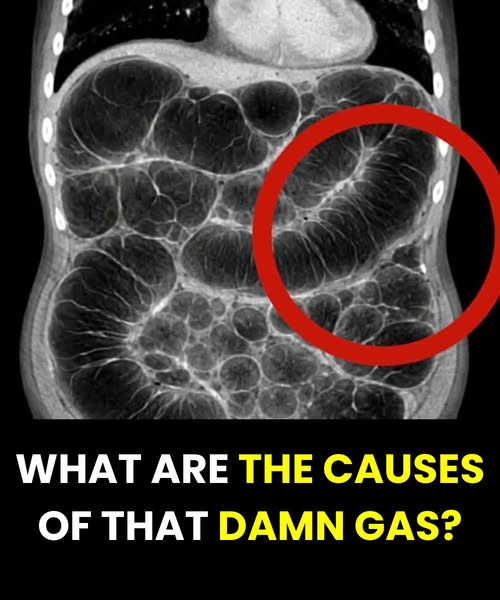
1. Overview of Frequent Gas and Bloating
Experiencing constant intestinal gas can be uncomfortable and frustrating. While many people blame their diet alone, the issue is often tied to how the digestive system functions overall. It’s not just about what you eat—but how your body processes it.
2. Poor Digestion as a Key Cause
One of the most common reasons is inefficient digestion. When the body lacks enough digestive enzymes, food isn’t properly broken down. Instead of being absorbed, it ferments in the gut, producing gas, bloating, and a heavy feeling after meals. This is a clear sign the digestive system isn’t working optimally.
3. Small Intestinal Bacterial Overgrowth (SIBO)
Another important factor is SIBO, where bacteria grow in parts of the intestine where they shouldn’t. These bacteria ferment food excessively, leading to increased gas production. This imbalance often causes persistent bloating and discomfort after eating.
4. Food Intolerances
Certain substances like lactose, fructose, and gluten can be difficult for some people to digest. When these aren’t properly processed, they reach the intestine and are fermented by bacteria, producing excess gas. Many people live with these intolerances for years without realizing it.

5. High-FODMAP Foods
Foods rich in FODMAPs—such as bread, legumes, and some fruits—are highly fermentable. While they aren’t harmful by nature, they can trigger excessive gas production in people with sensitive digestive systems.
6. Swallowing Air (Aerophagia)
A commonly overlooked cause is swallowing air. Eating too quickly, talking while chewing, or drinking through straws can introduce excess air into the digestive tract. This air later leads to bloating, burping, and discomfort.
7. Underlying Digestive Conditions
Conditions like gastritis, gut microbiome imbalance (dysbiosis), or irritable bowel syndrome (IBS) can worsen gas-related symptoms. These disorders interfere with how food is processed, increasing fermentation and gas production.
8. Warning Signs to Watch For
Certain symptoms may indicate a more serious issue, such as persistent bloating, abdominal pain, strong-smelling gas, or frequent burping. These signs suggest that medical evaluation may be necessary.
9. Conclusion
Intestinal gas is not just a normal side effect of eating—it can be a signal that something isn’t functioning properly in your digestive system. Understanding the root causes is the first step toward restoring balance and improving overall well-being.