If You Have Visible Veins, Does It Mean Your Circulation Is Poor?
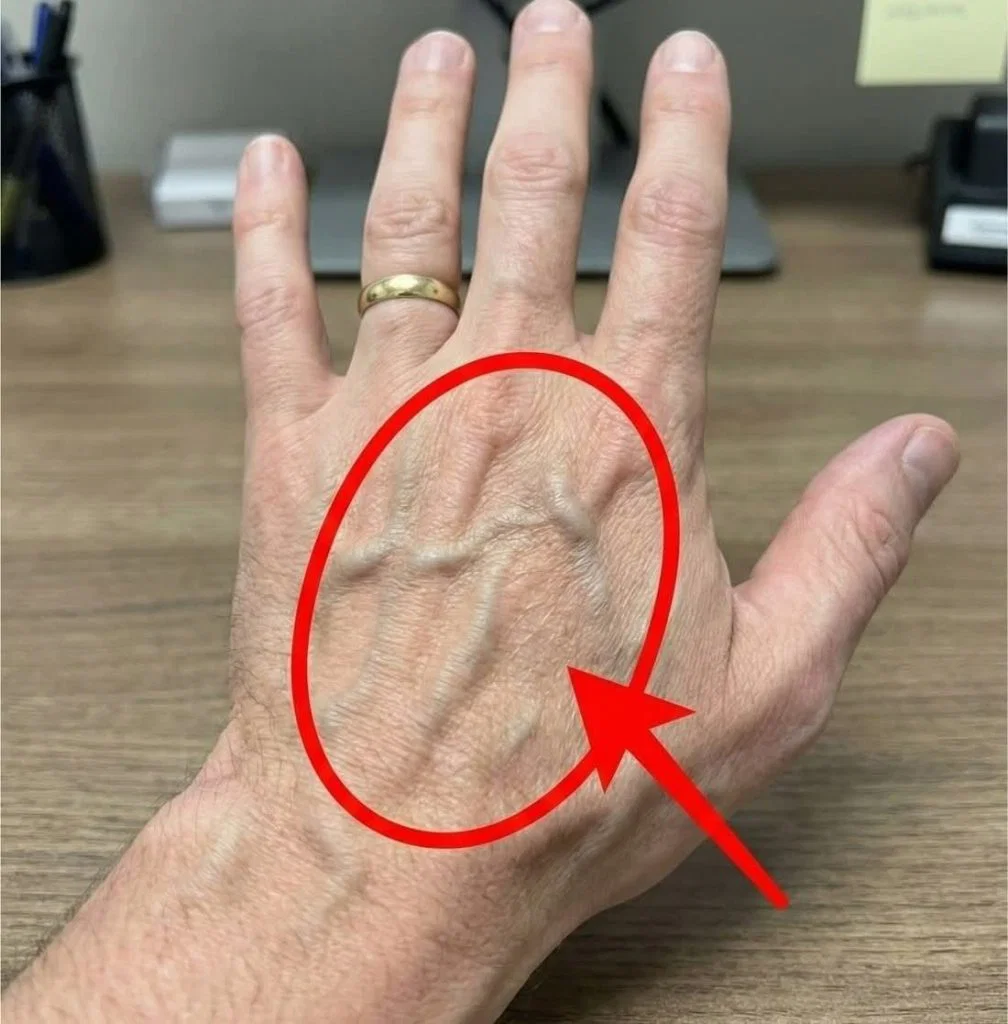
Visible veins can sometimes catch people’s attention and lead to concerns about health, especially circulation. Many individuals notice veins on their hands, arms, legs, or feet and wonder whether this is a warning sign of a medical problem.
In reality, visible veins are usually normal and often harmless, and they do not necessarily indicate poor circulation. Understanding why veins become more noticeable can help reduce unnecessary worry and help you recognize when medical attention might actually be needed.
Let’s explore what visible veins actually mean—and when to pay attention.
First, What Are Visible Veins?
Veins carry blood back to the heart after oxygen has been delivered throughout the body. In many people, veins on areas such as the hands, arms, and legs can become noticeable beneath the skin. This is usually normal and influenced by several common factors.
Why Veins Become Visible (Normal Reasons)
Low Body Fat
When body fat is lower, there is less tissue covering the veins, making them easier to see. This is common among athletes and physically fit individuals.

Thin or Fair Skin
Some people naturally have thinner, more translucent skin. This allows veins to show through more easily—especially on hands, wrists, and the tops of feet.
Age
As we age, skin naturally loses collagen and elasticity, becoming thinner and more transparent. Fat padding also diminishes over time. This is why visible veins become more common after 50.
Exercise and Activity
During and after exercise, blood flow increases and veins dilate to deliver oxygen to working muscles. Veins become more prominent—a sign of good circulation, not poor.
Heat
Hot weather causes veins to dilate (vasodilation) as your body tries to cool itself. Veins move closer to the surface, becoming more visible.
Hydration
Well-hydrated bodies have greater blood volume, which can make veins appear fuller and more visible. Dehydration can actually make veins less visible.
Genetics
If your parents have visible veins, you’re more likely to have them too. It’s simply an inherited trait.
When Visible Veins Might Signal Something
While visible veins are usually harmless, certain patterns deserve attention:
1. Varicose Veins
Enlarged, twisted, rope-like veins that often appear dark purple or blue. They can cause:
Aching or heavy feeling in legs
Burning, throbbing, or cramping
Itching around the vein
Swelling in feet and ankles
What to do: See your doctor. Treatment options range from compression stockings to minimally invasive procedures.
2. Spider Veins
Smaller, red, purple, or blue veins that look like spider webs or tree branches. Usually cosmetic, but can sometimes cause discomfort.
3. Chronic Venous Insufficiency (CVI)
A condition where veins struggle to send blood back to the heart, causing blood to pool in the legs. Symptoms include:
Swelling in legs and ankles
Aching, heaviness, or fatigue in legs
Skin changes (thickening, discoloration)
Leg ulcers (in advanced stages)
4. Deep Vein Thrombosis (DVT) – Emergency
A blood clot in a deep vein, usually in the leg. Symptoms:
Sudden swelling in one leg
Pain or tenderness (cramping)
Warmth over the affected area
Red or discolored skin
This is a medical emergency. Seek care immediately.
5. Superficial Thrombophlebitis
Inflammation of a vein just under the skin, with a visible red, tender cord. See a doctor.