Stop refrigerating these 5 common foods: they cause can:c:er, dementia, and inflammation. 🤔🤔… See more 👇👇
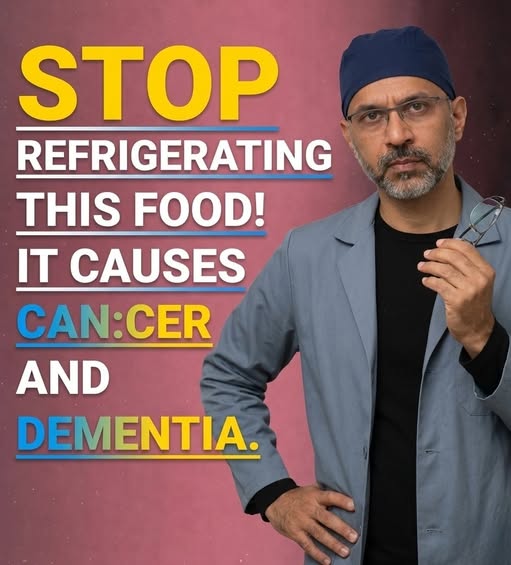
You’ve probably heard warnings like this before—claims that refrigerating certain foods can lead to serious health issues like cancer, dementia, or inflammation. It’s a scary idea… but also a misleading one.
Let’s clear things up first: there’s no solid scientific evidence that simply refrigerating common foods directly causes cancer, dementia, or chronic inflammation. In fact, refrigeration is one of the most important ways we prevent foodborne illness and keep food safe.
That said, there are a few everyday foods that don’t do well in the fridge—not because they become dangerous, but because their quality, taste, or nutritional value can be affected.
Here are 5 foods you might want to keep out of the fridge—and why:
1. Tomatoes
Refrigerating tomatoes can break down their internal structure, making them mealy and bland. Cold temperatures also reduce their natural flavor compounds.
Best storage: Keep them at room temperature, away from direct sunlight.

2. Potatoes
Cold temperatures convert potato starch into sugar more quickly. When cooked (especially fried), this can lead to the formation of acrylamide, a chemical that has raised health concerns in high amounts.
Best storage: Store in a cool, dark place—but not the fridge.
3. Onions
Whole onions stored in the fridge can become soft, moldy, and absorb excess moisture. However, once cut, they should be refrigerated in a sealed container.
Best storage: Dry, well-ventilated space.
4. Garlic
Refrigerating garlic can cause it to sprout faster and develop a rubbery texture. It may also lose some of its flavor.
Best storage: A cool, dry place with airflow.
5. Bread
Putting bread in the fridge actually makes it go stale faster due to a process called starch retrogradation.
Best storage: Room temperature for short term, or freeze it for longer storage.
So Where Did the “Health Risk” Idea Come From?
Some of these claims are based on half-truths or misinterpretations:
Certain cooking processes (like frying potatoes) can produce compounds that may be harmful in large amounts—but that’s not caused by refrigeration alone.
Mold growth or poor food handling—not the fridge itself—is what can lead to health risks.
Viral posts often exaggerate links between everyday habits and serious diseases without scientific backing.
The Bottom Line
Refrigeration is generally safe and essential for preserving many foods like meat, dairy, and leftovers. While some foods lose quality in the fridge, they don’t suddenly become toxic or disease-causing.
Instead of worrying about myths, focus on:
Proper food storage
Safe cooking practices
A balanced diet
That’s what truly supports long-term health—not whether your tomatoes sit on the counter or in the fridge.