Unwanted Visitors in Your Child’s Hair
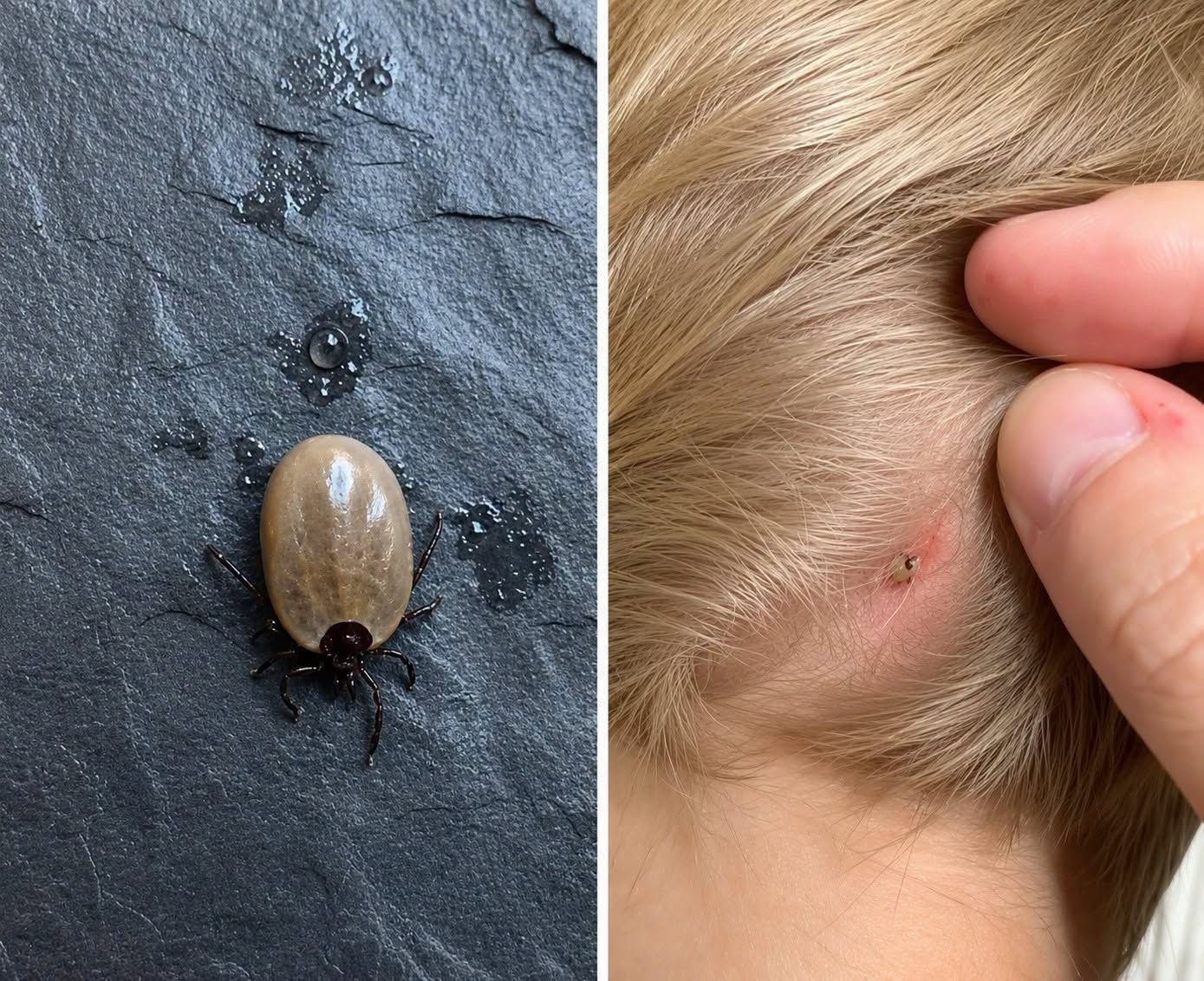
Tick Bites: What You Need to Know and What to Do
Ticks may be tiny, but a tick bite is something you should never completely ignore. These small parasites can attach themselves to people and animals without being noticed and, in some cases, transmit infections.
Because tick bites are often painless, knowing what to look for—and what to do if you find a tick attached to your skin—can make a big difference.
What Are Ticks?
Ticks are tiny parasites that survive by feeding on the blood of humans and animals. They are commonly found in wooded areas, grassy fields, gardens, and places frequented by pets or wildlife.
One of the tricky things about tick bites is that they are often painless. You may not even realize you have been bitten until you discover the tick attached to your skin. In some cases, a tick can remain attached for hours or even several days while feeding.

What Happens When a Tick Bites?
When a tick bites, it attaches firmly to the skin and begins feeding on blood. The area may initially look like a small red bump, and some people experience mild itching, swelling, or irritation.
However, the bite itself is not always the biggest concern. Certain ticks can carry bacteria or other germs that may cause illness.
For some tick-borne infections, the risk can increase the longer an infected tick remains attached. Removing a tick promptly and cleaning the bite area afterward are important steps.
Common Symptoms After a Tick Bite
A small amount of redness or itching around the bite can occur. Still, it is important to monitor yourself for additional symptoms over the following days and weeks.
Possible warning signs include:
Fever or chills
Headache
Unusual tiredness or weakness
Muscle aches
Joint pain
Swollen lymph nodes
A rash that spreads or becomes larger
Some tick-borne illnesses can cause symptoms that resemble the flu. A gradually expanding rash can also be an important sign of certain infections.
What Diseases Can Ticks Spread?
Ticks can transmit several different diseases, depending on the tick species and geographic location.
Lyme disease is one of the best-known tick-borne illnesses. It can cause symptoms such as fever, fatigue, headache, muscle aches, joint pain, and, in some cases, an expanding rash. Without appropriate treatment, Lyme disease can sometimes affect the joints, nervous system, or heart.
Other illnesses associated with ticks include Rocky Mountain spotted fever, ehrlichiosis, anaplasmosis, babesiosis, and tick paralysis. Some of these conditions can become serious, particularly in vulnerable individuals.