A Safe, Budget-Friendly Approach to Keeping Cockroaches Out of Your Home
Introduction: Why Cockroaches Are Such a Common Household Concern
Few household issues cause as much discomfort as discovering cockroaches in your living space. These pests are not only unpleasant to encounter, but they can also create stress and frustration for homeowners trying to maintain a clean and healthy environment.
Cockroaches are known for their ability to survive in a wide range of conditions. They often hide in dark, damp, and hard-to-reach areas, making them difficult to detect until their presence becomes noticeable. Once they settle into a home, they can be challenging to eliminate without a consistent and well-planned approach.
The good news is that managing cockroaches does not always require expensive treatments or complicated solutions. With the right combination of prevention, cleanliness, and safe methods, it is possible to reduce their presence significantly and maintain a more comfortable living space.
This article explores practical, cost-effective, and responsible ways to address cockroach problems while keeping your household safe—especially if you have children or pets.
Understanding Why Cockroaches Enter Homes
Before addressing how to manage cockroaches, it’s important to understand why they enter homes in the first place.

Cockroaches are primarily attracted to three things:
Food sources
Moisture
Shelter
Homes naturally provide all three, especially in areas like kitchens, bathrooms, basements, and storage spaces.
Common Entry Points
Cockroaches can enter homes through:
Cracks in walls or floors
Gaps around doors and windows
Plumbing openings
Grocery bags or cardboard boxes
Even the cleanest homes can occasionally experience cockroach activity, especially in warmer climates or densely populated areas.
Signs You May Have a Cockroach Problem
Many people don’t realize they have cockroaches until the issue becomes more visible. Here are some common signs to watch for:
Seeing live cockroaches, especially at night
Small dark droppings in cabinets or corners
Unusual musty odors
Shed skins or egg casings
Smear marks near surfaces
Early detection is key. Addressing the issue promptly can prevent a small problem from becoming more serious.
The Importance of a Safe and Responsible Approach
When dealing with pests, safety should always come first.
Some DIY solutions found online may involve ingredients or methods that can be harmful if misused. It’s essential to choose approaches that minimize risk to:
Children
Pets
Food preparation areas
Always follow best practices and consider consulting a professional if the infestation is severe.
A Simple, Budget-Friendly Method People Often Try
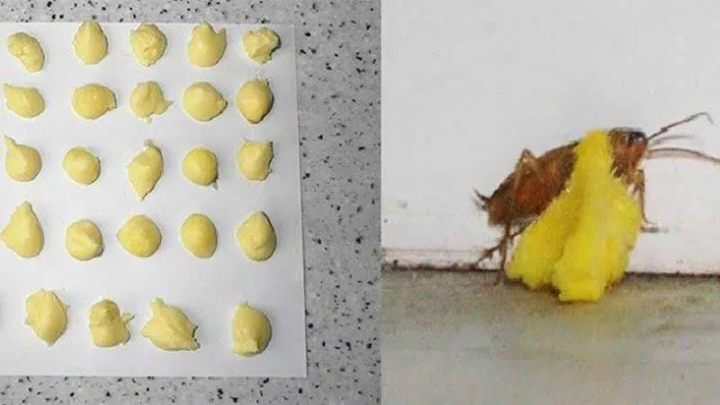
One commonly discussed home approach involves creating small bait-like mixtures designed to attract cockroaches.
While variations of this method exist, it’s important to understand that any substance used to control pests should be handled with care. If you choose to explore DIY options, keep the following guidelines in mind:
Use only small amounts
Place materials in areas inaccessible to children and pets
Avoid contamination of food surfaces
Clearly label or track placement locations
Safety is always more important than speed when it comes to pest control.
Where Cockroaches Tend to Hide
To effectively manage cockroaches, you need to know where they are most likely to gather.
Common hiding spots include:
Under sinks
Behind appliances
Inside cabinets
Basement corners
Bathroom plumbing areas
Closets and storage boxes
These locations tend to provide the darkness and moisture cockroaches prefer.
Prevention: The Most Effective Long-Term Solution
While treatment methods can help reduce cockroach activity, prevention is the most effective long-term strategy.
1. Keep Surfaces Clean
Wipe down counters regularly and avoid leaving food out overnight. Even small crumbs can attract pests.
2. Store Food Properly
Use airtight containers for pantry items such as:
Cereal
Flour
Sugar
Pet food
3. Take Out Trash Frequently
Overflowing trash bins can quickly become a food source for cockroaches.
4. Fix Leaks and Reduce Moisture
Repair dripping faucets and pipes. Cockroaches are highly attracted to water sources.
5. Seal Entry Points
Use caulk or weather stripping to block gaps around:
Doors
Windows
Baseboards
Why Consistency Matters
One of the biggest mistakes people make is expecting immediate results.
Cockroach management often requires:
Repeated efforts
Monitoring
Adjustments
Even effective methods may need to be applied more than once to address eggs and newly hatched insects.
The Role of Cleanliness in Pest Control
Cleanliness plays a critical role in reducing cockroach activity.
Even small habits can make a difference:
Washing dishes promptly
Sweeping floors regularly
Cleaning behind appliances
Avoiding clutter
A clean environment removes the resources cockroaches rely on to survive.
When to Consider Professional Help
If the problem persists despite your efforts, it may be time to contact a licensed pest control professional.
Professional services can:
Identify the extent of the issue
Use targeted and regulated treatments
Provide long-term prevention strategies
This is especially important for larger infestations.
Common Mistakes to Avoid
1. Ignoring Early Signs
Waiting too long can allow the problem to grow.
2. Using Unsafe Methods
Always prioritize safety over convenience.
3. Not Addressing the Root Cause
Eliminating visible cockroaches without fixing underlying issues won’t solve the problem.
4. Inconsistent Effort
Stopping too soon can lead to recurring infestations.
Creating a Cockroach-Resistant Home Environment
A proactive approach can make your home less attractive to pests.
Focus on:
Dry conditions
Clean surfaces
Sealed entry points
Organized storage
These steps create an environment where cockroaches are less likely to thrive.
The Psychological Impact of Household Pests
It’s important to acknowledge that dealing with pests can affect more than just physical space.
Many people experience:
Stress
Discomfort
Embarrassment
Taking action and maintaining control of the situation can restore peace of mind.
Building Better Habits Over Time
Long-term success comes from small, consistent habits.
Instead of drastic changes, focus on:
Daily cleaning routines
Weekly deep cleaning
Regular inspections
These habits reduce the likelihood of future problems.
Eco-Friendly Considerations
Many homeowners today prefer environmentally friendly approaches.
Some options include:
Natural deterrents
Non-toxic cleaning solutions
Preventative maintenance
These methods support both home safety and environmental responsibility.
How to Monitor Progress
After implementing changes, monitor your home regularly.
Look for:
Reduced sightings
Fewer droppings
Cleaner surfaces
Tracking progress helps you understand what’s working and what needs adjustment.
Final Thoughts: A Balanced Approach Works Best
Dealing with cockroaches can be frustrating, but it’s not impossible.
By combining:
Prevention
Safe methods
Consistency
Awareness
you can significantly reduce or eliminate the problem over time.
Conclusion: Small Steps Lead to Big Results
Cockroach control doesn’t have to be expensive or overwhelming.
Simple actions—done consistently—can make a meaningful difference in keeping your home clean, safe, and comfortable.
Remember:
Focus on prevention first
Use safe and responsible methods
Stay consistent
Seek help if needed
With the right approach, you can create a living space that feels fresh, secure, and pest-free.