Leaving Butter on the Counter: Is It Safe? A Complete Guide to Storing Butter at Room Temperature
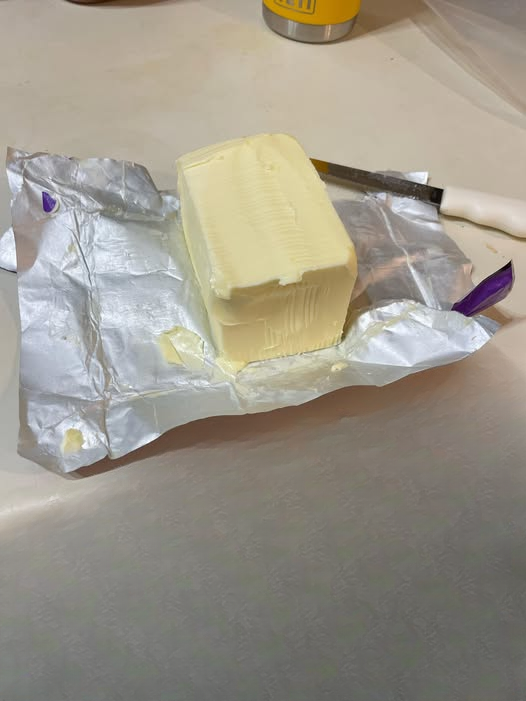
Butter—it’s creamy, flavorful, and a kitchen staple that’s been used for centuries in countless recipes. From spreading it on toast to incorporating it into the heart of baked goods, butter is a kitchen essential that enhances the taste of so many dishes. But there’s one question that seems to linger every time you reach for the butter: is it safe to leave butter on the counter? The answer, surprisingly, is yes—under certain conditions. However, the nuances of butter storage can vary depending on its composition, your kitchen environment, and proper storage practices.
So, let’s dive into the details. Butter is generally safe to leave at room temperature, but there are some important guidelines to follow to ensure it stays fresh, safe, and delicious.
What Makes Butter Safe to Leave on the Counter?
Before we address the key factors of butter storage, it’s important to understand why butter is safe at room temperature in the first place.
Butter’s Composition: Low Moisture, High Fat
Butter is primarily made from cream (milk fat) with very little water content. This low moisture level is what gives butter its long shelf life, even at room temperature. Most bacteria require moisture to thrive and multiply, so the minimal water content in butter makes it much less likely to harbor harmful bacteria. This is in contrast to products like milk or cream, which contain more water and are more prone to spoilage when not refrigerated.
While butter does contain a small amount of water, it’s relatively stable when stored in a dry environment, making it safe to leave out for short periods—especially if the room temperature is moderate.

How Long Does Butter Last on the Counter?
The amount of time butter can safely stay out on the counter depends on several factors, such as the temperature of the room, the type of butter, and how it is stored. Let’s break it down:
Ideal Room Temperature
The general rule of thumb is that butter can be kept at room temperature if the kitchen temperature is below 70°F (21°C). This temperature range helps ensure that the butter remains solid and does not become a breeding ground for bacteria. However, if your kitchen gets warmer—especially during summer months—it’s better to keep the butter in the fridge to prevent it from going bad too quickly.
How Long Can Butter Sit Out?
Up to a Week: At temperatures around 68°F (20°C) or below, you can safely leave butter out for about a week. This period allows you to have softened butter ready for easy spreading without sacrificing safety.
A Few Days in Warmer Temperatures: If your kitchen tends to be warmer—say between 70°F and 75°F—then butter may only stay out for a few days. The hotter it gets, the quicker the butter will soften and may begin to spoil.
In general, unsalted butter has a slightly shorter shelf life than salted butter because the salt acts as a preservative. If you’re unsure, it’s always better to keep a smaller amount of butter at room temperature and refrigerate the rest to maintain its quality over a longer period.
Can Butter Go Bad on the Counter?
Yes, butter can spoil if it’s left out for too long, especially if exposed to heat, sunlight, or moisture. That’s why following proper storage guidelines is essential to keep your butter fresh and safe.
Best Practices for Storing Butter on the Counter
So, how do you store butter properly on the counter? There are a few simple storage solutions that will keep your butter safe, fresh, and ready for use.
1. Use a Butter Dish with a Lid
A butter dish is one of the easiest and most effective ways to store butter at room temperature. Look for one with a cover or lid to keep the butter sealed and protected from contaminants such as dust or insects. This will also prevent the butter from absorbing any unwanted odors from the air or your kitchen.
2. Store in a Cool, Dry Place
Choose a cool, dry location in your kitchen to store the butter. Ideally, the place should be away from direct sunlight, heat sources like stoves or windows, and any high-traffic areas where the butter might get knocked over or contaminated. Storing the butter in a drawer or a cupboard is often a good choice.
3. Invest in a Butter Bell or Butter Crock
If you want a more traditional option, a butter bell or butter crock could be the perfect solution. These containers use water to create an airtight seal around the butter, which prevents the butter from drying out and keeps it fresh longer. The water also acts as a barrier to outside odors, ensuring the butter retains its flavor.
To use a butter bell, simply fill the bottom part with water and place the softened butter in the top portion. The water seals the butter and keeps it at a safe, spreadable consistency while ensuring it remains fresh.
Signs That Butter Has Gone Bad
Although butter is more stable than many other dairy products, it’s still important to recognize the signs that it may have spoiled. Here are a few things to look out for:
1. Off or Rancid Odor
Fresh butter should have a mild, creamy smell. If you notice any sour, rancid, or “off” smells, this is a clear sign that the butter has gone bad. Rancidity occurs when fats in the butter oxidize and break down, leading to an unpleasant odor. If your butter smells off, it’s best to toss it.
2. Off Taste
A small taste test will help you determine whether your butter is still good to use. If it tastes sour, bitter, or “off” in any way, it’s time to throw it out. Fresh butter should have a smooth, slightly sweet flavor that complements your dishes.
3. Visible Mold or Discoloration
If you notice any green, blue, or black spots on the surface of the butter, it’s a sign of mold. Similarly, if you notice discoloration—such as a yellow or grayish hue—this could indicate that the butter is starting to spoil. Moldy or discolored butter should be discarded immediately.
4. Changes in Texture
While butter can naturally soften at room temperature, any significant changes in texture—such as separation or curdling—could indicate spoilage. If your butter becomes oily or separated into solids and liquids, it’s no longer safe to eat.
Speeding Up the Softening of Cold Butter
Sometimes you just can’t wait for butter to soften at room temperature. If you’re in a rush and need to soften cold butter quickly, here are some easy methods to speed up the process.
1. Microwave Method
Cut your cold butter into smaller pieces and place them on a microwave-safe plate. Set the microwave to low power and microwave in short intervals, checking after every 5-10 seconds. This allows the butter to soften without completely melting. Be careful not to overheat it, as the butter could end up melted instead of softened.
2. Grating Method
If you don’t have time for the microwave, you can also grate your cold butter using a box grater. The small shreds of butter will soften much more quickly at room temperature because they have a greater surface area exposed to the air.
Butter Storage and Usage Tips: The Do’s and Don’ts
To ensure that your butter stays fresh and safe for as long as possible, here are some key do’s and don’ts for butter storage.
Do’s:
Do use a butter dish with a lid or cover to protect the butter from contaminants.
Do store butter in a cool, dry place—avoid areas near heat sources.
Do keep salted butter at room temperature since the salt helps to preserve it for longer periods.
Do use a butter bell or crock if you prefer a more traditional method of storage.
Do consider storing a small amount of butter out on the counter and keep the rest refrigerated to extend freshness.
Don’ts:
Don’t store butter near direct sunlight or heat sources like the stove, microwave, or windows.
Don’t store butter in the fridge for too long if you want it to stay spreadable. Cold butter straight from the fridge can be hard to spread.
Don’t use a dirty utensil to scoop butter, as contaminants can cause spoilage.
Don’t ignore signs of spoilage—if your butter smells off, tastes sour, or has mold, it’s time to throw it away.
The Bottom Line: Is Leaving Butter on the Counter Safe?
The answer is yes—leaving butter on the counter can be safe, as long as it’s stored properly. The key to safe butter storage is keeping it in a cool, dry place, using appropriate storage containers, and ensuring that it doesn’t get exposed to heat or moisture.
By following a few simple guidelines, you can enjoy softened butter that’s perfect for spreading, cooking, and baking—without the worry of spoilage. Just be sure to monitor your butter for any signs of spoilage, and when in doubt, don’t hesitate to toss it. Butter is a beloved kitchen staple, and with proper care, it can remain a fresh and tasty addition to your meals for days or even weeks.
Enjoy your butter, whether it’s sitting pretty on the counter or carefully stashed in the fridge—knowing you’ve kept it safe and delicious!