The Unseen Hitchhikers: Why Your Pant Legs Are Covered in Tiny Seeds
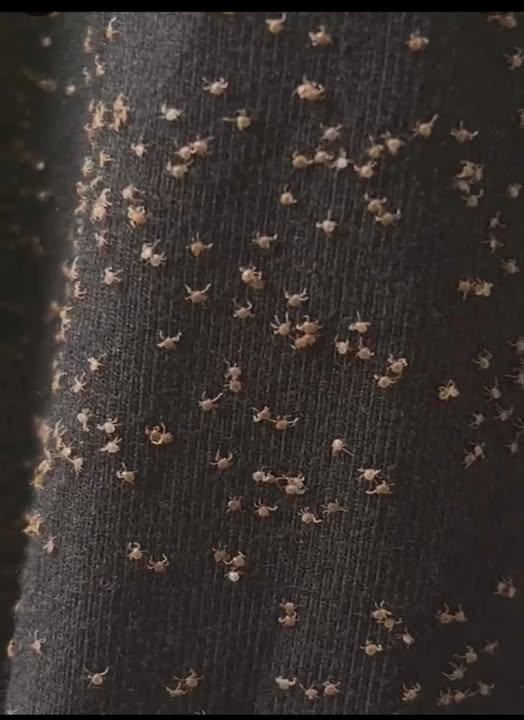
A peaceful stroll through a park, meadow, or wooded trail often ends with a puzzling discovery: dozens of tiny, clinging bits speckled across your pant legs. While it might seem like a minor nuisance, this sudden appearance is actually a sophisticated biological maneuver known as zoochory. Many plants have evolved to bypass traditional dispersal methods like wind or water, instead turning humans and animals into unwitting vehicles for their offspring. By attaching themselves to your clothing, these seeds ensure they are transported far away from the parent plant, seeking out new territory where they can take root without competing for local resources.
The reason these “hitchhikers” are so difficult to shake off lies in their remarkable microscopic architecture. Most of these seeds, commonly called burrs or stickseeds, are equipped with tiny hooks, barbs, or stiff hairs that act exactly like a mechanical fastener. In fact, this natural design was the direct inspiration for the invention of Velcro. Whether through hook-and-loop mechanisms or subtle stickiness, these features are engineered to snag fabric fibers or animal fur with enough tension to remain attached for miles, ensuring the seed is only deposited once it is physically brushed or picked off.
From an evolutionary standpoint, this strategy is a brilliant solution to the problem of overcrowding. If every seed fell directly beneath the parent plant, the resulting seedlings would struggle for sunlight, water, and soil nutrients. By “hitchhiking” on your hiking gear, these plants achieve a much wider distribution, increasing the probability that at least some seeds will land in a fertile, unoccupied environment. This quiet, persistent movement is what allows certain species to thrive along trail edges and wooded boundaries, where foot traffic is most frequent.
Managing these stubborn guests requires a few simple tools to avoid damaging your clothing or spreading the seeds indoors. It is highly recommended to perform a “seed sweep” before entering your home to prevent the plants from colonizing your yard or carpet. Using a lint roller, adhesive tape, or even a fine-toothed comb can quickly strip the seeds from most fabrics. For pet owners, checking fur after a walk is essential, as these seeds can cause skin irritation or become painfully tangled. Ultimately, those tiny bits on your pants are a testament to nature’s ingenuity—a reminder that even a simple walk makes you a participant in the forest’s ancient cycle of growth.