What Happens to Your Body When You Eat Beetroot Regularly? The Results May Surprise You
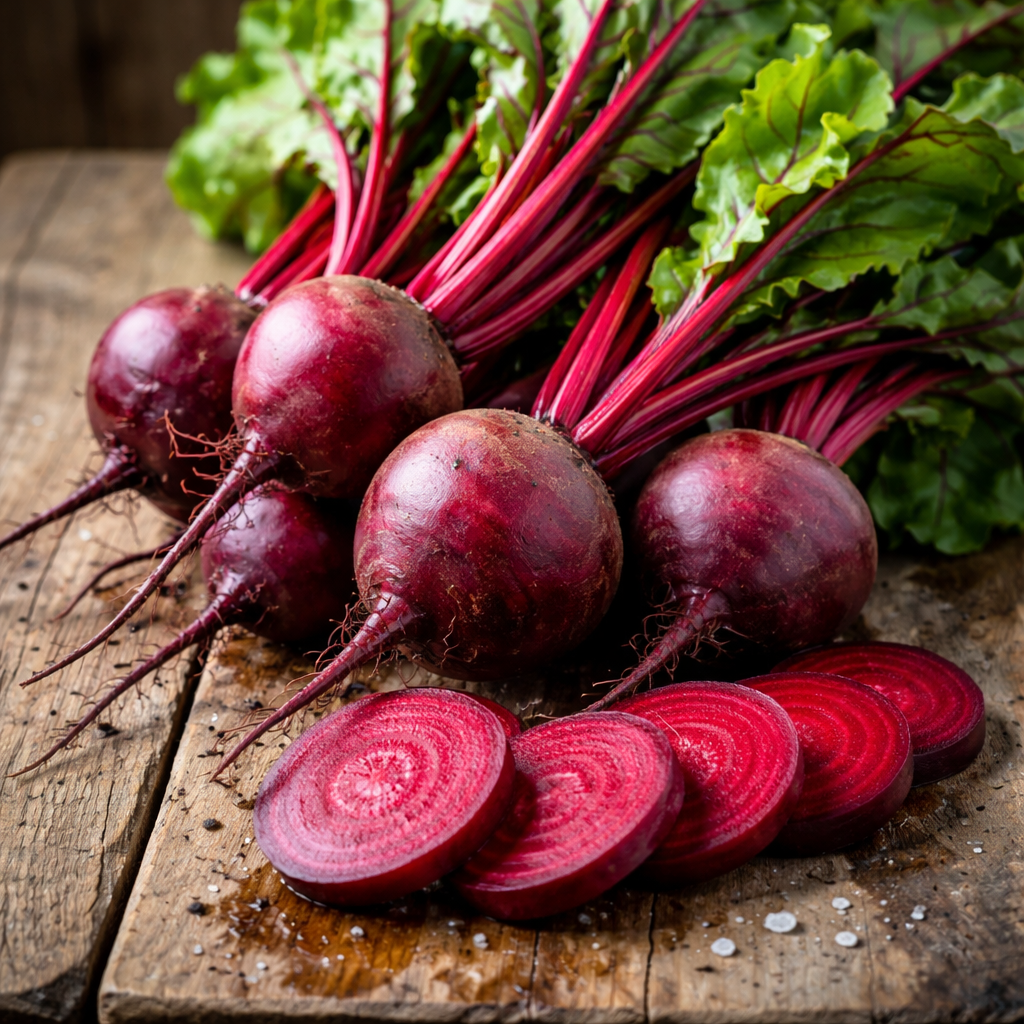
Beetroot is one of the most nutrient-dense vegetables you can add to your diet. Known for its vibrant red color and earthy flavor, this root vegetable has been valued for centuries for its health benefits. Modern research now confirms that beetroot contains powerful compounds that support heart health, boost stamina, improve digestion, and protect the body from inflammation.
So what exactly happens to your body when you eat beetroot regularly? Here’s a closer look at how this remarkable vegetable affects your health.
1. Your Blood Pressure May Drop
One of the most well-known benefits of beetroot is its ability to help lower blood pressure. Beetroot is rich in natural compounds called dietary nitrates. When you consume them, your body converts these nitrates into nitric oxide.
Nitric oxide helps relax and widen blood vessels, which improves blood flow and reduces pressure on the arteries. Several studies have shown that drinking beetroot juice or eating cooked beets can lead to noticeable reductions in blood pressure within just a few hours.
Because of this effect, beetroot is often recommended as part of a heart-healthy diet.

2. Your Heart Health Improves
Beyond lowering blood pressure, beetroot supports overall cardiovascular health in several ways.
It contains potassium, folate, and antioxidants, all of which are essential for maintaining a healthy heart. Folate helps reduce levels of homocysteine, an amino acid linked to an increased risk of heart disease. Meanwhile, antioxidants in beetroot help prevent oxidative stress, which can damage blood vessels.
Regular consumption of beetroot may help reduce the risk of heart disease and stroke by improving circulation and supporting vascular health.
3. Your Exercise Performance Gets a Boost
Athletes and fitness enthusiasts often consume beetroot juice before workouts—and for good reason.
The nitrates in beetroot improve oxygen delivery to muscles and enhance the efficiency of mitochondria, the structures in cells that produce energy. As a result, your muscles can work harder and longer with less fatigue.
Research suggests that consuming beetroot before exercise may improve endurance, increase stamina, and enhance athletic performance. Even people who are not professional athletes may notice they feel more energetic during physical activity.
4. Your Brain May Function Better
Healthy blood flow is essential for brain function, and beetroot can help support it.
Because nitric oxide improves circulation, it may increase blood flow to the brain—especially to areas responsible for decision-making, memory, and cognitive processing. This improved circulation may help maintain brain health as people age.
Some studies suggest that diets rich in nitrates, including beetroot, could help slow age-related cognitive decline and support better mental performance.
5. Your Digestive System Works More Efficiently
Beetroot is also beneficial for digestion thanks to its high fiber content.
Dietary fiber plays a key role in maintaining a healthy digestive system. It helps food move smoothly through the intestines, prevents constipation, and supports beneficial gut bacteria.
A healthy gut microbiome is linked to stronger immunity, improved metabolism, and reduced inflammation throughout the body.
Adding beetroot to your meals can therefore help promote better digestive health over time.
6. Your Body Fights Inflammation
Beetroot contains unique plant compounds called betalains, which are responsible for its deep red color. These compounds have powerful anti-inflammatory and antioxidant properties.
Chronic inflammation is associated with many diseases, including heart disease, diabetes, and certain cancers. The antioxidants in beetroot help neutralize harmful free radicals and reduce inflammation in the body.
By protecting cells from oxidative stress, beetroot contributes to overall long-term health.
7. Your Liver Gets Support
The liver plays a vital role in detoxifying the body, and beetroot may help support this process.
Compounds in beetroot assist the liver in breaking down toxins and reducing fat accumulation in liver cells. Some studies suggest that beetroot may help protect the liver from oxidative damage and support its natural detoxification functions.
While beetroot is not a miracle cure, it can be a helpful addition to a balanced diet that supports liver health.
8. You May Notice a Harmless Change in Urine Color
One surprising effect of eating beetroot is that your urine or stool may turn pink or red. This condition is called beeturia.
Although it can be alarming at first, beeturia is completely harmless and simply results from the pigments in beetroot passing through the digestive system.
Not everyone experiences this effect, and it does not indicate any health problem.
The Bottom Line
Beetroot is far more than just a colorful vegetable. Thanks to its rich supply of nitrates, antioxidants, fiber, and essential nutrients, it offers a wide range of health benefits.
Regularly eating beetroot may help:
Lower blood pressure
Support heart health
Improve exercise performance
Boost brain function
Aid digestion
Reduce inflammation
Support liver health
Whether roasted, juiced, or added to salads and smoothies, beetroot is a simple and nutritious way to support your overall well-being.
Including this vibrant root vegetable in your diet a few times a week can be a small change with meaningful health benefits.
Disclaimer: This article was created with AI assistance and edited by a human for accuracy and clarity.
Disclaimer: This information is not intended to be a substitute for professional medical advice, diagnosis or treatment and is for information only. Always seek the advice of your physician or another qualified health provider with any questions about your medical condition and/or current medication. Do not disregard professional medical advice or delay seeking advice or treatment because of something you have read here.