What Lies Beneath the Surface Will Blow Your Mind!
There is something magical about being by the lake, a fishing rod in your hand, as the morning mist lifts and the first rays of sunlight sparkle off the water. If you grew up near a lake or spent summers there, you likely have fond memories of the stillness that comes with those early mornings. The peacefulness, broken only by the occasional splash of a fish breaking the surface, or the distant humming of a boat motor as it gently cuts through the quiet water.
However, what you may not have realized back then as you waited for that tell-tale tug on your line is the fascinating ecosystem happening beneath the surface. In the shallows, tiny baby fish dart through submerged logs, tangled roots, and reeds, finding protection from larger predators that lurk in the deeper waters. Little did you know, these fish were using the same kind of cover that fishermen had come to understand was essential for survival.
But it wasn’t always this way. The concept of artificial fish shelters—often referred to as fish cribs—didn’t emerge out of thin air. In fact, these ingenious structures have a history that dates back to the mid-20th century and are directly tied to the evolution of fishing practices.
The Birth of the Fish Crib
In the 1950s, a growing understanding of fish ecology prompted anglers and fisheries experts to start creating artificial fish habitats. With the rise of recreational fishing and the increasing popularity of lake-side vacations, people began realizing that fish populations in certain areas were being overfished, and the natural habitats that once supported young fish had diminished.
That’s when the humble fish crib was born.

At its core, a fish crib is a structure designed to mimic the natural hiding places of fish. A simple concept that has had a profound impact on fish populations, and in turn, the fishing community. Fishermen were looking for ways to help young fish (or fry) thrive and grow, especially in places where traditional habitats had either been destroyed or were no longer accessible due to pollution, shoreline development, or other environmental changes.
The basic idea behind a fish crib is straightforward: create a sheltered space where young fish can take refuge from predators. These shelters often consist of a combination of materials like rocks, logs, branches, and other submerged debris that provide the perfect hiding spots.
A Fort Beneath the Surface
The early fish cribs were far from sophisticated—think of them as the aquatic version of a child’s homemade pillow fort. Fishermen would simply gather up some logs, rocks, or any available debris, and arrange them in a way that created shelter for fish. The idea was simple, but effective: a structure made of wood and stone that could offer shelter from predators while encouraging the development of algae, insects, and other food sources that young fish feed on.
This early trial-and-error approach was enough to demonstrate how effective these structures could be. It didn’t take long for fishermen to realize that the small ecosystems they created not only protected the young fish but also helped establish a food chain that allowed fish to grow and thrive.
In these artificial cribs, fish could grow strong and be less vulnerable to predators, increasing their chances of surviving to adulthood. It wasn’t just about creating a safe zone for fish—it was also about enhancing the overall health of the ecosystem. The more fish survived, the more fish there were to catch. In essence, the fish crib became an integral part of an evolving fishing culture that embraced sustainability and respect for the environment.
Fishing Culture and Family Tradition
For many, fishing is not merely a hobby—it’s a way of life. After World War II, fishing became even more ingrained in American culture. Rural families spent weekends at lakes, creating memories, bonding over a shared love of nature and the thrill of the catch. As more people flocked to the lakes, fishing wasn’t just something you did on a lazy Saturday afternoon—it became an enduring tradition passed down through generations.
The fish crib became intertwined with this fishing culture. It wasn’t just a tool for improving fishing success; it became part of the story—an integral piece of the experience that generations of anglers shared. For fathers and sons, teaching each other how to set up and maintain fish cribs was as much about passing on knowledge and wisdom as it was about providing a helpful fishing aid.
As the demand for fishing continued to rise, fish cribs became a staple of the angler’s toolkit. By constructing these habitats in strategic locations, experienced fishermen could increase their chances of catching bass, walleye, or other prized fish. It was a way of ensuring that fish populations remained sustainable while keeping the tradition of fishing alive and well.
A Community Effort in Conservation
While many anglers made use of fish cribs, they were also keenly aware that the best fishing results came not just from individual efforts but from collective actions. Over the years, fish cribs evolved from personal projects into larger community undertakings. In some places, neighbors and local fishing groups would gather together to build these underwater shelters, preparing them for winter and then sinking them into their favorite fishing holes as soon as the ice melted.
This DIY approach fostered a sense of camaraderie and shared purpose. Everyone had a vested interest in the success of the fish crib—after all, if a fish crib was well-constructed and positioned, it would enhance fishing opportunities for everyone in the community. By working together, these anglers turned everyday fishing spots into dynamic ecosystems, where fish of all sizes could flourish and thrive.
The sense of community around fish cribs became an unwritten social contract: the people who had put in the time and effort to create the cribs would keep returning to those spots year after year. And in return, the fish cribs would provide a reliable source of fish, making every visit to the lake more rewarding.
More Than a Fishing Aid: The Conservation Legacy
As time went on, fish cribs took on a greater significance in the world of conservation. Rather than relying on expensive, high-tech solutions or interventions, anglers and conservationists began turning to low-tech, low-cost methods like fish cribs to help preserve local fish populations and restore healthy ecosystems. These cribs were a direct response to the environmental challenges faced by lakes and reservoirs: pollution, habitat loss, and overfishing. They served as a grassroots effort to combat these issues and promote sustainability.
Fish cribs became symbols of conservation done right—simple, effective, and rooted in community action. They demonstrated how small, thoughtful interventions could make a big difference in maintaining the balance of nature. Instead of turning to more invasive methods or expensive technologies, the fishing community was able to use their knowledge of the natural world to create something that worked in harmony with the environment.
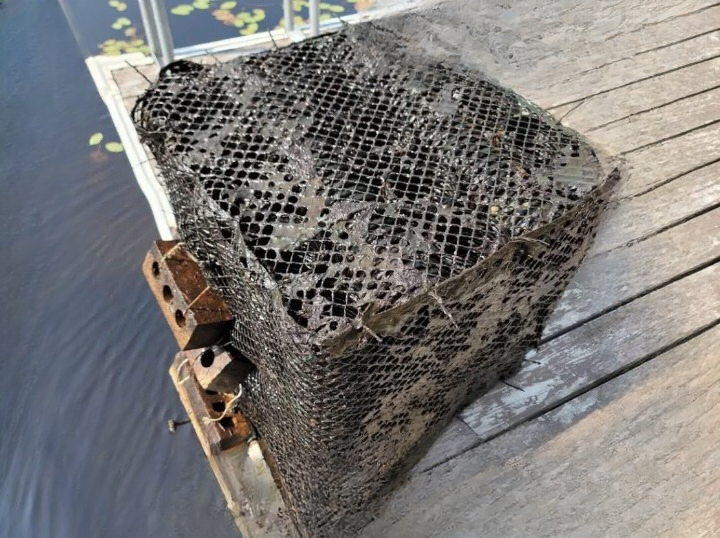
Today, the legacy of the fish crib continues to live on, with modern versions being made from more durable materials, such as PVC pipes or mesh, ensuring they last longer and are more eco-friendly. However, the purpose remains the same: provide shelter, promote healthy fish populations, and contribute to a sustainable fishing culture.
A Legacy Beneath the Water
Fish cribs continue to be used in ponds, lakes, and rivers across the world, providing both protection and nourishment for young fish. They’ve become an essential part of the ecosystem, supporting biodiversity and giving new life to bodies of water that might otherwise be struggling with low fish populations. These structures provide a hidden sanctuary for fish, where they can grow and mature without the constant threat of predators or environmental harm.
As you sit by the water, casting your line and waiting for a bite, take a moment to reflect on what lies beneath the surface. That underwater real estate—those fish cribs—are doing hard work. They’re not just a fishing tool; they’re the result of years of tradition, innovation, and care for the environment. They’re helping young fish grow strong and creating a sustainable space for future generations of anglers.
The next time you drop your line into the water, think about the invisible structures beneath the surface that make the fishing experience possible. Those cribs are more than just tools for catching fish; they’re the silent guardians of the ecosystem, ensuring that the delicate balance of nature is maintained and that fishing traditions continue to thrive.
So, as you cast your line and wait for the tug on your rod, remember that those fish cribs are working just as hard as you are, ensuring that the traditions of fishing—and the natural world—remain alive and well for generations to come.