Clove Water Sitz Baths for Women: A Gentle Guide to Hygiene, Comfort, and Honoring Your Body’s Wisdom
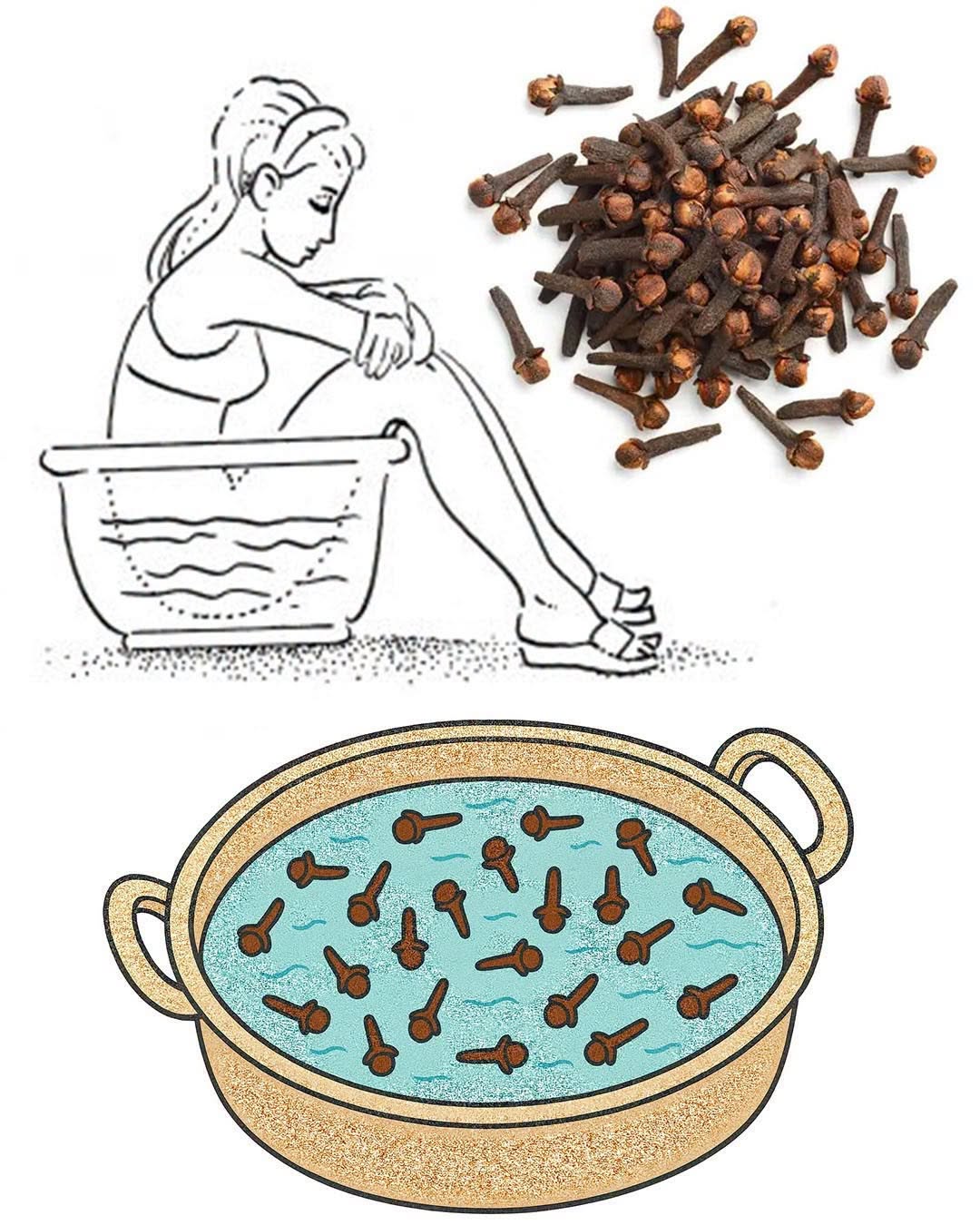
For hundreds of years, cloves have been treasured in traditional medicine and in the warm, fragrant kitchens of our grandmothers. But when it comes to intimate care, strength and gentleness must go hand in hand.
Let me tell you about the first time I heard about using herbs for a sitz bath.
I was sitting in my grandmother’s kitchen, listening to her talk about the old remedies her mother used to use. She spoke about soaking in warm water infused with herbs to soothe discomfort, reduce inflammation, and support recovery after childbirth.
She was careful to warn me, though. “These remedies are powerful,” she said. “But they can also be powerful against you if you’re not careful.”
She was right. The body’s delicate tissues require respect. What works on the outside—on your hands or feet—can be far too strong for areas that are more sensitive.
Now, I’m sharing what I’ve learned about clove water sitz baths: what they might offer, the potential risks, and how to approach intimate care with safety, wisdom, and confidence.

What Is a Sitz Bath?
A sitz bath is a warm water soak that covers your hips and buttocks. It’s a simple, effective way to:
Soothe mild discomfort in the pelvic area
Support postpartum recovery
Promote perineal healing
Refresh and cleanse gently
Alleviate mild itching or burning
Support overall pelvic health
Sitz baths have been used for centuries across many cultures, often with the addition of herbs or salts to enhance their therapeutic effects.
The Potential Benefits of Clove Water Sitz Baths
Cloves are rich in eugenol, a compound with antimicrobial, antifungal, and antioxidant properties. This has led some to explore clove-infused water as a soothing addition to sitz baths.
Potential benefits include:
Antimicrobial support: Cloves have been shown to inhibit the growth of certain bacteria and fungi.
Anti-inflammatory effects: Eugenol may help reduce mild inflammation.
Soothing sensation: For some, the warm, fragrant water can be deeply calming.
Traditional use: Many cultural traditions have used cloves as part of postpartum or recovery practices.
However, the research on clove water specifically for sitz baths is limited. Most studies focus on clove oil or extracts in controlled settings—not on soaking in dilute clove water.
The Important Caution: Genital Tissues Are Highly Sensitive
While gentle herbal soaks can feel incredibly comforting, strong spices like cloves must be used with extreme care—and in many cases, avoided altogether.
Here’s why:
The tissues of the vulva and vagina are highly vascular and sensitive.
Clove oil is a known irritant when applied directly to sensitive skin.
Even highly diluted clove water can cause burning, stinging, or irritation if the concentration is too high.
Allergic reactions are possible, especially in people sensitive to spices or essential oils.
The key: If you choose to explore a clove water sitz bath, it must be extremely diluted—and even then, not everyone will tolerate it well.
How to Prepare a Clove Water Sitz Bath Safely
If you’re curious about trying a clove water sitz bath, proceed with extreme caution and follow these guidelines.
The “Extremely Diluted” Method
You’ll need:
A clean sitz bath basin or your bathtub
Warm (not hot) water (about 4-6 inches deep)
2-3 whole cloves (or a small pinch of ground clove)