Due to a clerical error, this man’s life took an unexpected turn.
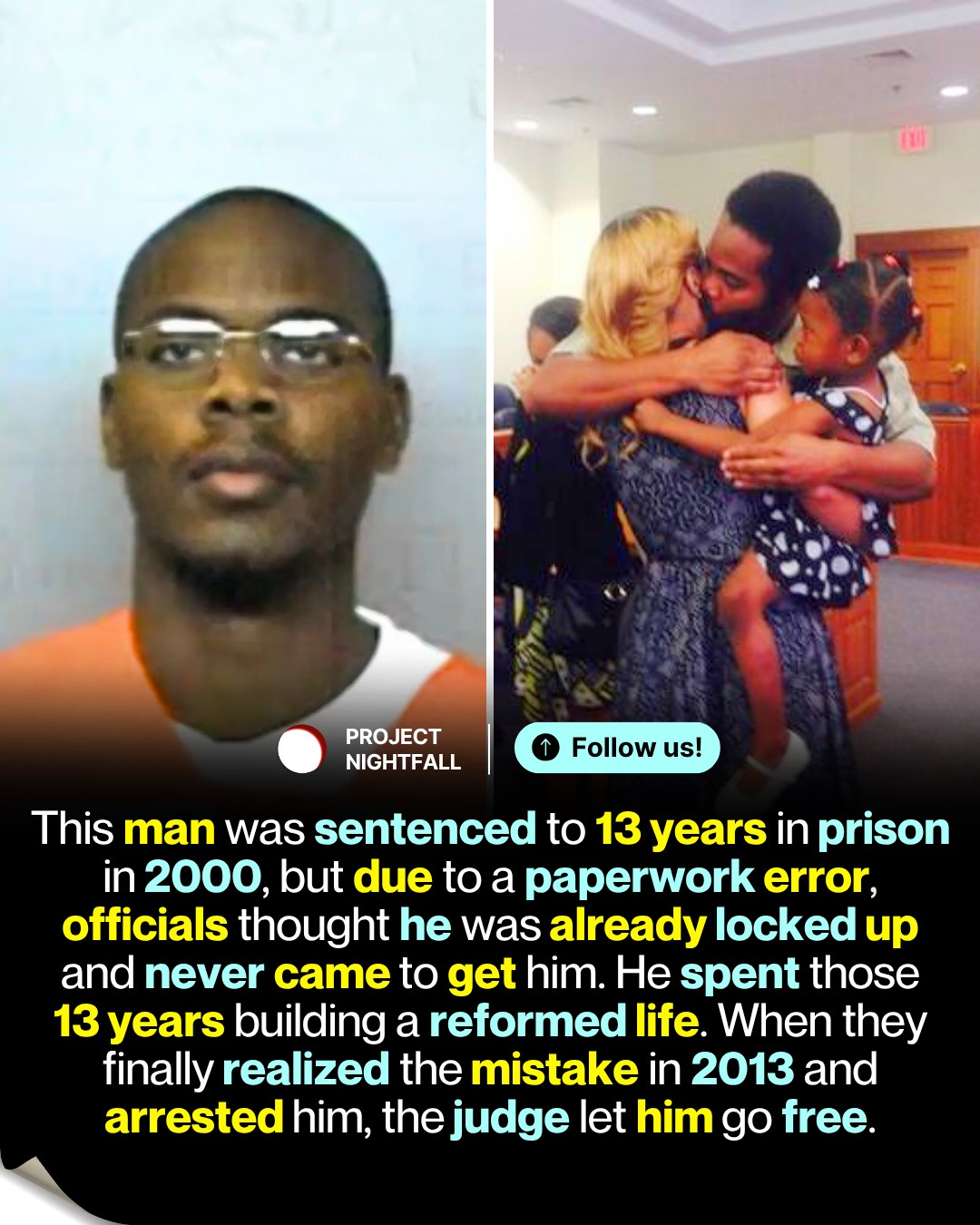
Due to a clerical error, this man’s life took an unexpected turn.
In 2000, Cornealious “Mike” Anderson was convicted of armed robbery and sentenced to 13 years in prison. But when his appeals ran out and he was supposed to report to prison, the call never came. Due to a clerical error, officials thought he was already locked up.
So Anderson did what anyone trying to move forward would do, he built a life. He got married, raised four children, started a construction business, coached his son’s football team, and volunteered at his church. He paid his taxes, renewed his driver’s license, and never tried to hide. For 13 years, he lived as a law-abiding citizen.
Then in 2013, when his original sentence would have ended, corrections officials discovered the mistake. A SWAT team showed up at his door while he was making breakfast for his 3-year-old daughter, and they arrested him.
Anderson fought for his release, and in 2014, a judge set him free. The judge credited him for the 13 years he spent living a reformed life—essentially ruling that Anderson had already served his time by becoming the person prison is supposed to create.
“You’ve been a good father. You’ve been a good husband. You’ve been a good taxpaying citizen,” the judge said. “That leads me to believe that you are a good man and a changed man.”
The case raised questions about how the justice system handles its own errors, and what rehabilitation really means.