Here is the step-by-step breakdown of what happens to your body after you eat a banana.
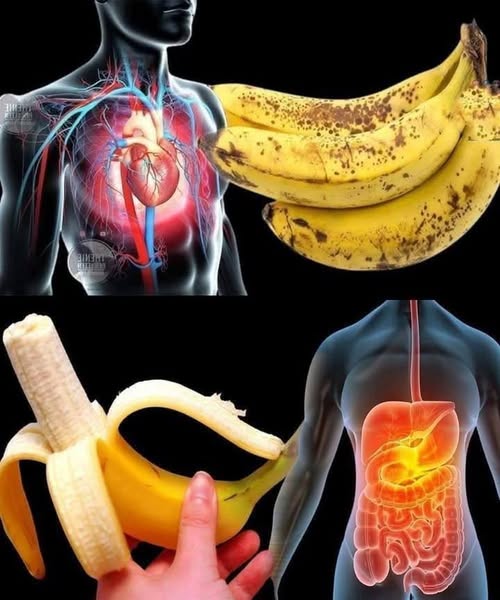
0–30 Minutes: The Energy Ignition
The moment you finish that last bite, your digestive enzymes go to work on the three types of natural sugars: sucrose, fructose, and glucose. * The “Shock”: Unlike a candy bar, the fiber in the banana slows down the absorption. You get a steady rise in blood sugar rather than a chaotic spike and crash.
The Result: You feel more alert and physically “ready” within minutes.
30–60 Minutes: The Muscle & Heart Reset
Once the banana reaches your small intestine, it releases a heavy dose of Potassium (roughly 422mg) and Magnesium into your bloodstream.
The “Shock”: This is where the magic happens for your heart. The potassium acts as a natural vasodilator, helping your blood vessels relax.
The Result: Your heart doesn’t have to pump as hard, and your muscles get the electrolytes they need to prevent cramping.
1–3 Hours: The “Feel Good” Phase
Bananas contain Tryptophan, an amino acid that the body converts into Serotonin—the brain’s “happy” neurotransmitter.
The “Shock”: Combined with Vitamin B6, this helps stabilize your mood and can even help you feel more relaxed or sleepy if eaten in the evening.
The Result: A subtle “lift” in mood and a reduction in stress levels.
4–12 Hours: The Gut Cleanup
As the fibers (pectin and resistant starch) move into the large intestine, they begin to ferment.
The “Shock”: This isn’t just waste; it’s fuel. These fibers act as prebiotics, feeding the healthy probiotics in your gut.
The Result: Improved digestion and a stronger immune system, as 70% of your immune system lives in your gut.
The Verdict: Is it Actually Shocking?
The only truly “shocking” thing about bananas is how such a common, affordable fruit can perform so many functions—from lowering blood pressure to boosting brain power—in a single serving.
Pro Tip: The riper the banana (more brown spots), the higher the antioxidant level and the easier it is to digest. If it’s slightly green, it contains more resistant starch, which is better for weight management and blood sugar control.