If You Have Lines on Your Nails, Here’s What Your Body Might Be Telling You
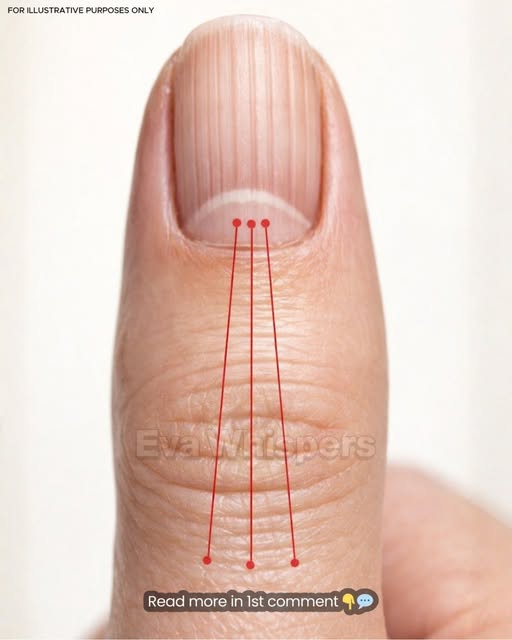
Have you ever looked closely at your fingernails and noticed thin lines running from the base of the nail to the tip? These lines are called nail ridges, and they are actually very common. In many cases, they are harmless and simply a natural part of the aging process. However, in some situations, they may reflect changes in your body or overall health.
Understanding what nail ridges mean can help you recognize when they are normal—and when they might be a sign to pay attention to your health.
What Are Nail Ridges?
Nail ridges are raised lines or grooves that appear on the surface of the nail plate. They usually run vertically (from the cuticle to the tip), but sometimes they can run horizontally across the nail.
The two main types include:
1. Vertical ridges (longitudinal ridges)
These are the most common and generally harmless. They appear as thin lines running from the base to the tip of the nail.

2. Horizontal ridges (Beau’s lines)
These run across the nail from side to side and may sometimes indicate health changes or stress affecting nail growth.
In the image above, the lines highlighted on the nail represent vertical ridges, which most people develop at some point in their lives.
The Most Common Reason: Natural Aging
The most frequent cause of nail ridges is simply aging.
Just like skin develops wrinkles over time, nails can develop ridges as we get older. As the body ages, nail cell turnover slows down, which can cause small irregularities in the nail surface.
You may also notice that aging nails can become:
Slightly thicker or thinner
More brittle
More prone to splitting
Less smooth than before
For many people, vertical ridges start appearing gradually after the age of 30 or 40 and become more noticeable over time.
Nutritional Factors
Sometimes nail ridges can be related to nutritional deficiencies, especially if they appear suddenly or are accompanied by brittle nails.
Certain nutrients play an important role in nail health:
Iron: Low iron levels may contribute to weak or irregular nail growth.
Biotin (Vitamin B7): Biotin supports keratin production, the protein that forms nails.
Vitamin B12: Deficiency can affect nail growth and color.
Magnesium: This mineral helps support protein synthesis, which is important for healthy nails.
If your diet lacks these nutrients, the nail plate may not form as smoothly, resulting in visible ridges.
Dehydration of the Nail
Nails can also develop ridges when they become dry or dehydrated.
Frequent exposure to:
Harsh soaps
Cleaning chemicals
Nail polish removers containing acetone
Excessive hand washing
can strip the nail of natural oils. This may make ridges appear more pronounced.
Keeping nails hydrated with cuticle oil or hand moisturizer may help improve their appearance.
Skin Conditions
Some skin disorders may also influence nail texture.
Conditions that sometimes affect nail structure include:
Eczema
Psoriasis
Lichen planus
These conditions can disrupt nail formation in the nail matrix (the tissue that produces new nail cells), which may lead to ridges, thickening, or changes in nail color.
If nail ridges appear alongside skin irritation, scaling, or nail deformities, it may be helpful to consult a dermatologist.
Stress or Illness (Horizontal Lines)
Horizontal ridges, also known as Beau’s lines, are different from vertical ridges.
They occur when nail growth temporarily slows or stops due to physical stress on the body. Possible causes include:
Severe illness or infection
High fever
Major surgery
Significant physical or emotional stress
Certain medications
Because nails grow slowly—about 3 millimeters per month—these lines can appear weeks after the triggering event.
Are Nail Ridges Usually Dangerous?
In most cases, vertical nail ridges are completely harmless and simply reflect normal nail aging.
However, you should consider speaking with a healthcare professional if you notice:
Deep or sudden horizontal ridges
Dramatic nail discoloration
Nail thickening or splitting
Ridges combined with fatigue or other symptoms
These signs may indicate an underlying health issue that deserves attention.
Tips for Healthier Nails
Although nail ridges are often natural, healthy habits can help maintain smoother and stronger nails.
1. Eat a balanced diet
Include foods rich in protein, iron, zinc, and B vitamins.
2. Keep nails moisturized
Use hand cream and cuticle oil regularly.
3. Avoid harsh chemicals
Wear gloves when cleaning or washing dishes.
4. Limit excessive nail buffing
Over-buffing can thin the nail plate.
5. Stay hydrated
Proper hydration supports overall skin and nail health.
The Bottom Line
Nail ridges are a common and usually harmless feature of natural nail growth. Vertical ridges often develop as part of the aging process, while horizontal ridges may sometimes reflect temporary stress or illness.
Your nails can act like a small window into your overall health. Paying attention to changes in their shape, texture, or color can sometimes provide useful clues about your body’s well-being.
If you’re ever unsure about changes in your nails, a healthcare professional can help determine whether they are simply cosmetic—or something worth investigating further.