If your doctor ordered a CT scan… READ MORE
1. What is a CT Scan?
Computed Tomography (CT) is one of the most commonly used diagnostic tools in modern medicine. Thanks to its ability to produce highly detailed images of the body’s interior, it plays a crucial role in detecting, assessing, and monitoring a wide range of health conditions. However, many people are still unsure about what this test actually involves and why doctors recommend it so often.
In simple terms, a CT scan is an imaging technique that uses X-rays combined with computer processing to create cross-sectional images of the body. Unlike standard X-rays, which produce flat images, CT scans provide views from multiple angles, offering much greater detail of organs, bones, blood vessels, and soft tissues.
2. How Does a CT Scan Work?
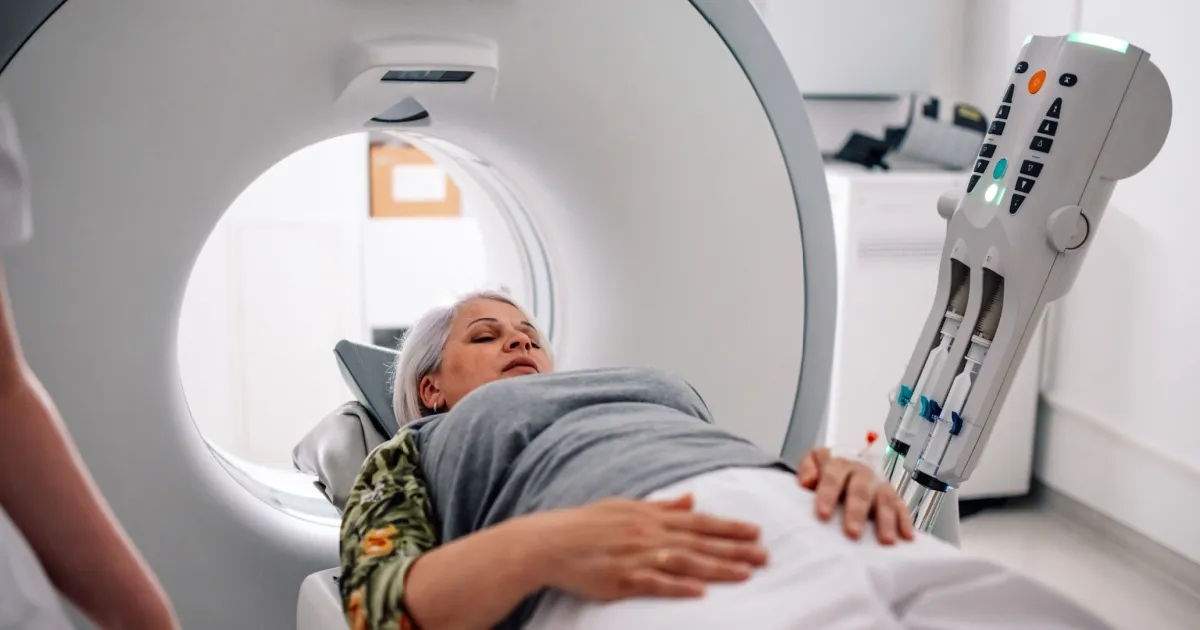
From the patient’s perspective, the process is straightforward. You lie on a table that slowly moves into a large, ring-shaped scanner.
As the machine rotates, it sends X-rays through the body from different directions. A computer then processes this data to create detailed “slice” images. These slices can be viewed individually or combined to form three-dimensional representations of internal structures.
3. Key Advantages of CT Scanning

One of the biggest advantages of CT scans is speed. Many scans are completed within minutes, making them extremely valuable in emergency situations.
For example, in cases of trauma or accidents, CT scans can quickly identify internal bleeding, organ damage, or other serious issues that require immediate treatment.
4. Why Do Doctors Order CT Scans?
Doctors request CT scans for many reasons, including:
Investigating persistent pain with no clear cause
Detecting and evaluating tumors
Diagnosing lung conditions such as infections or chronic diseases
Providing detailed insight when basic tests are inconclusive
5. Use in Brain Imaging
CT scans of the brain are essential for diagnosing conditions such as:
Stroke
Brain hemorrhage
Head injuries
Structural abnormalities
In these cases, rapid diagnosis can significantly impact treatment outcomes and survival.
6. Use in Abdominal and Pelvic Imaging
CT scans are also widely used to examine organs like:
Liver
Kidneys
Pancreas
Intestines
They help detect infections, stones, inflammation, and internal injuries. In some cases, a contrast agent is used to enhance image clarity and improve diagnostic accuracy.
7. Safety and Radiation Considerations
Although CT scans involve radiation, modern equipment is designed to minimize exposure while maintaining high-quality imaging.
Healthcare providers carefully evaluate each case to ensure that the benefits of the scan outweigh any potential risks.
8. Role in Monitoring Treatment
CT scans are not only used for diagnosis but also for ongoing monitoring. They help doctors:
Track disease progression
Evaluate treatment effectiveness
Observe changes in tumors or lesions
This makes CT an essential tool in long-term patient care.
9. Conclusion
A CT scan is far more than a simple imaging test. It is a powerful diagnostic tool that helps healthcare professionals make accurate decisions, detect problems early, and provide effective treatment.
Its combination of precision, speed, and versatility has made it a cornerstone of modern medicine.
Understanding how CT scans work and why they are used can also ease patient concerns, as they often provide both reassurance and the opportunity for timely medical intervention.