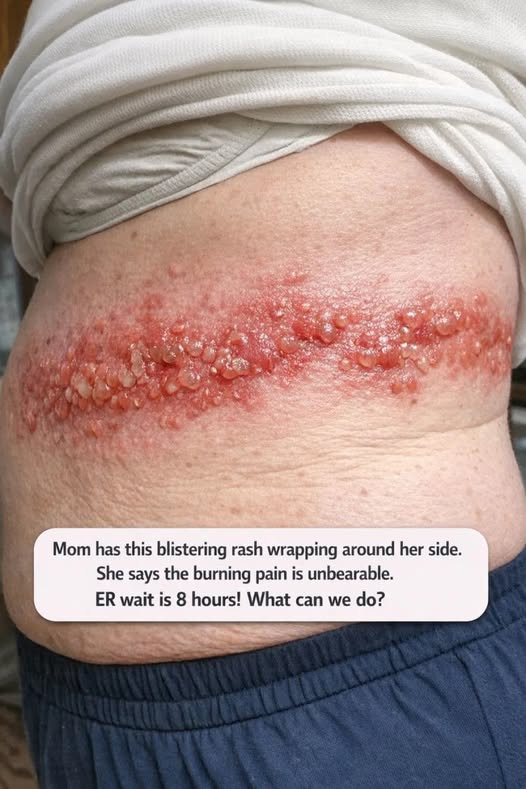
Mom has this blistering rash wrapping around her side. She says the burning pain is unbearable. ER wait is 8 hours! What can we do?
1. Recognizing Shingles and Why It Hurts
Shingles, medically known as Herpes zoster, is caused by the reactivation of the Varicella virus. After someone recovers from chickenpox, the virus remains inactive in the nervous system and can reactivate years later.
The condition typically appears as a painful rash with fluid-filled blisters on one side of the body, often wrapping around the torso.
The pain is intense because the virus affects the nerves directly. People often describe it as burning, stabbing, or electric-like. In some cases, the pain can continue even after the rash heals, a condition called Postherpetic neuralgia.
2. Red Flags That Require Immediate Emergency Care
Most shingles cases can be treated without emergency intervention. However, some symptoms signal serious complications:
Rash near the eyes or face
Difficulty breathing
Confusion or unusual drowsiness
Severe headache or dizziness
Weakness on one side of the body
These may indicate complications affecting the brain, lungs, or vision. In such situations, do not wait. Seek emergency care immediately.

People with weakened immune systems, such as those undergoing cancer treatment or living with chronic illness, are at higher risk and should be evaluated quickly.
3. Is Waiting at the ER Dangerous?
In many cases, waiting several hours is not dangerous, though it can be very uncomfortable. The key concerns are pain control and monitoring for complications.
If pain becomes unbearable or symptoms worsen, it is reasonable to request faster evaluation or consider alternative care options like urgent care clinics.
4. Over-the-Counter Pain Relief Options
While waiting for medical care, you can reduce discomfort with common medications:
Acetaminophen
Ibuprofen
These help reduce inflammation and ease pain. Always follow the recommended dosage and check for any existing health conditions or medication conflicts.
Topical options can also help:
Calamine lotion for itching
Lidocaine patches for localized pain relief
5. Cooling and Comfort Strategies
Simple physical measures can provide meaningful relief:
Apply a cool, damp cloth to the rash for 15 to 20 minutes
Repeat several times a day as needed
Wear loose, soft clothing to reduce friction
Use breathable fabrics like cotton
Keeping the skin cool and protected helps reduce irritation and burning sensations.
6. What Not to Do
Avoid actions that can worsen the condition:
Do not scratch or pick at blisters
Do not pop the blisters
Avoid alcohol-based or heavily fragranced products
Do not apply harsh soaps or chemicals
Damaging the skin increases the risk of infection and slows healing.
7. Is Shingles Contagious?
Shingles itself is not directly contagious. However, the virus can spread through contact with blister fluid and cause chickenpox in someone who has never had it.
Take precautions around:
Infants
Pregnant women
People with weakened immune systems
Keep the rash covered and wash hands frequently until the blisters crust over, usually within 7 to 10 days.
8. Faster Alternatives to the ER
If the emergency room wait is too long, consider:
Urgent care clinics
Telehealth consultations
Insurance nurse hotlines
Many providers can assess symptoms remotely and may prescribe treatment quickly.
9. Why Antiviral Treatment Matters
Prescription antiviral medications such as Acyclovir, Valacyclovir, or Famciclovir are most effective when started within 72 hours of the rash appearing.
These medications can:
Shorten the duration of the illness
Reduce pain severity
Lower the risk of long-term nerve damage
Even after 72 hours, treatment may still be beneficial in more severe cases.
10. Supporting Recovery at Home
Comfort and basic care can help the body heal:
Encourage rest in a quiet, comfortable space
Maintain good hydration with water or light fluids
Provide emotional reassurance to reduce stress
Recovery is not only physical. Emotional support plays an important role.
11. Preventing Future Shingles
Vaccination is the most effective way to prevent shingles and its complications.
The Shingrix vaccine is recommended for adults over 50 and offers strong protection against both shingles and long-term nerve pain.
For those who develop lasting pain, treatment options may include nerve medications or specialist care.