Remembering the Music Legend Who Left Us at Age 72
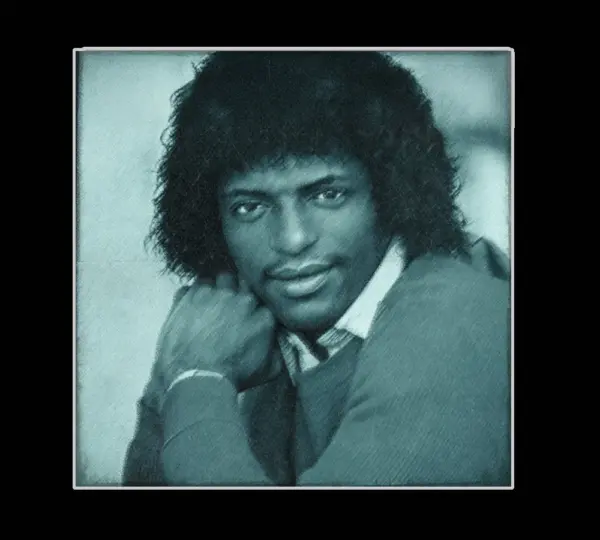
His passing on December 14, 2025 was confirmed by his son, Carlton Hudgens II, in a heartfelt message shared on social media, where he mourned his father’s “long hard fight in life” and expressed deep love and pride for the music legend.
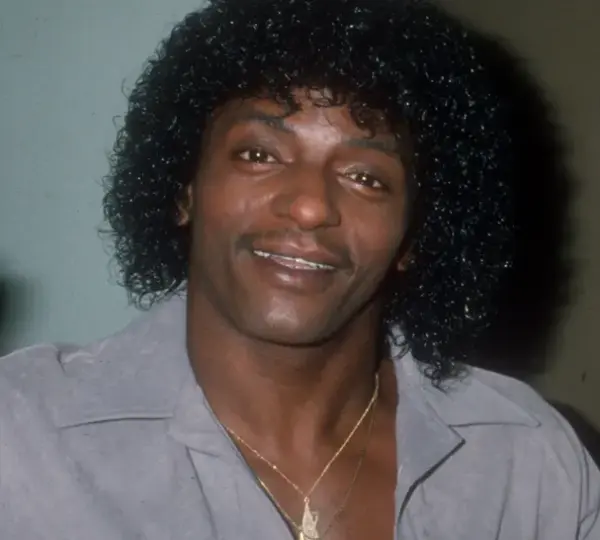
Carlton — born Carlton Hudgens in Detroit in 1953 — began a remarkable musical journey that would stretch over five decades and touch audiences around the world.
From his earliest recordings as a precocious youngster to his iconic hits that continue to echo on radio, streaming platforms, and in popular culture, he remained an artist whose talent was both soulful and versatile.
Early Life and Rise to Fame
Carlton’s musical gifts were evident from a very young age.
Growing up in Detroit — a city renowned for its vibrant musical culture and as the birthplace of Motown — he was immersed in the sounds of gospel, R&B, and soul that permeated his neighborhood.
Inspired by great vocalists and rooted in the traditions of church music, Carlton’s voice matured quickly, earning attention for its expressiveness, agility, and warmth.
As a pre‑teen, he began recording professionally under the name Little Carl Carlton, a moniker that paid homage to the youthful career launch strategy of artists like Stevie Wonder.
In the late 1960s, he released his earliest singles — including tracks such as “So What” and “Don’t You Need a Boy Like Me” — that gained modest regional attention in Detroit and became beloved later by collectors and DJs, especially in Europe’s Northern Soul scene.
In 1968, after attracting industry interest with his early work, Carlton signed with Back Beat Records and relocated to Houston, Texas to be closer to the label’s headquarters.
There he began working with seasoned producers and songwriters, gaining professional experience and honing his craft.
It was during this period that singles like “Competition Ain’t Nothin’” and “Drop by My Place” hinted at his future potential.
His first major breakthrough came in 1971 with the soul single “I Can Feel It,” which climbed the Billboard Soul Singles chart and introduced Carlton to a broader national audience.
Yet it would be just a few years before he reached international recognition.
Breakthrough with “Everlasting Love”
he defining moment in Carlton’s career arrived in 1974 with his cover of “Everlasting Love,” originally recorded by Robert Knight.
Carlton’s version — buoyed by lush production, sweeping strings, and his bright, dynamic vocal performance — resonated with audiences across genres.
The track soared to No. 6 on the Billboard Hot 100, remaining on the chart for 15 weeks and becoming one of the era’s most memorable pop‑soul hits.
Unlike many covers that fade into obscurity, Carlton’s “Everlasting Love” became the version that generations remembered best. Its enduring popularity has led to millions of streams decades later, and it remains a staple on classic R&B and soul playlists.
“She’s a Bad Mama Jama” and Cultural Impact
While “Everlasting Love” established Carlton’s name, it was 1981’s “She’s a Bad Mama Jama (She’s Built, She’s Stacked)” that further cemented his legacy in funk and R&B.
Written and produced by Leon Haywood, the song was an effervescent fusion of swagger, rhythm, and unapologetic celebration of confidence and style.
Its groove‑laden bassline and catchy hook made it an instant classic.
The single soared on the charts, peaking at No. 2 on Billboard’s R&B chart and crossing over into the pop Top 40.
Its parent album, Carl Carlton, became a gold‑certified release — a rare achievement that marked Carlton’s commercial peak.
“She’s a Bad Mama Jama” also earned him a Grammy nomination for Best R&B Vocal Performance, Male, recognizing both his vocal charisma and the cultural resonance of the song.
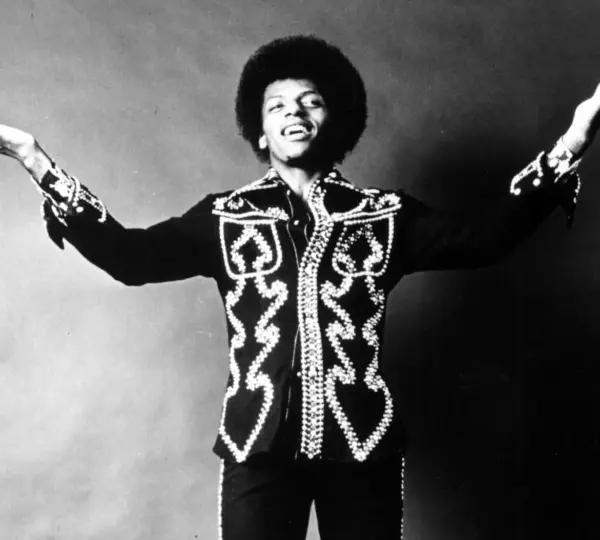
Beyond the charts, the song took on a life of its own. It found its way into film and television soundtracks, from Friends to Miss Congeniality 2, and became a favorite sample source for hip‑hop artists like Foxy Brown, Flo Milli, and others — a testament to its rhythmic durability and broad appeal across generations.
Musical Style and Influence
Carlton’s vocal style was frequently lauded for its flexibility and expressive range.
His bright tone and dynamic phrasing often drew comparisons to vocal greats such as Stevie Wonder, yet Carlton maintained a distinctive voice that was uniquely his own.
His ability to move effortlessly from romantic ballads to dance‑floor funk singles showcased both technical skill and emotional depth.
Across his long career, Carlton also explored other musical territories. In 1982, he followed up his funk success with a reggae‑inflected cover of the Four Tops’ “Baby I Need Your Loving,” demonstrating his versatility and willingness to reinterpret classics through his own lens.
Though his output slowed in the 1990s, Carlton continued performing live, touring across the United States and abroad, and appearing on iconic television programs like Soul Train, American Bandstand, and documentary specials such as American Soundtrack: Rhythm, Love, and Soul.
In 2010, he released God Is Good, a gospel album that marked a return to the spiritual roots of his youth — a musical homecoming that resonated deeply with fans familiar with both his secular and sacred work.
Later Years and Legacy
In 2019, Carlton suffered a stroke that significantly affected his health and limited his ability to perform.
While details about his final years are private, reports indicate he faced ongoing challenges related to this medical event. No official cause of death has yet been publicly disclosed.
Following news of his passing, tributes poured in from fans, fellow musicians, and the broader music community.
Funk group Con Funk Shun honored him as a “musical giant whose work lives on,” celebrating how his songs became woven into the soundtrack of countless lives.
Carlton’s influence is evident not only in his own chart achievements but in the way his songs transcended their original era.
“Everlasting Love” remains a beloved romantic anthem, while “She’s a Bad Mama Jama” continues to fill dance floors, playlists, and cultural memory with its irresistible groove.
His music has been rediscovered by younger generations through sampling, streaming, and classic hits programming, ensuring his sound remains timeless.
Personal Life and Remembering a Legend
Carl Carlton’s journey from a Detroit neighborhood to national stardom is a story of perseverance, ingenuity, and artistic devotion.
He navigated the challenges of the music industry with a voice that was both soulful and electrifying, winning listeners with sincerity and rhythm.
His family — including his son Carlton Hudgens II — survives him, carrying forward his legacy and the personal impact he had as a father and mentor.
Across social media and in fan communities, memories of Carlton’s music are shared with reverence and affection.
From those who grew up with “Everlasting Love” on AM radio to newer listeners discovering his work via streaming platforms, his songs have become part of life’s soundtracks — evoking love, joy, confidence, and unending groove.
A Lasting Groove
Carl Carlton’s passing marks the end of an era but also reminds us of how music can endure beyond the life of the artist.
His rich catalog — spanning soul, funk, and gospel — stands as a testament to his creative spirit and the joy he brought to audiences around the world.
As long as “Everlasting Love” continues to play and “She’s a Bad Mama Jama” brings listeners to their feet, Carlton’s legacy will keep resonating through the hearts and playlists of generations to come.
Rest in peace, Carl Carlton — your groove, your voice, and your songs will never fade.
American singer Carl Carlton, whose voice helped define the sound of 1970s and 1980s R&B, soul, and funk, has died at the age of 72.
His passing on December 14, 2025 was confirmed by his son, Carlton Hudgens II, in a heartfelt message shared on social media, where he mourned his father’s “long hard fight in life” and expressed deep love and pride for the music legend.
Carlton — born Carlton Hudgens in Detroit in 1953 — began a remarkable musical journey that would stretch over five decades and touch audiences around the world.
From his earliest recordings as a precocious youngster to his iconic hits that continue to echo on radio, streaming platforms, and in popular culture, he remained an artist whose talent was both soulful and versatile.
Early Life and Rise to Fame
Carlton’s musical gifts were evident from a very young age.
Growing up in Detroit — a city renowned for its vibrant musical culture and as the birthplace of Motown — he was immersed in the sounds of gospel, R&B, and soul that permeated his neighborhood.
Inspired by great vocalists and rooted in the traditions of church music, Carlton’s voice matured quickly, earning attention for its expressiveness, agility, and warmth.
As a pre‑teen, he began recording professionally under the name Little Carl Carlton, a moniker that paid homage to the youthful career launch strategy of artists like Stevie Wonder.
In the late 1960s, he released his earliest singles — including tracks such as “So What” and “Don’t You Need a Boy Like Me” — that gained modest regional attention in Detroit and became beloved later by collectors and DJs, especially in Europe’s Northern Soul scene.
In 1968, after attracting industry interest with his early work, Carlton signed with Back Beat Records and relocated to Houston, Texas to be closer to the label’s headquarters.
There he began working with seasoned producers and songwriters, gaining professional experience and honing his craft.
It was during this period that singles like “Competition Ain’t Nothin’” and “Drop by My Place” hinted at his future potential.
His first major breakthrough came in 1971 with the soul single “I Can Feel It,” which climbed the Billboard Soul Singles chart and introduced Carlton to a broader national audience.
Yet it would be just a few years before he reached international recognition.
Breakthrough with “Everlasting Love”
The defining moment in Carlton’s career arrived in 1974 with his cover of “Everlasting Love,” originally recorded by Robert Knight.
Carlton’s version — buoyed by lush production, sweeping strings, and his bright, dynamic vocal performance — resonated with audiences across genres.
The track soared to No. 6 on the Billboard Hot 100, remaining on the chart for 15 weeks and becoming one of the era’s most memorable pop‑soul hits.
Unlike many covers that fade into obscurity, Carlton’s “Everlasting Love” became the version that generations remembered best. Its enduring popularity has led to millions of streams decades later, and it remains a staple on classic R&B and soul playlists.
“She’s a Bad Mama Jama” and Cultural Impact
While “Everlasting Love” established Carlton’s name, it was 1981’s “She’s a Bad Mama Jama (She’s Built, She’s Stacked)” that further cemented his legacy in funk and R&B.
Written and produced by Leon Haywood, the song was an effervescent fusion of swagger, rhythm, and unapologetic celebration of confidence and style.
Its groove‑laden bassline and catchy hook made it an instant classic.
The single soared on the charts, peaking at No. 2 on Billboard’s R&B chart and crossing over into the pop Top 40.
Its parent album, Carl Carlton, became a gold‑certified release — a rare achievement that marked Carlton’s commercial peak.
“She’s a Bad Mama Jama” also earned him a Grammy nomination for Best R&B Vocal Performance, Male, recognizing both his vocal charisma and the cultural resonance of the song.
Beyond the charts, the song took on a life of its own. It found its way into film and television soundtracks, from Friends to Miss Congeniality 2, and became a favorite sample source for hip‑hop artists like Foxy Brown, Flo Milli, and others — a testament to its rhythmic durability and broad appeal across generations.
Musical Style and Influence
Carlton’s vocal style was frequently lauded for its flexibility and expressive range.
His bright tone and dynamic phrasing often drew comparisons to vocal greats such as Stevie Wonder, yet Carlton maintained a distinctive voice that was uniquely his own.
His ability to move effortlessly from romantic ballads to dance‑floor funk singles showcased both technical skill and emotional depth.
Across his long career, Carlton also explored other musical territories. In 1982, he followed up his funk success with a reggae‑inflected cover of the Four Tops’ “Baby I Need Your Loving,” demonstrating his versatility and willingness to reinterpret classics through his own lens.
Though his output slowed in the 1990s, Carlton continued performing live, touring across the United States and abroad, and appearing on iconic television programs like Soul Train, American Bandstand, and documentary specials such as American Soundtrack: Rhythm, Love, and Soul.
In 2010, he released God Is Good, a gospel album that marked a return to the spiritual roots of his youth — a musical homecoming that resonated deeply with fans familiar with both his secular and sacred work.
Later Years and Legacy
In 2019, Carlton suffered a stroke that significantly affected his health and limited his ability to perform.
While details about his final years are private, reports indicate he faced ongoing challenges related to this medical event. No official cause of death has yet been publicly disclosed.
Following news of his passing, tributes poured in from fans, fellow musicians, and the broader music community.
Funk group Con Funk Shun honored him as a “musical giant whose work lives on,” celebrating how his songs became woven into the soundtrack of countless lives.
Carlton’s influence is evident not only in his own chart achievements but in the way his songs transcended their original era.
“Everlasting Love” remains a beloved romantic anthem, while “She’s a Bad Mama Jama” continues to fill dance floors, playlists, and cultural memory with its irresistible groove.
His music has been rediscovered by younger generations through sampling, streaming, and classic hits programming, ensuring his sound remains timeless.
Personal Life and Remembering a Legend
Carl Carlton’s journey from a Detroit neighborhood to national stardom is a story of perseverance, ingenuity, and artistic devotion.
He navigated the challenges of the music industry with a voice that was both soulful and electrifying, winning listeners with sincerity and rhythm.
His family — including his son Carlton Hudgens II — survives him, carrying forward his legacy and the personal impact he had as a father and mentor.
Across social media and in fan communities, memories of Carlton’s music are shared with reverence and affection.
From those who grew up with “Everlasting Love” on AM radio to newer listeners discovering his work via streaming platforms, his songs have become part of life’s soundtracks — evoking love, joy, confidence, and unending groove.
A Lasting Groove
Carl Carlton’s passing marks the end of an era but also reminds us of how music can endure beyond the life of the artist.
His rich catalog — spanning soul, funk, and gospel — stands as a testament to his creative spirit and the joy he brought to audiences around the world.
As long as “Everlasting Love” continues to play and “She’s a Bad Mama Jama” brings listeners to their feet, Carlton’s legacy will keep resonating through the hearts and playlists of generations to come.
Rest in peace, Carl Carlton — your groove, your voice, and your songs will never fade