My 81-year-old mother lied about needing a giant smart TV just to get me through her front door, and I still can’t forgive myself.
“Can you come today?” she asked. “I need help picking out one of those big televisions. The kind where you talk into the remote.”
My mother still kept a handwritten list of phone numbers taped to the fridge. She called the internet “the machine.” She still watched the same old game shows on a television so small I used to squint at it from the couch.
I had no patience for this.
I was behind on a work deadline. My wife was texting me about our son’s baseball tournament. My sister had already asked if I could check on Mom this weekend, and I’d said what I always said.
“Just send me the model you want,” I told her, already pulling up a shopping site on my laptop. “I’ll order it and have it delivered.”
It was soft, but it stopped me cold.
“I need you to come with me.”
I looked at the clock and shut my eyes for a second.
“Fine,” I said. “I can give you an hour.”
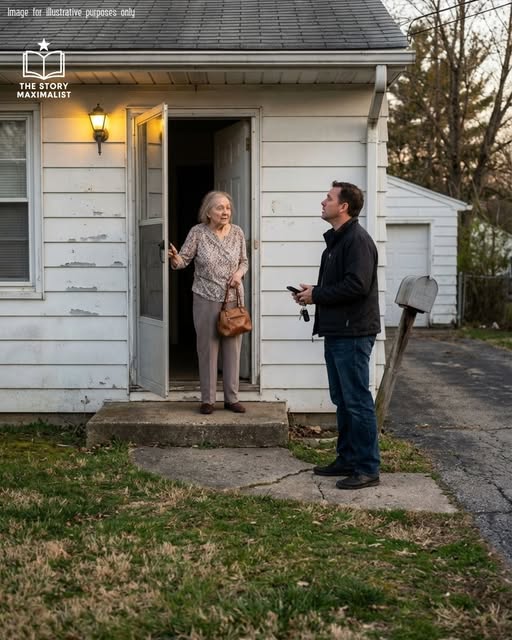
I drove the twenty minutes across town to the little one-story house I grew up in. Same cracked driveway. Same white mailbox leaning a little to the left. Same wind chime on the porch that had been there since I was a teenager.
My father had been gone four years.
The house still looked like it was waiting for him.
Mom opened the door before I knocked.
She was wearing her good cardigan, lipstick a little crooked, purse already over her shoulder like she’d been standing there listening for my car.
“Good,” she said, smiling too fast. “You made it.”
“Let’s go,” I said. “Traffic’s going to get ugly.”
She nodded, then turned toward the kitchen.
“I made coffee first,” she said. “Just for a minute.”
I almost told her we could grab something on the way.
I almost reminded her I only had an hour.
Instead, I followed her in.
The kitchen looked exactly the same and somehow smaller. The same yellow curtains. The same old table with the nick on the corner from when I crashed my bike into it in sixth grade. The same chair by the window where she now spent most of her afternoons watching cars pass like they were part of a show.
She poured coffee into two chipped mugs.
Too weak, too hot, the kind of coffee no one under seventy would drink on purpose.
She sat down across from me and smiled like she had won something.
Her neighbor’s dog getting loose again.
The church raffle she forgot to buy tickets for.
The tomatoes she said she might plant if her knees behaved this spring.
She asked about my kids. I gave her the same rushed answers I always gave.
My phone buzzed on the table.
An email. A calendar alert. A text from my wife asking if I’d booked the hotel yet.
When I looked up, my mother was already pushing her chair back.
“We should go,” she said quickly. “I know you’re busy.”
Something in the way she said busy made me hate the word.
“No,” I said. “It’s fine.”
She sat again, but her smile was gone.
Then she reached across the table and put her hand over mine.
My mother’s hands used to do everything. Sew costumes. Peel potatoes. Button my school shirt while holding a phone between her shoulder and ear. Press a cold rag to my forehead. Count grocery money down to the last dollar.
Now that hand felt light. Thin. Almost careful.
“Daniel,” she said, looking at our hands, not my face, “I don’t need a television.”
“I just didn’t know how else to get you here.”
The room went completely still.
“I know you have your life,” she said. “I know you work hard. I know the kids keep you running. I know everything costs too much and everyone is tired all the time.”
She gave a little laugh that broke halfway through.
“But when I ask you to visit, I hear myself sounding like a burden. If I say I need help buying something, or signing something, or fixing something, then at least it sounds important.”
She kept talking, quiet and steady, like she had practiced it alone.
“The truth is, some days I don’t say more than ten words out loud. I make soup. I fold the same blanket twice. I sit by the window. I hear your father’s chair creak in my head even though it hasn’t moved in years.”
Her eyes finally lifted to mine.
“I was just lonely, honey.”
And somehow that felt worse than anything she could have told me.
This woman had worked double shifts at a nursing home when I was a kid and still showed up for every school concert, every bad basketball game, every fever, every heartbreak.
She stretched one paycheck into miracles.
She wore the same winter coat for twelve years so I could have braces.
She ate the burnt ends and gave me the good parts.
She gave me her whole life in pieces so small I never noticed I was standing on them.
And now she felt like she had to invent an errand to earn one Tuesday afternoon from me.
I wanted to tell her I was sorry.
I wanted to say I didn’t know.
I knew I had been replacing presence with efficiency for years.
I told myself that counted because I was doing my best.
But a delivery is not a visit.
A thumbs-up under a family photo is not love to someone eating dinner alone in a silent house.
I picked up my phone, turned it off, and set it on the counter.
We never went to the store.
We drank bad coffee until it went cold. Then she warmed it up and we drank more.
She showed me an old photo album.
I fixed the loose handle on a kitchen drawer.
She told me the same story about my father teaching me to drive, and this time I didn’t rush her through the middle.
When I finally left, the porch light came on behind me.
I sat in my car with my hands on the wheel and thought about the day that light won’t come on anymore.
The day the house will be dark.
The day no one will be waiting at the window.
And I knew, with the kind of fear that settles in your chest and stays there, that I would trade every meeting, every deadline, every game, every stupid excuse I ever made… for one more ordinary afternoon at that old kitchen table.
One more cup of awful coffee.
One more chance not to make my mother beg for my time by pretending she needed a television.
I couldn’t.
She swallowed hard.
“I just didn’t know how else to get you here.”
The room went completely still.
“I know you have your life,” she said. “I know you work hard. I know the kids keep you running. I know everything costs too much and everyone is tired all the time.”
She gave a little laugh that broke halfway through.
“But when I ask you to visit, I hear myself sounding like a burden. If I say I need help buying something, or signing something, or fixing something, then at least it sounds important.”
I stared at her.
She kept talking, quiet and steady, like she had practiced it alone.
“The truth is, some days I don’t say more than ten words out loud. I make soup. I fold the same blanket twice. I sit by the window. I hear your father’s chair creak in my head even though it hasn’t moved in years.”
Her eyes finally lifted to mine.
“I was just lonely, honey.”
That was it.
No big emergency.
No medical scare.
No broken appliance.
Just lonely.
And somehow that felt worse than anything she could have told me.
This woman had worked double shifts at a nursing home when I was a kid and still showed up for every school concert, every bad basketball game, every fever, every heartbreak.
She stretched one paycheck into miracles.
She gave me her whole life in pieces so small I never noticed I was standing on them.
And now she felt like she had to invent an errand to earn one Tuesday afternoon from me.
I wanted to tell her I was sorry.
I wanted to say I didn’t know.
But I did know.
That was the worst part.
I knew I had been replacing presence with efficiency for years.
I sent groceries.
I mailed flowers.
I texted check-ins.
I told myself that counted because I was doing my best.
But a delivery is not a visit.
A text is not company.
A thumbs-up under a family photo is not love to someone eating dinner alone in a silent house.
I picked up my phone, turned it off, and set it on the counter.
Then I sat back down.
We never went to the store.
We drank bad coffee until it went cold. Then she warmed it up and we drank more.
She showed me an old photo album.
I fixed the loose handle on a kitchen drawer.
She told me the same story about my father teaching me to drive, and this time I didn’t rush her through the middle.
When I finally left, the porch light came on behind me.
I sat in my car with my hands on the wheel and thought about the day that light won’t come on anymore.
The day the house will be dark.
The day no one will be waiting at the window.
And I knew, with the kind of fear that settles in your chest and stays there, that I would trade every meeting, every deadline, every game, every stupid excuse I ever made… for one more ordinary afternoon at that old kitchen table.
One more cup of awful coffee.
One more chance not to make my mother beg for my time by pretending she needed a television.