‘True tomb’ of Jesus Christ found after 2,000 years — and it matches the Biblical telling
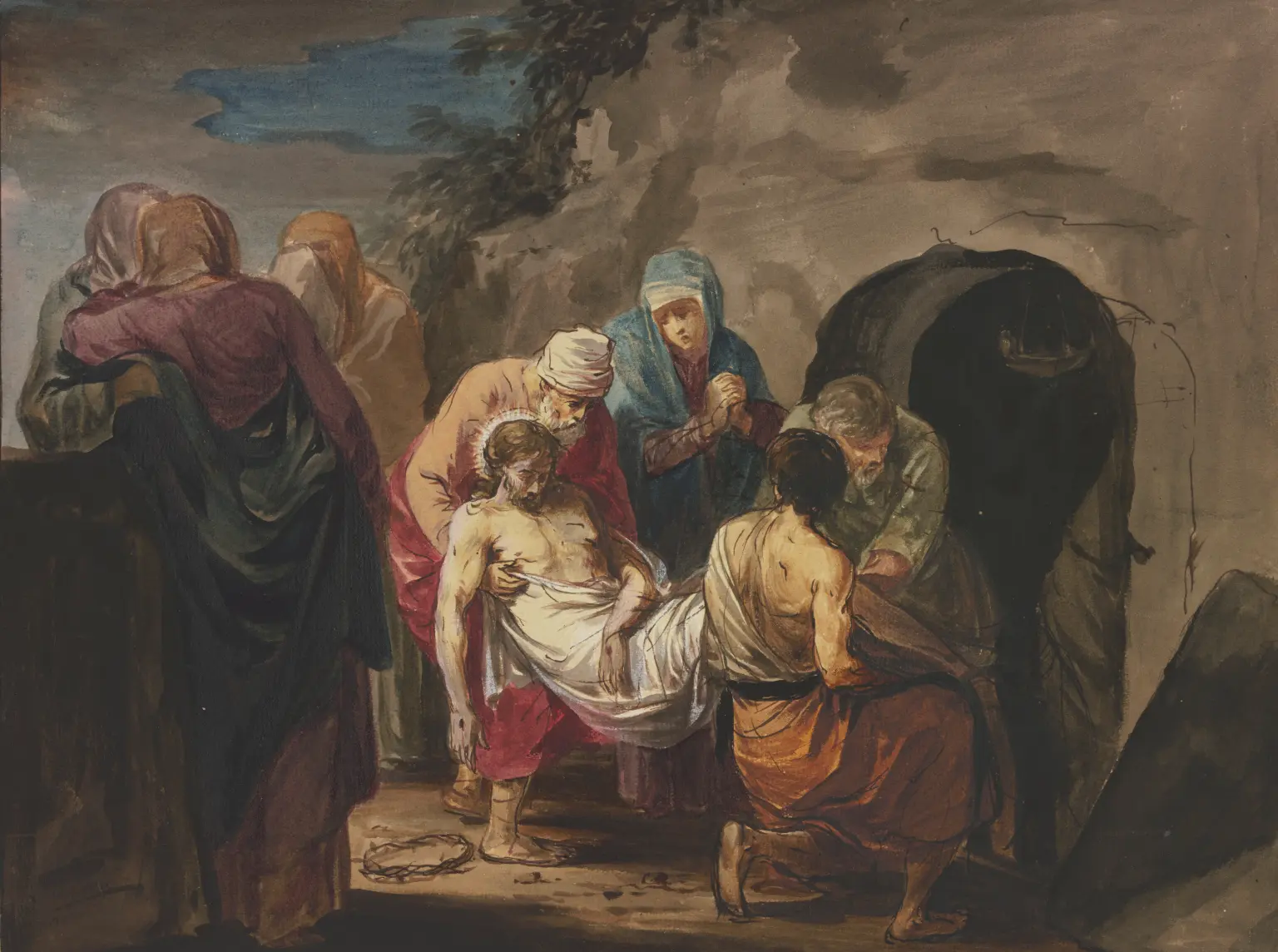
Italian archaeologists have found a site beneath the Jerusalem’s Church of the Holy Sepulchre that houses a quarry, cultivated land and rock tombs that match descriptions of Jesus’ burial ground in the Bible.
It was a long time second-coming.
After years of searching, Italian archaeologists have discovered an ancient site that matches a Bible description of where Jesus Christ was buried, per a preliminary study in the Jerusalem archaeological journal Liber Annuus.
“We have found evidence of a funerary landscape,” lead archaeologist Francesca Romana Stasolla, of the “La Sapienza” University of Rome, told the Daily Mail as part of an exclusive article.
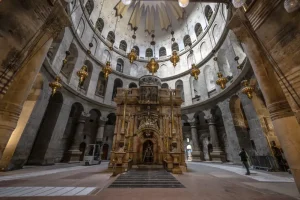

The researchers had been excavating Jerusalem’s Church of the Holy Sepulchre, a fourth century Roman Church that was built over a holy site where many Christians believe Christ was crucified, buried and then resurrected on Easter Sunday.
As a result, it’s become a mecca for religious pilgrims from across the world, attracting around four million visitors per year.
During the final phases of the excavations in 2025 — they began three years prior during a floor restoration — the team found a peculiar landscape that suggests they might’ve been onto something.
Underneath the church was an abandoned quarry, cultivated plots of land, rock-cut tombs and an ancient garden. Coincidentally, the Book of John describes: “At the place where Jesus was crucified, there was a garden, and in the garden a new tomb, in which no one had ever been laid.”
While no one had been found in the tomb, the abundance of parallels was nonetheless compelling.
John 19:20 says that the crucifixion occurred close to Jerusalem, while Hebrews 13:12 claims that it occurred outside the city gate — the exact location of the quarry at the time of Christ.
Another point of fascination? Sections of the quarry measured 20 feet deep and had been filled with dirt, suggesting that it served a pastoral purpose.
The site’s agricultural function was further supported by the discovery of olive trees and grapevines — possibly the same plant referenced in John 19:41 — that date back to the time of Jesus‘ death, which is believed to have happened around 33 A.D.
“The gospel mentions a green area between the Calvary and the tomb, and we identified these cultivated fields,” Stasolla told the Times of Israel.
In fact, the graves, which were carved directly into the stone, proved that it was an actual burial ground, and matched descriptions by Matthew, Mark and Luke of Jesus’ grave as having been carved from rock.
The evidence goes beyond parallels to the Bible. One particular chamber had been obstructed by a Roman structure built during Emperor Hadrian’s reign in the second century.
Around 200 years later, builders employed by Constantine’s workers destroyed the Roman structure and dug up the site to reveal the tomb, which they then separated from the other chambers. They even bestowed with its own Christian shrine where pilgrims could gather around and worship.
While this doesn’t definitely prove that this was Jesus’ burial site, the campaign to preserve it suggested that knowledge of the site had been passed down to early generations of Christian worshippers.
“The real treasure we are revealing is the history of the people who made this site what it is by expressing their faith here,” Stasolla told the Times. “Whether someone believes or not in the historicity of the Holy Sepulchre, the fact that generations of people did is objective. The history of this place is the history of Jerusalem, and at least from a certain moment, it is the history of the worship of Jesus Christ.”