Why does a toad appear in your house and what might its presence indicate?
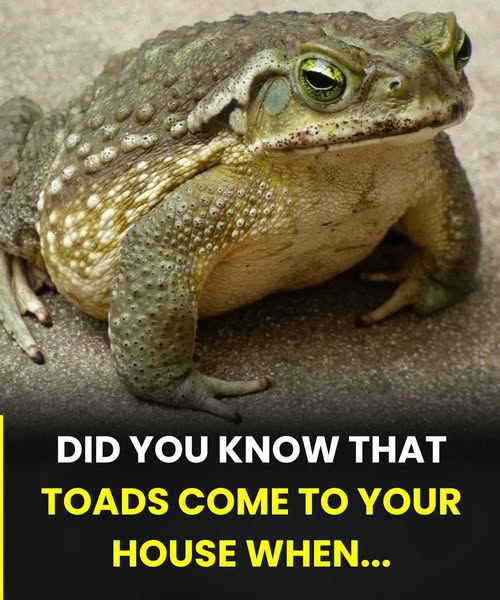
From time to time, people are startled to discover a toad in their yard, near their doorway, or even inside their home.
The first reaction is often confusion. Some dismiss it as an animal that wandered off course, while others instinctively feel its presence might carry a deeper significance. In truth, a toad appearing in the home can be understood through two lenses that have existed side by side for centuries: a natural, biological explanation and a symbolic one.
Throughout history, toads have been wrapped in legends, folklore, and superstition. Across different cultures, they have been feared, respected, or seen as bearers of hidden messages. Yet beyond mystical interpretations, there are very practical reasons these creatures are drawn to human spaces.
Toads are amphibians that rely heavily on moisture to survive.
They thrive in cool, shaded areas where food is plentiful. Their diet mainly includes insects such as mosquitoes, crickets, and other small invertebrates. For this reason, homes with gardens, potted plants, standing water, damp corners, or outdoor lights that attract insects can unintentionally become inviting shelters for them.
Their appearances become more frequent during rainy seasons or periods of high humidity. At such times, toads leave their usual hiding spots to search for food or safe refuge. They may slip indoors through tiny gaps, cracks, or doors that aren’t fully sealed—driven purely by instinct, not by any intent to harm. They pose no threat and are not aggressive creatures.
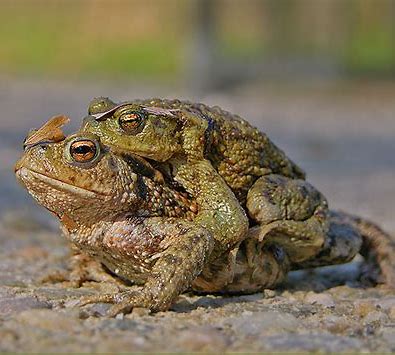

Beyond these practical explanations, many cultures view a toad’s arrival as a meaningful sign. In Eastern traditions, particularly in Feng Shui, the toad symbolizes wealth and abundance. The familiar “money toad,” often shown holding a coin in its mouth, represents prosperity and financial good fortune. Seen this way, a toad near the home can be interpreted as a positive omen connected to material improvement.
In several Latin American traditions, the symbolism shifts toward transformation and life cycles.
Because the toad undergoes a dramatic metamorphosis from tadpole to adult, it is seen as a symbol of personal change, renewal, and growth. Its presence may coincide with emotional evolution, the closing of chapters, or inner transformation.
Some beliefs also suggest that toads help cleanse energy. According to these views, they absorb or neutralize heavy or stagnant energies in a space. Their appearance may signal the need to restore balance, tidy the environment, or pay attention to unresolved emotional matters.
Historically, toads were sometimes associated with misfortune or dark rituals, largely due to misunderstanding and fear. In reality, they are not negative omens. Ancient civilizations, including Egyptian and Celtic cultures, regarded them as symbols of fertility, protection, rebirth, and even as quiet guardians of the household.
If toads appear repeatedly, it’s wise to assess the environment.
Standing water, excessive plant growth, and high humidity often explain their attraction. Those who prefer to keep them away can seal entry points, reduce moisture, and keep outdoor areas dry. Otherwise, toads can be beneficial allies, helping control insect populations naturally.
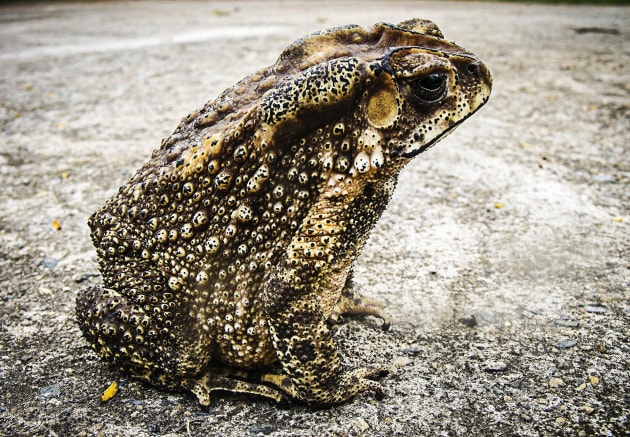
From an ecological perspective, toads are essential to environmental balance. Their presence usually indicates a healthy ecosystem with sufficient biodiversity. Conversely, their absence often signals environmental decline or pollution.
In the end, encountering a toad in your home is no reason for fear. It may simply be an animal following its natural needs—or, for those inclined toward symbolism, a quiet reminder that change is underway. Whether understood scientifically or spiritually, the toad stands as a subtle messenger of balance, adaptation, and transformation, encouraging us to observe our surroundings and respect the rhythms of life.