With heavy hearts, we announce the passing of this extraordinary singer, When you find out who he is, you will cry!
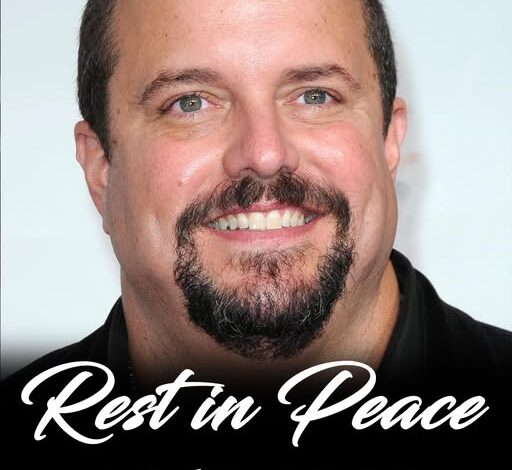
Raul Malo’s passing at 60 hit like a punch to the chest—a loss that echoes far beyond the world of Americana music. He wasn’t just the frontman of The Mavericks. He was the soul of the band, the unmistakable voice that could lift an audience into joy, pull them into heartbreak, and carry them anywhere in between. When news broke that he died after a long, grueling fight with cancer, fans around the world felt the impact instantly. A voice like his doesn’t come around often, and now it’s gone far too soon.
Malo’s rise began in Miami, where he and his bandmates built something no one else was doing. The Mavericks blended country, Latin rhythms, rockabilly swagger, and old-school crooner elegance into a sound that didn’t fit any one box. That was the point. Malo’s Cuban roots shaped everything—the rhythms, the phrasing, the emotion that poured out of his vocals. You could hear his heritage in every note, and fans loved him for it.
Their chart success was solid, but their influence stretched much further. Their 1996 hit “All You Ever Do Is Bring Me Down,” powered by Flaco Jiménez’s accordion, remains a classic. Malo’s voice—big, warm, powerful—had a presence that dominated every room. With Paul Deakin on drums and Robert Reynolds on bass, the band became known for concerts that felt less like performances and more like celebrations. Malo could swing from tender to explosive in seconds, and fans followed every shift like a story unfolding.
The band’s first breakup in 1999 didn’t slow him down. Malo dove into a solo career, exploring new styles without losing the emotional core that defined him. His 2001 debut Today showed his ability to move between genres effortlessly—country, rock, crooning ballads, even hints of jazz. The Mavericks eventually found their way back together, and his voice returned like a homecoming. Age didn’t weaken it. If anything, it added depth and grit.
His family background always mattered to him. Born to Cuban immigrants who fled Castro’s regime, Malo often spoke about the weight of their sacrifices. They came to the U.S. hoping for safety and opportunity, and he carried that gratitude into everything he did. He saw music not just as entertainment, but as a way of honoring where he came from.

In 2024, Malo dug back into the past—literally. While putting together what would become Moon & Stars, the band’s final album, he unearthed old recordings, lyrics, and unfinished ideas from early in the band’s life. He laughed about finding tapes and notebooks stuffed in a storage bin like forgotten treasure. Revisiting his younger self was strange and nostalgic. “I can baritone that now,” he joked, knowing his older voice could handle material that once felt too raw.
But even as he worked on music, his health began to unravel. In June 2024, he was diagnosed with colon cancer. Surgery removed a liver tumor, then another operation targeted his colon. For a moment, things looked hopeful. Then came the devastating news: he had leptomeningeal disease, a rare cancer affecting the brain and spinal cord. It’s the kind of diagnosis that leaves little room for optimism.
Still, he kept performing for as long as his body allowed. Fans who attended those final shows later said they could feel him fighting through every note—not out of obligation, but out of love. Music had always been his life’s engine, and he wasn’t willing to let go of it lightly.
By September 2025, reality could no longer be outrun. Malo announced the band would cancel the rest of their tour. His message was brief, honest, and heartbreaking: “Things have taken a turn.” Everyone who read those words understood the gravity behind them.
On December 8, 2025, Raul Malo died after an unrelenting battle with cancer.
The Mavericks released a tribute almost immediately, calling him “a force of human nature.” Anyone who had seen him live knew exactly what that meant. His energy, his charisma, his ability to make a song feel like a shared experience—none of it could be replicated. His wife, Betty, offered a message that cut straight to the heart. She wrote about his joy, his passion, his deep love for family and friends, and the way he lived with a kind of fullness that few people ever achieve. “Now he will look down on us… reminding us to savor every moment,” she wrote.
Savor every moment. It’s something he embodied. Malo wasn’t a performer who coasted. He showed up—fully, intensely, generously. Even as cancer drained his strength, he stayed connected to fans, to music, to the people he loved.
His legacy now sits in decades of recordings, countless live performances, and a voice that listeners will keep returning to for comfort, joy, and inspiration. People will argue about which song defined him. Some will say his tender ballads. Others will point to the roaring, dance-floor anthems. The truth is simple: every song he touched carried his unmistakable imprint.
Raul Malo didn’t just sing. He transported people.
Now, the world holds onto what he left behind—a body of work that crosses borders, genres, and generations. A testament to a man who lived loudly, loved deeply, and sang like he was born to tell stories no one else could tell.
Rest in peace, Raul Malo. A voice like yours doesn’t disappear. It echoes.