A Mothers Warnings Ignored, Now Her Three Daughters Are Gone
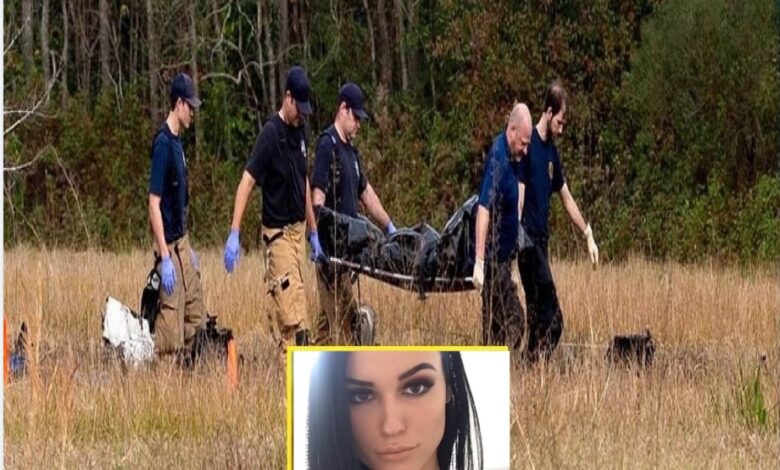
Whitney Decker knew something was wrong the moment her phone didn’t ring. Her three daughters—Paityn, age nine; Evelyn, eight; and little Olivia, just five—were supposed to be home hours ago after spending the weekend with their father. At first, she told herself to stay calm. Maybe they’d stopped for food, maybe traffic was bad. But as dusk settled and the silence dragged on, unease turned into panic. Every call went to voicemail. Every message went unanswered. Deep down, Whitney already feared what no mother dares to imagine.
Her dread wasn’t new. For months, she had been warning anyone who would listen that her ex-husband, Travis Decker, was becoming dangerously unstable. A former soldier, Travis struggled with severe PTSD and borderline personality disorder. He’d been drifting further into erratic behavior—violent mood swings, paranoia, isolation. Whitney had filed reports, contacted child services, even begged the police to intervene after several unsettling incidents. Each time, she was told there wasn’t enough evidence of immediate danger.
When Whitney called again that night, frantic and shaking, she pleaded for an Amber Alert. The dispatcher listened, typed notes, and then said the words that would haunt her forever: “I’m sorry, ma’am. It doesn’t meet the criteria.”
She tried to explain that Travis had been talking about “taking the girls somewhere they could be safe from the world.” She told them about his recent breakdowns, the way he’d ranted about government surveillance, about starting over in the wilderness. But without a direct threat or proof of abduction, the system wouldn’t act.

So Whitney waited—heart pounding, mind spinning through every worst-case scenario—while officials filed her report and promised to “keep an eye out.” The night crawled by in unbearable silence.
Two days later, that silence was shattered by a discovery that confirmed every nightmare she’d tried to prevent.
At a remote campsite in the Leavenworth wilderness, officers found a small, abandoned tent beside a smoldering fire pit. Inside were three sleeping bags, children’s clothes, and a few toys scattered in the dirt. Nearby, in the shadow of a tree line, searchers made the devastating find: the bodies of Paityn, Evelyn, and Olivia, bound and suffocated, plastic bags still over their heads.
The scene was so horrific that even seasoned investigators struggled to process it. Travis Decker was nowhere to be found. His truck was gone, and with it, any chance of immediate justice. Authorities issued a warrant and described him as “armed, dangerous, and unstable.” A manhunt stretched across state lines, but as days turned into weeks, he remained at large.
For Whitney, time froze the moment detectives delivered the news. The world dimmed. The breath left her lungs. Her hands went cold as they explained that her girls were gone, that her worst fears had come true, and that the man she once trusted had taken everything.
In the aftermath, grief gave way to outrage. Whitney’s story quickly spread across the nation, sparking a wave of public fury and disbelief. People couldn’t understand how so many warnings had been ignored—how a mother’s desperate pleas could be brushed aside by procedure and red tape.
Legal experts began pointing to systemic flaws that had allowed tragedy to unfold. The criteria for issuing Amber Alerts, they argued, were far too narrow. Law enforcement could only act when there was concrete evidence of immediate danger, even if all signs pointed to disaster. In this case, Travis had legal custody for the weekend. On paper, nothing appeared abnormal—until it was too late.
Child advocacy groups echoed the outrage, calling for sweeping reform. “This isn’t an isolated case,” one spokesperson said. “We hear from parents all the time who sense their children are in danger but are told to wait until something happens. By the time the system reacts, the damage is irreversible.”
As #JusticeForTheDeckerGirls spread across social media, the story became a national rallying cry. People demanded accountability—not just from law enforcement, but from the entire apparatus meant to protect children. Protesters gathered outside courthouses, holding photos of Paityn, Evelyn, and Olivia, their smiles frozen in innocence. Lawmakers faced mounting pressure to revisit how domestic custody disputes and mental health crises intersect, and why so many warnings still fall on deaf ears.
Meanwhile, the search for Travis Decker grew increasingly desperate. His background as a former Marine made him skilled in survival and difficult to track. Federal agencies joined local police, combing forests, highways, and abandoned cabins. Still, he slipped through every lead. Each sighting brought a fresh surge of hope—and fresh heartbreak when it turned out false.