Designer Carolina Herrera Calls Jeans and Long Hair ‘Classless’ Past a Certain Age
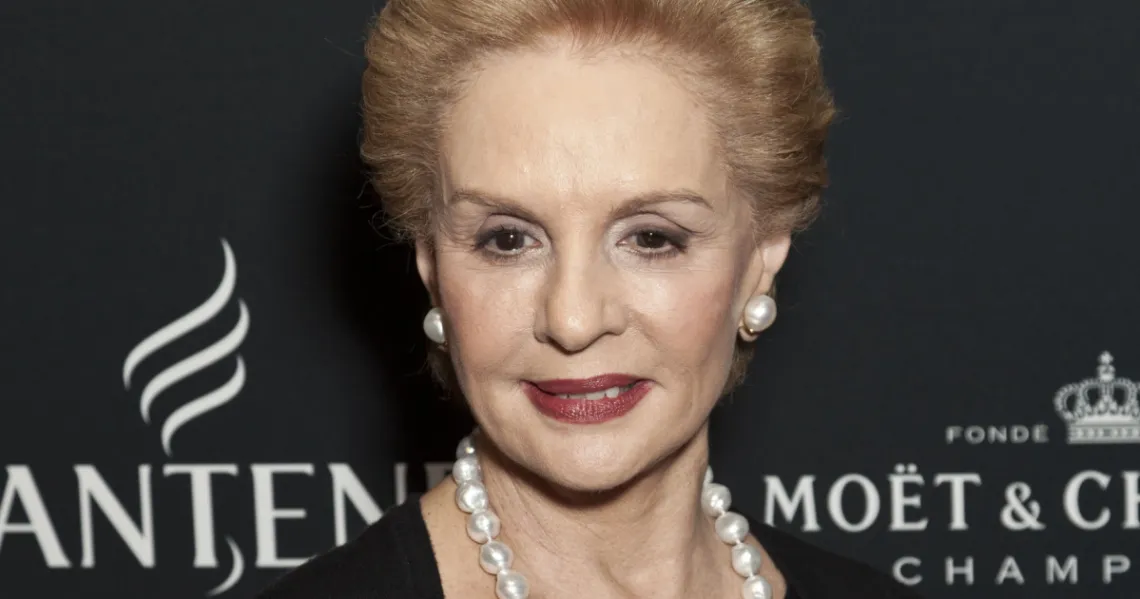
In the global hierarchy of high fashion, Carolina Herrera stands out as a name synonymous with prestige, admiration, and a relentless pursuit of elegance. Throughout her remarkable thirty-year career, she has transcended mere trends to become a global symbol of sophistication and an advocate for authentic personal style. Herrera is often viewed as a guardian of traditional glamour, known for her ability to balance modern sensibilities with a timeless, aristocratic aesthetic.
Recently, Herrera stirred the fashion community and ignited a spirited conversation by openly sharing her thoughts on the intersection of aging and fashion. Her critiques—which specifically targeted the use of jeans and long hair past a certain age—have forced a dialogue on what it means to embrace a personal style that aligns with one’s chronological stage.
The Philosophy of Mature Elegance
Herrera’s stance is built on the belief that fashion is not a “one size fits all” journey that lasts a lifetime. Instead, she suggests that as a woman matures, her wardrobe should undergo a parallel evolution. For Herrera, elegance is rooted in self-awareness; it is the ability to recognize that the sartorial choices of youth may not carry the same level of sophistication when worn in later life stages.
By sparking this debate, Herrera has highlighted a fundamental tension in the industry:
Authenticity vs. Trends: Herrera advocates for a style that is “authentic” to the wearer’s age rather than a desperate attempt to mirror the fleeting trends of a younger generation.
The Social Definition of “Class”: Her use of the word “classless” to describe certain looks for older women suggests a belief in a set of unspoken rules that maintain the dignity and prestige associated with mature womanhood.
This conversation isn’t just about clothes; it’s about the psychological and social expectations of how women present themselves as they grow older. Herrera’s dedication to this “age-aligned” style serves as both an inspiration to traditionalists and a point of contention for those who believe fashion should have no boundaries.

What Drives Carolina Herrera’s Fashion Vision?
Source: : Shutterstock
Carolina Herrera’s fashion vision is anchored in a philosophy where elegance is a duty and style is an evolving mirror of a woman’s life stage. Her approach goes beyond the 30s and 40s, advocating for a transition from the experimental trends of youth to a more refined, “truthful” aesthetic in maturity. Her rise to fame and the wider meaning behind her style philosophy celebrate timelessness, inspiring individuals to embrace their unique fashion expression through the lens of self-knowledge rather than nostalgia.
The New York Debut and the Rise to Global Fame
Carolina Herrera’s path in the fashion industry is truly remarkable. Originally from Venezuela, she was raised in an environment of immense privilege and “pretty things,” having attended her first Balenciaga show at age 13. She stepped into the professional fashion world not as a trained designer, but as a woman with a natural flair and a strong commitment to quality.
In 1981, at the age of 40 and with the encouragement of legendary Vogue editor Diana Vreeland, she made a lasting impact by launching her namesake brand in New York City. Her debut show at the Metropolitan Club—the first fashion show ever permitted in the historic venue—was a bold move that transformed the industry. Featuring supermodel Iman, the collection was an immediate critical success, proving that a woman’s professional “second act” could redefine a global market.
A Hallmark of Grace, Precision, and Influence
Her creations quickly earned praise for their enduring elegance, seamlessly blending classic style with modern touches. Herrera’s hallmark is defined by:
Clean Silhouettes: Structurally sound designs that favor the wearer’s form over fleeting fads.
Luxurious Fabrics: A commitment to silk, organza, and poplin that reflects her high standards for craftsmanship.
Precise Craftsmanship: An obsession with fit and detail, notably her iconic “architectural” sleeves.
This unique blend of grace and functionality has won her a devoted global following, including world leaders and icons such as Jacqueline Kennedy Onassis, Michelle Obama, and Laura Bush. For Herrera, the vision is simple: a responsibility to make the modern woman feel beautiful, confident, and, above all else, like herself.
Carolina Herrera: A Brand That Keeps Expanding
Source: carolinaherrera Instagram
The reach of the Herrera empire extends far beyond the traditional boundaries of the runway. From her dreamy bridal gowns, which have become the gold standard for romantic elegance, to her captivating fragrances, she has made an indelible and lasting impact on both the fashion and beauty industries. Her bridal collections are celebrated for their ability to delight countless brides by focusing on timelessness rather than trends, while her fragrance line—headlined by the iconic “Good Girl”—continues to inspire confidence and allure through scent.
Despite her extraordinary achievements and global commercial success, Herrera remains deeply committed to the core idea that fashion is, first and foremost, a form of personal expression. Her legacy isn’t just built on the physical garments she produces, but also on her outspoken and sometimes provocative views on style. She is not a designer who remains silent in the face of changing social norms; rather, she uses her platform to uphold the standards of elegance she believes are essential to a woman’s dignity.
Beyond the Catwalk: Challenging the “Age-Appropriate” Narrative
Beyond her influence on the catwalk, Herrera has sparked some of the most important and spirited conversations in modern fashion regarding age and attire. By questioning the aesthetics of older generations—such as the “classless” nature of long hair or casual denim in later life—she has challenged traditional and modern ideas alike about what is truly “age-appropriate” to wear.
Herrera’s influence lies in her unique power to motivate us all to:
Celebrate Individuality: Moving away from a “one-size-fits-all” approach to trends.
Develop Unique Style: Encouraging women to curate a wardrobe that reflects their life’s experience and current maturity.
Embrace Timelessness: Focusing on quality and silhouette over the fleeting, youthful fads of the moment.
Ultimately, her vision is one of empowerment through refinement. She inspires women of all generations to look in the mirror and see themselves clearly—advocating for a version of beauty that honors the passage of time rather than attempting to hide it.
Fashion Freedom at Any Age: The Philosophy of Aging Gracefully
Carolina Herrera is renowned for speaking her mind with a level of candor that often challenges conventional thinking and the modern “anything goes” approach to dressing. Recently, she ignited particularly lively and polarized discussions within the fashion community by offering her honest, unfiltered perspective on the intersection of chronological age and aesthetic choices.
Herrera’s stance is rooted in a traditionalist view of elegance, where the goal is not to hide one’s age, but to inhabit it with a specific type of dignity. She believes that “a woman should age gracefully and avoid trying to appear younger than she is, or else she risks looking foolish.” For Herrera, the attempt to mask the passage of time through youthful garments creates a visual dissonance that undermines a woman’s natural sophistication.
The “Visual Dissonance” of Mismatched Style
To illustrate her point, Herrera points to a common observation in modern urban environments—what she perceives as a disconnect between a woman’s silhouette and her reality.
“I often see women walking down the street who, from behind, look elegant with their long hair and short skirts—but when they turn around, it’s clear they are much older.”
This specific observation highlights two of Herrera’s most controversial “rules” for mature style:
The Length of Hair: She suggests that long hair can create a youthful illusion from behind that is betrayed by the face, advocating instead for shorter, more structured styles that frame the face of a mature woman more effectively.
The Hemline Hierarchy: The mention of “short skirts” reflects her belief that certain cuts are designed for a youthful physiology and look out of place when the wearer has reached a more advanced life stage.
For Herrera, the ultimate “Fashion Freedom” isn’t about the liberty to wear whatever one wants, but the freedom to be authentically yourself without the pressure to compete with younger generations. She argues that when a woman embraces her age through her wardrobe, she projects a sense of confidence and power that a “youthful” outfit can never provide.
Addressing Two Hot-Button Topics: The “Denim and Length” Debate
In her critique of modern styling habits, Herrera specifically targets two of the most ubiquitous elements of contemporary fashion: denim and hair length. She expresses the firm opinion that wearing jeans past the age of 30 may not suit everyone’s style. For Herrera, denim is a fabric fundamentally associated with youth and casual labor; she believes that as a woman enters her third decade and beyond, her wardrobe should transition toward more “elevated” materials—such as wool, silk, or high-quality cotton—that better reflect a sophisticated stature.
Parallel to her views on clothing is her stance on grooming. Herrera believes women over 40 should consider shorter hairstyles. In her view, long hair often drags down the facial features as one ages, whereas a shorter, more intentional cut tends to convey greater elegance and better reflect a woman’s maturity. By opting for a “bob” or a structured short style, Herrera argues that a woman enhances her bone structure and projects an image of refined self-assurance.
These views have sparked lively, often polarized debates regarding the balance between dressing age-appropriately and embracing personal expression.
The Traditionalist View: Many appreciate her frankness and dedication to her fashion beliefs, seeing her as a necessary voice for decorum in an increasingly casual world.
The Modernist View: Others argue against the notion that age should limit one’s choices, asserting that a woman’s hair or clothing should be dictated by her personality and comfort rather than a birth date.
Carolina Herrera on the Personal Nature of Style
Despite her rigid aesthetic guidelines, Herrera’s philosophy contains an important nuance regarding the individual. Although she may personally avoid certain fashion pieces as she grows older, she acknowledges that fashion is ultimately a personal choice. She does not view her “rules” as a cage, but rather as a map toward a more polished version of oneself.
For Herrera, what truly counts is the psychological impact of the garment: feeling comfortable and confident in your own skin. Her ultimate message is that style should be about honoring your individual path and expressing yourself with authenticity. Whether a woman chooses to follow Herrera’s classicist path or forge a more unconventional trail, the goal remains the same: to present a version of oneself to the world that feels honest, dignified, and empowered.
Fashion and Beauty: The Paradigm Shift from Conformity to Diversity
The evolution of fashion and beauty standards represents a profound transformation in human expression. Historically, these standards were not merely suggestions but strict societal mandates that mirrored the cultural and political values of the time. Today, that landscape has been dismantled in favor of a dynamic, inclusive, and multi-faceted approach to style.
The Era of Rigid Conformity
In the past, beauty and fashion standards were characterized by their narrowness and exclusivity. Particularly for women, the “ideal” was a specific, often unattainable aesthetic that demanded adherence to rigid age-related and physical norms.
Symmetry and Youth: Beauty was often synonymous with youth, with little to no representation for individuals past their 30s.
The “Standard” Silhouette: Aesthetic ideals were restricted to a very specific body type and ethnic background, effectively excluding the vast majority of the global population.
Social Signifiers: Clothing served as a strict marker of class and decorum; deviating from “age-appropriate” attire was often met with social ostracization.
The Modern Shift: Self-Expression Over Rigid Rules
Over recent decades, a marked shift has occurred, moving toward a broader, more empathetic spectrum of beauty. Modern fashion has transitioned from a set of “rules to be followed” to a toolkit for self-expression. This movement has been fueled by cultural developments and a growing demand for authenticity over perfection.
Inclusivity as the Modern Heartbeat
Inclusivity is no longer an afterthought; it is the core of the contemporary fashion industry. Designers, global brands, and digital influencers are actively dismantling old hierarchies.
Diverse Runways: Modern fashion shows now feature a deliberate mix of ages, body types, ethnic backgrounds, and gender identities.
Representational Marketing: Consumers now demand to see themselves reflected in the media they consume, leading to a surge in brands that cater to all skin tones and sizes.
Empowerment: This shift encourages individuals to celebrate their individuality and “flaws,” fostering a culture where confidence is the ultimate accessory.
From Perfection to Realness: The Rise of Holistic Beauty
We have entered a new era that prioritizes “Realness” over “Perfection.” The focus has shifted from concealing perceived defects to a more holistic view of beauty that prioritizes skincare, self-care, and overall well-being.
The Wellness Connection: Beauty is now viewed as an extension of health. Confidence is seen as a byproduct of self-care rather than the result of a specific makeup application.
The Herrera Perspective in Context: While Carolina Herrera’s views on “age-appropriate” dressing reflect her personal convictions and a specific classical tradition, they exist within a shifting landscape. Her opinions—while rooted in a desire for elegance—may clash with the modern celebration of diversity. However, they highlight a fundamental truth: fashion and beauty remain deeply personal journeys.
The Future of Authentic Beauty
Today’s world increasingly recognizes that age, diversity, and individuality are the key components of true style. Whether one chooses to follow Herrera’s path of structured elegance or the modern path of unrestricted self-expression, the ultimate goal in this new era is authenticity. True beauty is no longer defined by how well you fit into a mold, but by how courageously you break it.
The Style and Substance of Long Hair and Denim: Defying Traditional Norms
While Carolina Herrera’s aesthetic philosophy favors the structured discipline of shorter hair and more formal textiles, it is essential to acknowledge that long hair and denim are not merely youthful trends—they are timeless, versatile staples. For many women, these elements represent a sense of freedom and a rejection of the idea that one’s style must shrink as they age. By focusing on quality, fit, and intentional styling, women over 40 can maintain long locks and denim in a way that feels sophisticated, modern, and entirely appropriate for their life stage.
Redefining Long Hair: Elegance Through Intentional Styling
Contrary to the belief that long hair “drags down” the face after 40, well-maintained long hair can radiate a unique, timeless elegance. The key to making long hair work in a professional or mature context is deliberate styling and high-level maintenance. Here are several sophisticated ways to celebrate and wear long locks:
1. Classic Waves: The “Soft Power” Aesthetic
Soft, loose waves or voluminous curls create a sophisticated, approachable vibe. Unlike the beachy, unkempt waves of youth, “Classic Waves” for the mature woman are usually more defined and polished.
Why it works: This style adds movement and prevents the hair from looking flat or lifeless.
Versatility: It pairs seamlessly with structured blazers or casual denim, offering an effortless transition from day to evening.
2. Sleek and Straight: The Polished Statement
A smooth, straight look offers a “glass-hair” finish that projects confidence and authority. This style relies on the health of the hair; using high-quality serums and a precise cut ensures the ends look thick and healthy.
Why it works: It provides a clean, minimalist frame for the face, highlighting the natural beauty of the hair’s length without the distraction of frizz.
Style Tip: A center or deep side part can change the geometry of the face, allowing for a more customized look.
3. Sophisticated Updos and Braids: Versatile Artistry
For women who want the length but need a more practical or formal option, updos and braids offer endless variety.
Chic Buns and Chignons: A low, sleek chignon is perhaps the ultimate symbol of sophistication, perfect for high-stakes meetings or formal galas.
Intricate Braids: Modern braiding techniques can add texture and a touch of “bohemian chic” to everyday wear.
Why it works: These styles allow a woman to “edit” her look based on the occasion, proving that long hair is actually more adaptable than a short, fixed cut.
Denim Beyond 40: The Architecture of the Perfect Fit
Just as long hair can be refined, denim can be elevated from “casual wear” to “smart-casual excellence.” For the woman over 40, the goal is to shift from trendy, distressed jeans to Structured Denim.
Dark Washes: Indigo, charcoal, and black denim provide a more formal, slimming silhouette that mimics the appearance of tailored trousers.
The “Power” Cut: Straight-leg, bootcut, or wide-leg silhouettes often provide a more balanced look for a mature physiology compared to ultra-skinny fits.
Pairing: Combining denim with high-end textures—such as Herrera’s own silk shirts or a well-tailored tweed blazer—creates a high-low contrast that is the epitome of modern style.
The Everlasting Charm of Denim
Jeans are a classic wardrobe staple that transcends age and can be easily tailored to fit your personal style. Here are some tips to help you make the most of your denim:
Find the Perfect Fit: Choose jeans that flatter your body shape and feel comfortable. High-rise or mid-rise styles often provide a sleek silhouette and added comfort.
Explore Different Styles: From skinny and straight-leg to bootcut and boyfriend jeans, experiment with various cuts to discover what best suits your figure and style preferences.
Dress Them Up: Jeans are incredibly versatile — pair them with a chic blouse, tailored blazer, or elegant accessories to create a polished, sophisticated look.
Casual Chic: For everyday comfort, team your jeans with a classic tee, sneakers, or ankle boots. Adding a statement necklace or scarf can effortlessly elevate the outfit.
Ultimately, fashion is about embracing your unique style and feeling confident. These tips are here to inspire, but there are no strict rules—women over 40, and at any age, should wear what makes them feel beautiful and empowered.
The Art of Dressing for Yourself
In a constantly shifting world of fashion and beauty, Carolina Herrera’s straightforward views on age and style ignite meaningful discussions. Yet, the most important voice in your fashion journey is your own. Your choices should prioritize comfort, confidence, and a true reflection of who you are.
As demonstrated, the timeless elegance of long hair and the adaptable nature of jeans highlight just a few ways women of every age can showcase their individuality with confidence. Fashion advice for women over 40 aims to inspire, not restrict. Whether you opt for flowing locks or stylish jeans, honor your unique style path with pride. Celebrate the beauty at every stage of life, remembering that genuine style transcends age—it’s a celebration of your authentic self.