Greasy and dirty kitchen cabinets, use this miracle ingredient to make them shine: like new
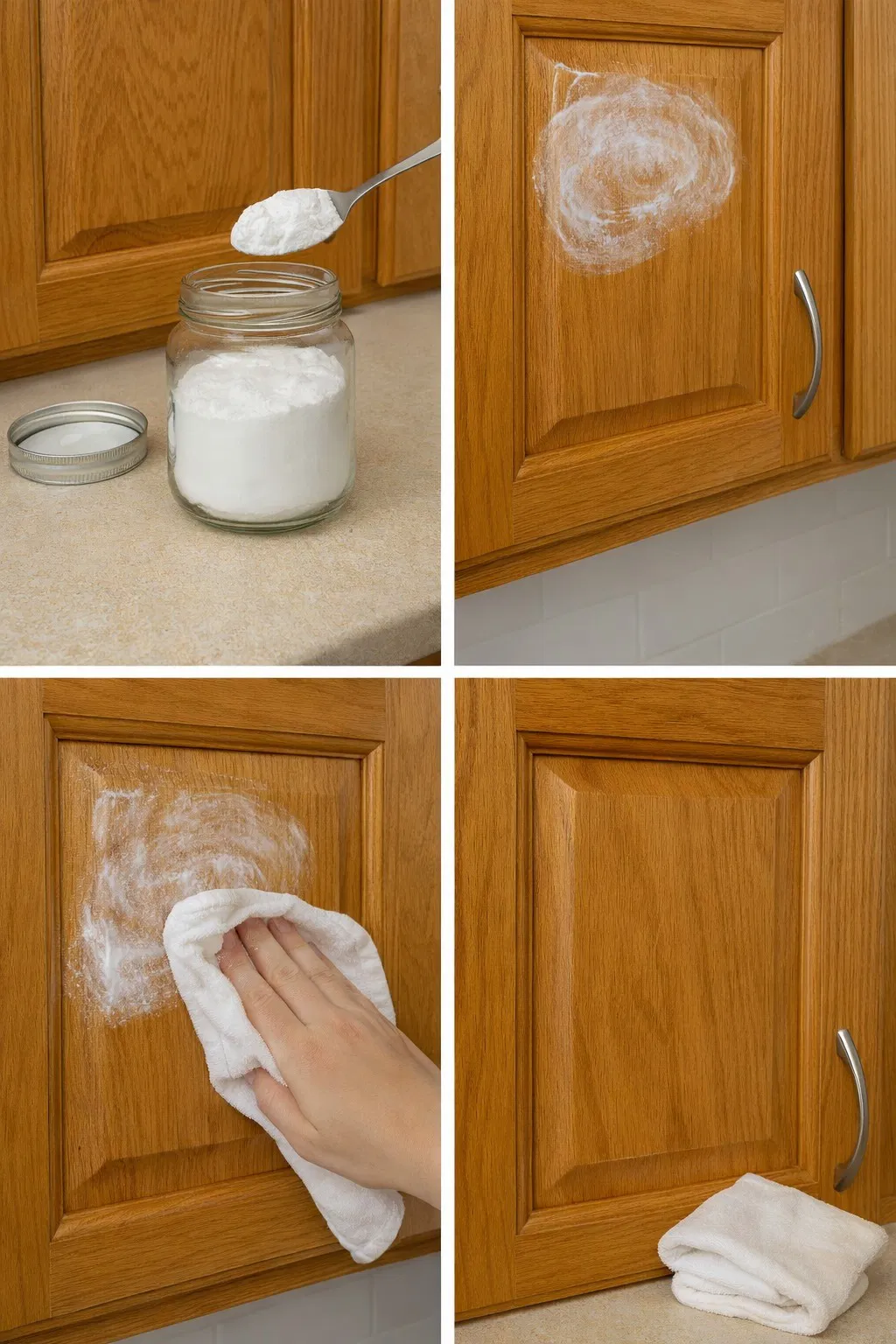
Greasy and dirty tall cabinets. We use the kitchen almost every day to prepare dinners and lunches. We don’t realise that from time to time these cabinets get dirty because they absorb splashes from food, vapours from what is being prepared and inevitably grease, which slowly deposits itself without being noticed.
After days of carelessness or poor cleaning, greasy and dirty cabinets end up looking really dirty, almost impossible to clean. It is advisable to clean them every time we cook, but we rarely do it, perhaps because we are in a hurry, because nowadays everyone leads a hectic life that leaves no escape for anyone .
Cleaning your cabinets every time you cook is important to avoid ruining them.
When we cook, we leave rings and traces of oil and grease everywhere, which expand with the steam every time we cook something new . That’s why even just using a damp cloth is a good idea to spend a few minutes on them.
If we all had this habit, a single wipe with a suitable product would be enough to keep our cupboards always clean, as good as new, intact. However, when there is accumulated dirt and grease, it takes much longer to obtain at least acceptable results. Cleaning greasy and dirty cupboards varies depending on the material of the furniture; not all of them are easily cleaned with a single wipe and a single product. To obtain a perfect and satisfactory result, it is enough to clean with natural products that everyone has at home, which respect the environment, are non-toxic and do not damage the material of the wall unit even after many uses.
Cleaning greasy and dirty cabinets with natural products, non-toxic to humans and the environment
Among the recommended ingredients for cleaning greasy and dirty cabinets is white wine vinegar . Just dilute a glass of vinegar in a bowl with a litre of water, then add the Marseille soap flakes – two teaspoons are enough. Then mix the solution until the flavour flakes have completely dissolved, making sure the solution is well mixed.

At this point, soak a soft cloth in water, wring it out well to remove excess water and wipe it over the doors. Pay special attention to the dirtiest spots, without scratching, because applying force or rubbing too much risks damaging the wall units. After a few minutes, thanks to this solution, the dirt disappears. Once the desired result has been obtained, dry the cabinets with a clean cloth.
Ethyl alcohol, the miracle solution to use at home for cleaning
Another method for cleaning greasy and dirty cabinets involves the use of ethyl alcohol, which can only be used on wooden surfaces and not on other materials, which instead of cleaning, can ruin the furniture. Alcohol can be used to prepare an excellent cleaner, which is kept in a spray bottle of at least half a litre. This detergent can be used at any time, for example right after finishing cooking and washing dishes. The detergent in question allows you to immediately remove stains, grease and vapours and always keep the kitchen sanitised and shiny.
To prepare the mixture, pour warm water into the bottle, then add a glass of alcohol and mix vigorously. Once this is done, spray the solution directly onto the dirty door and rub it with a damp, well-wrung cloth. It is better if the cloth is warm. When you wipe the damp cloth you will notice streaks, but don’t worry, when the wall unit is clean it will be dried with another cloth and here you have the more than surprising result.
The best remedy, the ally of housewives: baking soda
To conclude, the remedy par excellence requires the use of baking soda, which removes the dirt that settles on greasy and dirty cupboards, but not only that. Baking soda is used in the kitchen to solve many problems.
In this case, there is no recommended dosage: you can dilute two or three tablespoons in a container that is not too full of water. The important thing is that there is no baking soda left at the bottom, because when you wet the cloth to clean the cabinets you run the risk of picking up too much of the product. This could have an abrasive effect and therefore ruin the surface. Once finished, dry everything well again using a soft cloth and that’s it.