HomeIf You Have These Two “Dimples” on Your Lower Back, Here’s What They Mean If You Have These Two “Dimples” on Your Lower Back, Here’s What They Mean
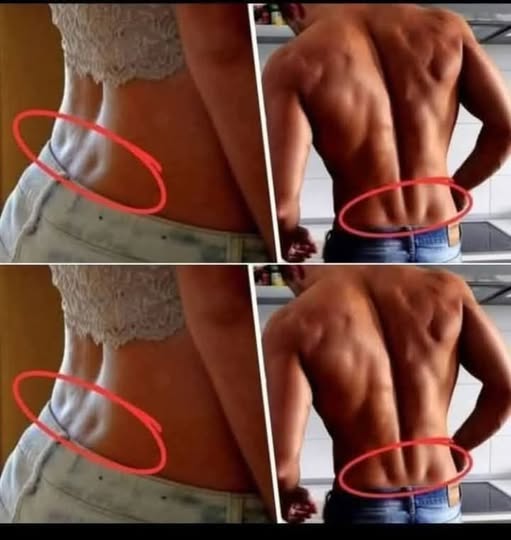
If You Have These Two “Dimples” on Your Lower Back, Here’s What They Mean
You’ve probably seen them—those two small indentations just above the buttocks, symmetrical and almost perfectly placed. Some people have them naturally. Others notice them for the first time and wonder, What are those? Why do I have them?
They’re often called “dimples of Venus,” a name that sounds poetic and mysterious. But what do they actually mean—medically, genetically, and culturally? And are they a sign of anything significant?
Let’s explore the truth behind those little lower back dimples.
What Are They Called?
These indentations have several names, each with its own history and connotation:

Dimples of Venus – The most poetic name, derived from Roman mythology (Venus was the goddess of beauty, love, and fertility)
Back dimples – The simple, descriptive term
Sacral dimples – The medical term (though this can refer to both natural indentations and a specific congenital condition—more on that below)
Butt dimples – Colloquial and straightforward
The name “Dimples of Venus” comes from the idea that these indentations are markers of beauty and desirability—features that enhance the visual appeal of the lower back.
Medically Speaking: What Causes Them?
In most cases, these dimples are completely normal anatomical variations.
They occur where a short ligament connects the skin to the posterior superior iliac spine—the part of your pelvic bone that you can feel as two bony prominences on either side of your lower back. When you have a certain distribution of muscle and fat, these attachment points create visible indentations.
Key medical facts:
They’re genetic – If you have them, you likely inherited the trait
They’re more visible in people with lower body fat and well-developed gluteal muscles
They’re not harmful and don’t indicate any health problem
They’re permanent – They won’t go away with exercise or weight loss (though they may become more or less visible)
The Distinction: Normal Dimples vs. Sacral Dimples
This is important. The charming “dimples of Venus” are one thing; sacral dimples that require medical attention are another.
Normal Back Dimples (Dimples of Venus)
Located symmetrically on the lower back, above the buttocks
Present from birth
No other symptoms
Skin looks normal, just indented
Sacral Dimples That May Need Evaluation
Located in the crease between the buttocks (lower down)
May have a visible tuft of hair, skin discoloration, or a skin tag
Could be accompanied by other physical signs
In rare cases, may indicate an underlying spinal issue
If you have dimples higher up, symmetrical, and without any other symptoms, they’re almost certainly normal anatomical variations.
Cultural and Historical Meanings
Throughout history, these dimples have carried various meanings:
Symbol of Beauty
In many cultures, back dimples are considered an attractive feature—a marker of a well-proportioned body. The name “Dimples of Venus” directly links them to the goddess of beauty and love.
Sign of Good Health
Some traditional beliefs hold that back dimples indicate good circulation, strong bones, or even fertility. While these claims aren’t medically supported, they reflect the idea that these dimples are seen as positive features.
Marker of Fitness
In modern fitness culture, back dimples are often associated with low body fat and developed gluteal muscles. Many people who work out aim to make them more visible through exercise—though you can’t “build” them; you can only reveal them.
Erotic Appeal
Because of their placement near the lower back and buttocks, these dimples have long been considered an erogenous zone in various cultures—a subtle, natural accent to the body’s curves.
Can You Get Them If You Don’t Have Them?
This is a common question, especially in fitness circles.
The short answer: No, you cannot create back dimples if you weren’t born with them.
The dimples are caused by the underlying structure of your ligaments and bones—specifically, where the skin attaches to the pelvic bone. This is determined by genetics, not by exercise.
However, you can make them more visible by:
Reducing overall body fat percentage
Building gluteal muscles to create more definition around the area
Improving posture, which can affect how the lower back appears
If you have the underlying anatomical structure, these changes can make your natural dimples more prominent. If you don’t, no amount of exercise will create them.
Why Some People Have Them and Others Don’t
Like attached vs. detached earlobes, the ability to roll your tongue, or the presence of a single vs. double eyebrow arch, back dimples are simply a genetic trait.
They’re more common in women than men, though men can have them
They’re more visible in people with lower body fat
They’re hereditary—if your parents have them, you’re more likely to have them
The Bottom Line
Those two small dimples on your lower back are nothing to worry about. They’re a normal, harmless, and genetically determined anatomical feature. They’re not a sign of any medical condition, and they don’t need any special care or attention.
If anything, they’re a little beauty mark—a quirk of your body’s architecture that many people find attractive. The name “Dimples of Venus” exists for a reason: across cultures and centuries, these small indentations have been seen as a mark of beauty, proportion, and appeal.
So if you have them, consider yourself lucky. They’re a subtle, natural accent that requires no effort to maintain. And if you don’t? You’re in excellent company—most people don’t. Your body is beautiful exactly as it is.