Jim Whittaker, America’s first Everest summiteer, dies at 97
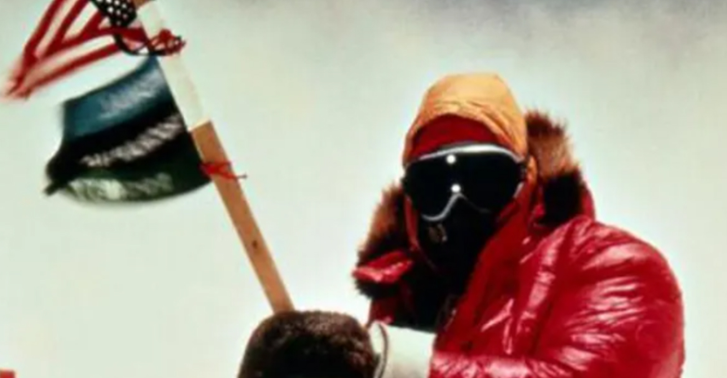
The world has lost a true giant of adventure.
Jim Whittaker — the quiet, determined climber who became the first American to reach the summit of Mount Everest — has died at 97.
He passed away peacefully at his home in Port Townsend, Washington, surrounded by the life he built far from the spotlight that once followed him.
According to NPR, his family released a message that felt unmistakably like him — humble, warm, and deeply human:
“Whether at home, in the mountains, or at sea, he sought to share adventure, joy, and optimism with those around him,” the statement read. “His warmth, humility, and belief in the power of nature to bring people together left an enduring legacy of care for our planet and for one another.”

Whittaker’s life feels like it came from another era — one where courage was quiet, and greatness didn’t need to announce itself.
Born and raised in Seattle, he began climbing as a teenager with his twin brother, Lou. Their bond lasted a lifetime — their paths sometimes diverging, but always intertwined. In 1963, Jim made history by standing atop Everest, just a decade after the mountain was first conquered. That moment didn’t just change his life — it helped spark America’s fascination with mountaineering. Suddenly, the once‑reserved climber found himself on magazine covers, thrust into a fame he never seemed to seek.
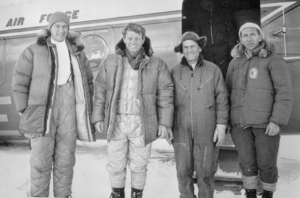
But his legacy stretched far beyond that single climb.
He helped transform REI from a small co‑op into a national outdoor powerhouse, championed the protection of wild places long before environmentalism was mainstream, and used his voice to safeguard some of America’s most cherished landscapes.
At the height of his fame
He also believed deeply in people — in connection, in shared struggle, and in what happens when we face challenges together.
“Jim was a lifelong advocate for peace and believed deeply in the ability of shared challenges in the natural world to unite people across borders and ideologies,” his family said.
Even at the peak of his fame, Whittaker stayed grounded in what mattered most: the mountains, his family, and the quiet lessons found in both.
One of his proudest achievements had nothing to do with records. In 1981, he led a group of disabled climbers up Mount Rainier — an experience he later described with simple clarity: for them, “that was Mount Everest.”
He understood something many never do — that the real summit isn’t always the highest point on Earth, but the one that changes you.
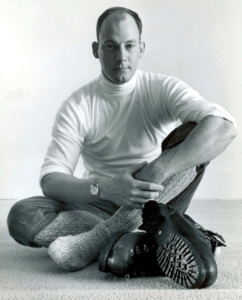
After a lifetime spent confronting some of the world’s most dangerous peaks, Whittaker once shared a surprisingly ordinary wish:
“Die in my sleep with the television on.”
There’s something profoundly human in that — a reminder that even the boldest lives return to the simplest endings.
He leaves behind his wife of 52 years, his children, grandchildren, and a legacy that stretches far beyond climbing.
Because Jim Whittaker didn’t just conquer mountains.
He lifted people.
And in many ways, he still does.