Nobody Knew What This Strange Glass Dumbbell Was
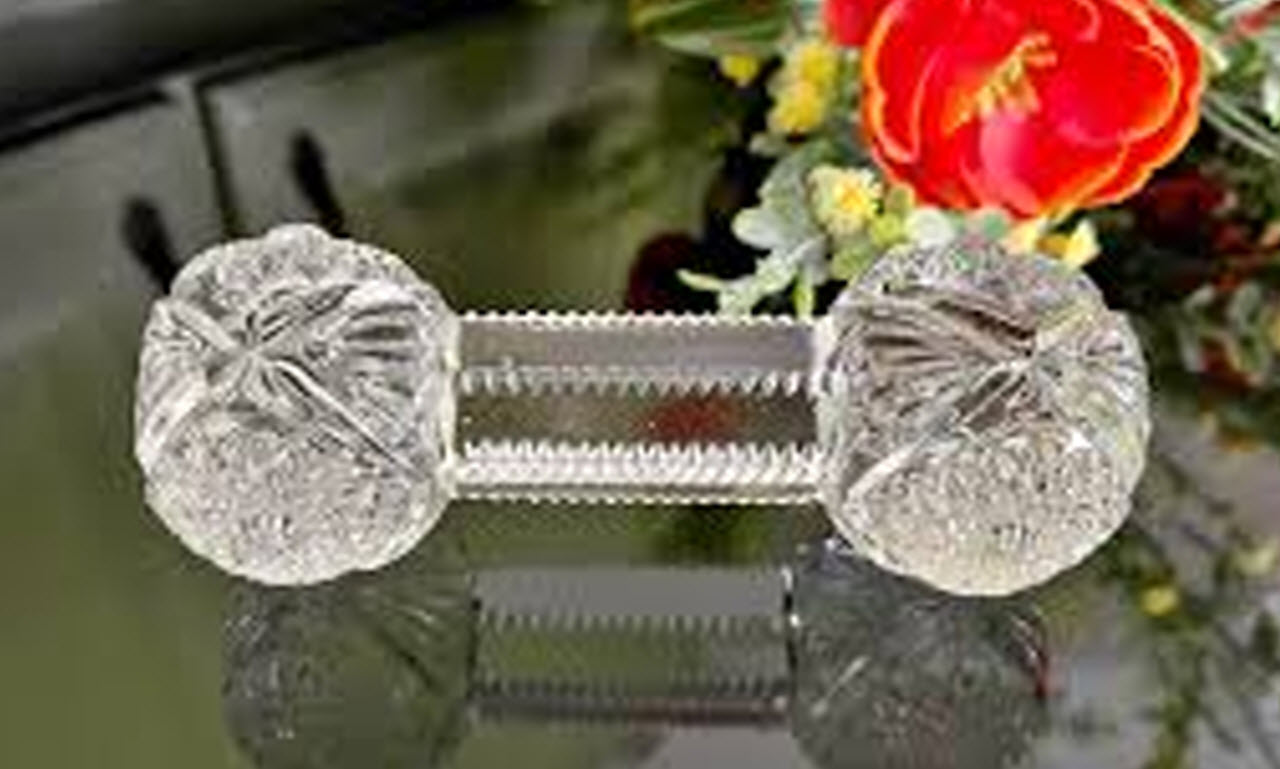
Every so often, one encounters an object that defies immediate recognition, prompting a moment of profound, if minor, cognitive dissonance. This sensation—the sudden, unsettling realization that something clearly intentional makes absolutely no sense—is a surprisingly common human experience. What begins as a simple, harmless puzzle quickly evolves into a deeper inquest. One starts to wonder not merely about the item’s function, but about the invisible customs, the daily habits, and the long-gone world in which this object was once a standard component of life.
This precise intellectual curiosity was recently ignited in a modern kitchen. A visitor, while at their in-laws’ home, noticed a small, peculiar item nestled among familiar butter dishes. The object was deliberately shaped and clearly designed for a purpose, yet it bore no resemblance to any recognized contemporary kitchen utensil. It lacked the necessary geometry to scoop, slice, or spread. It appeared decorative but carried an air of forgotten functionality. Furthermore, no one currently living in the house could adequately explain its presence or origin, rendering it a profound anomaly within a collection of recognizable modern tools.
The irresistible pull of curiosity eventually prevailed. The finder carried the mystery online, sharing detailed photographs and soliciting assistance from the vast, communal knowledge base of the Internet. As is often the case in such digital forums, the initial guesses were quick, creative, and wide-ranging. Speculation included everything from novelty items—one user jested that it appeared to be a bone intended for a glass dog—to children’s toys and elaborate trinkets. A particularly amusing, yet wholly unconvincing, theory proposed the object might be a “baby dumbbell.”
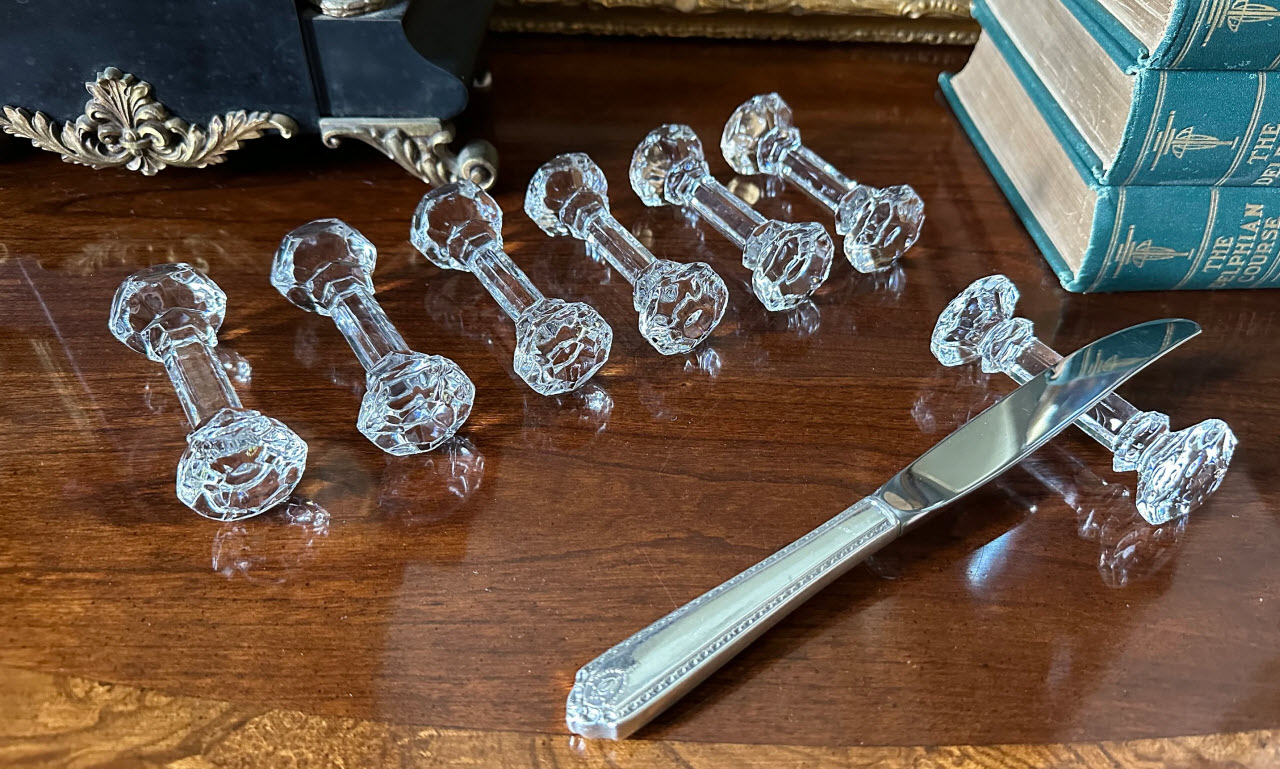
The actual answer, however, was far more historically grounded, transporting the inquiry back more than a century. The puzzling item was identified as a knife rest, a specific dining accessory dating back to an era of elaborate formal meals.

In a time when formal dining was a common social ritual and table settings were intricate works of art, knife rests served a distinctly practical, yet highly specific, purpose. After using a knife, the diner would place it across the rest, ensuring that the blade and any residual sauces or food residue would be kept elevated off the fine linen tablecloth or the polished table surface. This simple addition was a critical tool in maintaining the cleanliness and pristine presentation of the dining environment.
Understanding its function instantly adds a layer of appreciation for the customs of the past. The knife rest was not necessarily a flashy or structurally essential piece, but its very existence reflected a level of detailed care and deliberate intention that defined the formal meals of yesteryear. The dining table was not just a surface for consuming food; it was a carefully curated space governed by ritual, etiquette, and meticulous presentation. Within this framework, every single item had a designated role, and even the small act of setting down a knife required a dedicated solution.
One individual who recognized the object immediately shared an ancestral connection, noting that her grandmother owned a collection of similar knife rests. According to her account, these items were meticulously brought out specifically for elegant dinners, particularly when guests were invited. Their mere presence at the table was a subtle signal of effort, refined hospitality, and adherence to tradition—a tradition that placed as much emphasis on manners and the shared, communal experience as it did on the food itself.
Over the passage of time, such customs and traditions have quietly receded. Shifts in lifestyle, the adoption of faster-paced meals, and the move toward significantly simpler table settings gradually rendered items like the knife rest obsolete. They were not actively replaced; they were simply forgotten. What was once a normal, ubiquitous piece of dining ware now appears strange, even humorous, to the modern observer.
The brief period of confusion surrounding this small, perplexing object powerfully highlights the swiftness with which common, everyday practices can disappear entirely. What is considered obvious and essential in one generation can rapidly become an inexplicable mystery in the next. Tools that once held clear meaning lose their context, transforming into mere curiosities relegated to the back of cabinets and dusty drawers.
We are living in a world defined by constant acceleration and change, often moving so quickly that we barely register the traditions and items that are quietly left behind. Some changes unequivocally bring convenience and efficiency, but others inadvertently erase the smaller, thoughtful traditions that once shaped the minutiae of daily life. At least now, upon encountering this small, puzzling relic, there is clarity. It is neither a child’s toy nor an inside joke. It is a powerful, tangible reminder of how people once formally gathered, dined, and cared deeply about the most minute details of shared experience.