The Dignity of Labor: How a Graduation Speech Redefined “Trash” for a Whole City
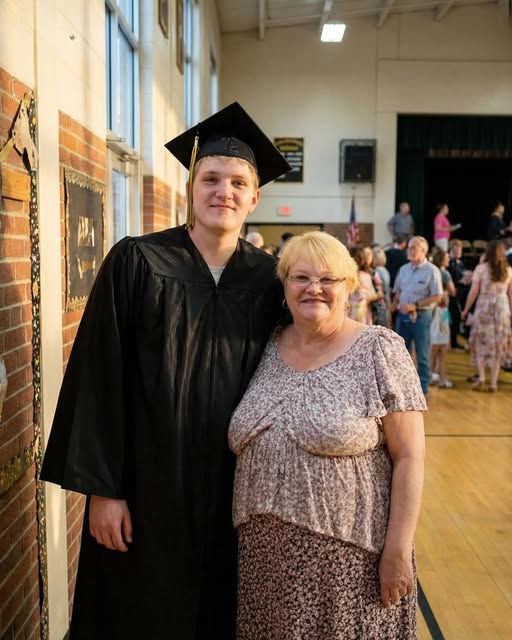
For eighteen years, Liam’s life was defined by the scent of diesel and the stigma of his mother’s occupation as a local garbage collector. Originally a nursing student with a bright future, his mother’s life took a drastic turn after Liam’s father suffered a debilitating construction accident and eventually disappeared, leaving the family buried in medical debt. To survive, she took the only job available, becoming known to the neighborhood as “the trash lady.” Liam grew up in the shadows of this reputation, enduring years of cruel taunts from classmates who pinched their noses as he walked by and whispered that his lunch must have come from a dumpster. He learned to survive by making himself invisible, never letting his exhausted, hardworking mother know that her “honest work” had made him a social pariah.
Despite the relentless mockery, Liam’s mother never wavered in her commitment to his future, working double shifts and holidays to ensure he never missed a meal or a parent-teacher meeting. She lived by a simple, powerful philosophy: “There’s no such thing as dirty work, only honest work.” Liam watched her collapse into sleep at the kitchen table with her boots still on, yet she always woke up at 4 a.m. with a smile, determined to keep the city clean and her son provided for. This quiet resilience became Liam’s lifeline, fueling a secret plan he had been refining for years—a way to finally return the “trash” his classmates had been heaping on him for over a decade.
The climax of their struggle arrived on graduation day when Liam, selected to give the commencement speech, stood before the very people who had spent years making him feel worthless. He began with a piercing observation: “My mom has been picking up your trash for years—so today, I’m here to return something you all threw away.” He went on to list the kindness, empathy, and respect his peers had discarded in favor of judgment. The room fell into a stunned, heavy silence as he defended his mother’s dignity, highlighting that she had cleaned up after their worst days while maintaining her own honor. He concluded with the sentence that brought the entire auditorium to tears:
“My mom didn’t raise trash. She raised me.”
The aftermath of the speech was transformative, sparking a thunderous standing ovation and a flood of sincere apologies from former bullies. The city officials in attendance, moved by his courage and his mother’s sacrifice, provided Liam with a scholarship he had never even applied for, paving his way to study environmental engineering. Liam now plans to design better waste systems to make the job his mother still performs safer and more efficient. His story serves as a profound reminder that “trash” isn’t what we throw away in a bin, but rather how we treat people when we think no one is watching. Today, when Liam’s mother drives her route, the neighborhood no longer looks away; they wave and offer the thanks that she earned through years of silent, dignified labor.