The Gentle Giant: Why You Should Stop Swatting the Crane Fly
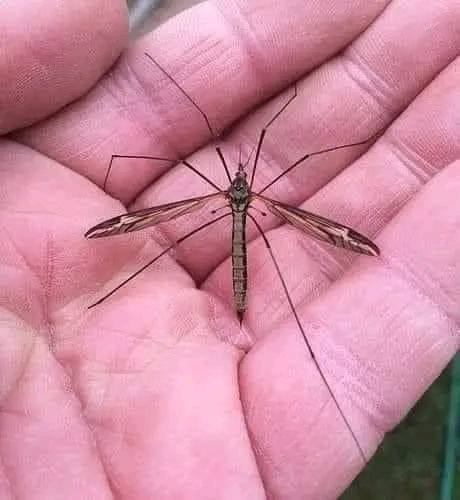
It’s a scene played out in living rooms every summer: a spindly, oversized insect bounces clumsily against the ceiling. Someone shouts, “Giant mosquito!” and out comes the rolled-up magazine. Within seconds, a harmless visitor is gone.
If that insect could speak, it would have a simple plea: “I’m not the monster you think I am.”
Myth vs. Reality: The “Vampire” That Isn’t.
The crane fly (Tipulidae) suffers from one of the worst cases of mistaken identity in the animal kingdom. Because of its long legs and erratic flight, it is frequently labeled a “Mosquito Hawk” or a “Giant
Mosquito.”However, the truth is far less threatening:

They don’t bite: Crane flies do not have the mouthparts to pierce skin. They couldn’t suck your blood even if they wanted to.
They aren’t “Mosquito Hawks”: Despite the nickname, adult crane flies don’t actually hunt mosquitoes. In fact, many adult crane flies don’t eat at all during their brief lives.
They are pollinators: Those that do feed strictly consume flower nectar. By moving from bloom to bloom, they help pollinate the plants in your garden, playing a vital role in the ecosystem.
A Life of Service, Not Scares
The crane fly is a “clumsy” flyer for a reason—it’s not built for combat or stealth. Its entire adult life lasts only a few days, dedicated solely to finding a mate and continuing the cycle of life.
When you see one in your home, it’s not there to scout a meal; it’s likely just lost, attracted by your porch light or an open window. Instead of being a danger, they serve as a crucial food source for birds, bats, and frogs.