The Meaning Behind License Plates with a Gold Star
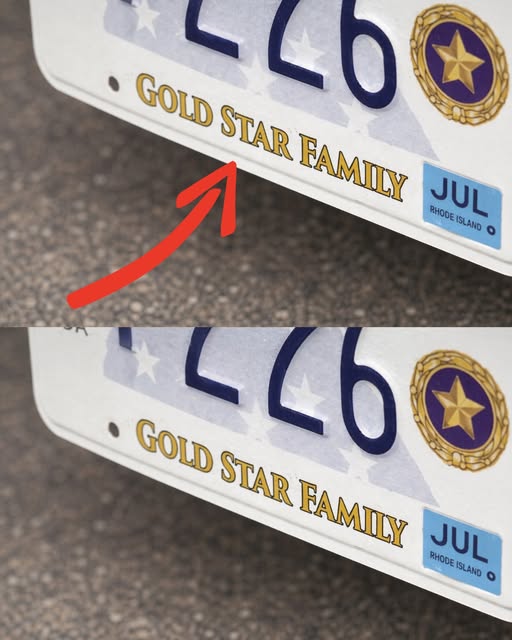
When driving through your local neighborhoods or along highways, you may have noticed certain vehicles with unique license plates featuring a gold star. If you’re like most people, you probably thought of it as just another decorative detail or perhaps a personalized feature that some car owners like to use. However, the gold star on a license plate holds deep significance. It’s not just a design, it’s a powerful symbol that carries with it a weighty and profound meaning.
A Gold Star license plate signifies a family member’s sacrifice in the line of military duty. It’s a somber reminder of the cost of freedom, the price paid by brave men and women who served their country. But how did this tradition come about, and what does it mean for the families who proudly display these plates? Let’s take a deeper dive into the Gold Star symbol, its historical roots, and the significance it holds for those who have lost loved ones in service to the country.
A Symbol of Sacrifice
A Gold Star on a license plate represents much more than a decorative touch. It is a solemn emblem that signifies a tragic yet heroic sacrifice made by a service member. The star tells the story of a fallen hero, someone who gave their life while serving in the military, protecting the values of freedom and liberty. It is a symbol of enduring love, loss, and pride—a poignant reminder that behind every military casualty is a family that bears the emotional weight of the sacrifice.
In the United States, the tradition of the Gold Star is tied directly to Gold Star Families, a group made up of the families of those who have died in service to the nation. Whether the fallen hero is a mother’s child, a father’s son, or a spouse’s partner, the Gold Star signifies not just the loss, but also the recognition of the sacrifice made by these military personnel.
The History of the Gold Star
The history of the Gold Star and its symbolic significance goes back over a century. It is deeply connected to the Blue Star program, a tradition that started during World War I.

In 1917, Army Captain Robert L. Queisser, of the Ohio 5th Infantry, introduced the Blue Star Service Banner. The banner featured a white background with a red border and one or more blue stars. Each blue star represented a family member who was actively serving in the military. Captain Queisser’s two sons were serving at the front lines during World War I, and he created the banner as a way to honor them, as well as other families with members who were fighting in the war.
At first, these banners were displayed in windows of homes, businesses, and schools across Ohio, symbolizing public support for military personnel. The blue star became a symbol of pride, patriotism, and the hope that all service members would return home safely.
By September 1917, the Blue Star Service Banner was officially recognized in the Ohio Congressional Record. It became a widely accepted tradition, spreading across the country and showing the nation’s collective support for soldiers.
However, as the war ended and families began to face the harsh reality that not all soldiers would return home, the need to honor those who paid the ultimate price became increasingly apparent.
The Birth of the Gold Star
It wasn’t long before the Gold Star came into being to represent a different, much more somber type of sacrifice. In 1918, the Women’s Committee of the Council of National Defense proposed a new way to honor the families of fallen soldiers. Their proposal was simple but deeply impactful: mothers of fallen soldiers would wear a black armband with a gold star to signify their grief and honor the sacrifices of their sons and daughters.
The suggestion gained widespread support and was endorsed by President Woodrow Wilson on May 28, 1918. The gold star now became a symbol of grief, but also of pride—a tribute to a life given in service to the country.
As time went on, this practice became more formalized. In 1928, a group of mothers whose children had died in World War I traveled to Washington, D.C., to officially establish the American Gold Star Mothers, Inc. These women had been wearing their gold-star armbands for years, and they sought to formalize this gesture of remembrance and honor. Their work was instrumental in making the Gold Star a national symbol of military sacrifice.
The Formation of Gold Star Mothers, Inc.
The American Gold Star Mothers, Inc., founded in 1928, became the official organization for mothers who had lost children in service to the United States. The formation of this group represented the beginning of an organized movement to ensure that the sacrifices of fallen service members would never be forgotten.
This organization was designed to provide a supportive community for mothers who had lost children in service to the military, and it played a crucial role in making sure that Gold Star Mothers were publicly recognized for their sacrifice. Over time, the organization became an important part of U.S. military history, not only as a support group for grieving families but also as a symbol of collective national remembrance.
Gold Star Mother’s Day: A Day of Recognition
In 1936, the United States Congress declared the last Sunday of September to be Gold Star Mother’s Day—a day set aside to honor and remember mothers who had lost children in military service. This day serves as a reminder of the sacrifices made by Gold Star families and ensures that their grief is acknowledged by the country.
Gold Star Mother’s Day is marked by ceremonies, memorial services, and various events across the nation, where families, veterans, and communities come together to honor the memory of the fallen. For Gold Star Mothers, this day is both painful and proud—painful because of the irreparable loss, but proud because it acknowledges the extraordinary courage and strength they showed in raising children who became heroes.
The significance of Gold Star Mother’s Day lies in the ability of these mothers to carry on their loved ones’ legacies and in the public recognition of their sacrifices. The Gold Star emblem serves as a permanent symbol of national mourning and gratitude.
Applying for a Gold Star on a License Plate
Now that we understand the historical context behind the Gold Star symbol, you may be wondering: how can families honor their fallen service members through a Gold Star license plate?
In the United States, many states offer special Gold Star license plates for the families of fallen service members. The process and eligibility requirements vary from state to state, but generally, the following family members are eligible to apply for a Gold Star license plate:
Mothers: Gold Star Mothers are the most common recipients of Gold Star license plates.
Fathers: In some states, fathers are also eligible for the Gold Star designation.
Spouses: Many states allow spouses of fallen service members to apply for the plate.
Siblings: In certain states, siblings of the fallen can apply for the Gold Star plate.
Grandparents: Some states even extend eligibility to grandparents, recognizing that the family unit extends beyond the immediate family.
Each state has its own application process, and it typically involves providing proof of the fallen service member’s military service and their death in service. The application may require additional documentation, such as a death certificate or military discharge papers.
The Gold Star license plate serves as both a personal tribute and a public reminder of the sacrifice that a family has made. For the families who display these plates, it’s a way of ensuring that their loved one’s legacy is never forgotten.
The Emotional Significance of the Gold Star License Plate
For families of the fallen, the Gold Star license plate carries a deep emotional significance. It’s not just about a piece of metal on the back of a vehicle—it’s about honoring a life cut short, preserving the memory of a son, daughter, spouse, or sibling who gave everything for their country. Every time the license plate is seen, whether in a parking lot, on the road, or at a memorial event, it’s a silent but powerful tribute to the life and sacrifice of the military service member.
For many Gold Star families, the plate is a badge of honor, a way to proudly display the legacy of their fallen loved one while simultaneously raising awareness about the sacrifices made by military families across the nation. It serves as a reminder not only of the loss but of the ongoing grief that Gold Star families endure. It stands as a symbol of pride in their loved one’s service, while also acknowledging the pain that their absence leaves.
Conclusion: A Symbol of Pride and Honor
The Gold Star license plate represents much more than just a symbol on a car. It carries with it the weight of sacrifice, the love of a family, and the grief of loss. From its origins in the Blue Star program to its evolution into a nationally recognized emblem of sacrifice, the Gold Star is a symbol that transcends time and connects us to the very heart of what it means to serve and protect.
As we pass by vehicles displaying these plates, we should remember the deep meaning behind them. These families carry the weight of their loved ones’ sacrifices every day, and the Gold Star serves as a reminder to us all of the costs of freedom and the enduring legacy of those who serve in the military.