Why You Should Never Leave a Charger in an Outlet Without Your Phone!
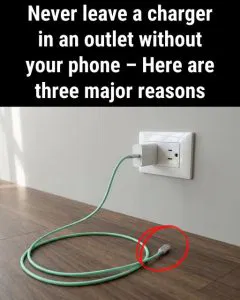
It seems harmless—plugging your charger into the wall and leaving it there, even when your phone isn’t connected. Many people do it every day without a second thought. But this small habit can quietly create problems you may not expect. From hidden safety risks to wasted energy and shortened charger lifespan, leaving a charger plugged in without a phone is a mistake worth reconsidering.
1. It Still Draws Power
Even when no device is attached, a charger continues to draw a small amount of electricity. This is known as phantom power or vampire energy. While the amount used by a single charger may seem insignificant, over time—and multiplied across multiple chargers in a home—it adds up. This unnecessary energy consumption contributes to higher electricity bills and increased strain on power resources.
2. Increased Fire Risk
Chargers are electrical devices, and any device connected to a power source carries some level of risk. Poor-quality chargers, damaged cables, or overheating outlets can become dangerous when left plugged in for long periods. Without a phone attached to absorb and regulate the current, some chargers may overheat, increasing the risk of electrical fires—especially in older homes or when plugged into power strips.
3. Shortens the Charger’s Lifespan
Leaving a charger plugged in continuously causes internal components to stay under constant electrical stress. Over time, this can degrade the circuitry inside the charger, making it less efficient or causing it to fail unexpectedly. That’s often why chargers stop working “for no reason”—they’ve simply been worn down by constant power exposure.
4. Greater Risk of Electrical Surges
Power surges can happen unexpectedly due to storms, faulty wiring, or grid fluctuations. A charger left plugged into an outlet is vulnerable to these surges, which can permanently damage it or even send a shock through connected power strips. Unplugging chargers when not in use adds an extra layer of protection for both your charger and your home.

5. Safety Around Children and Pets
Loose, plugged-in chargers can be tempting for children and pets. Chewing on cables, pulling chargers from outlets, or touching exposed ends increases the risk of electric shock or injury. Unplugging chargers when not in use helps create a safer environment—especially in bedrooms and living spaces.
The Simple Habit That Makes a Big Difference
Unplugging your charger when your phone isn’t connected takes just a second, but it can reduce energy waste, lower safety risks, and help your charger last longer. It’s a small change with surprisingly big benefits—for your wallet, your home, and your peace of mind.
Next time you unplug your phone, take one extra step and unplug the charger too. Your future self—and your home—will thank you.