Yellow Drips on Bathroom Walls? Here’s What They Could Mean and How to Fix Them
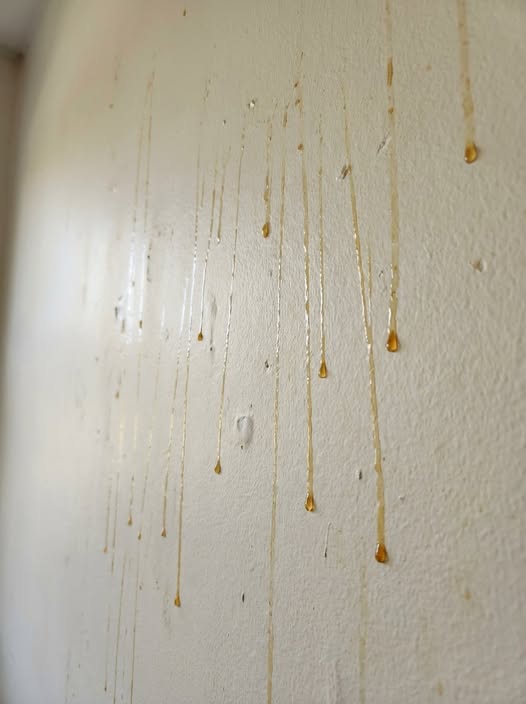
If you’ve ever noticed strange yellow streaks running down your bathroom walls, you’re not alone—and you’re definitely not the first person to feel concerned about it.
For many people, unusual marks in damp areas like bathrooms immediately raise one big question: Is this mold?
That thought alone can be enough to cause worry, especially if you’ve had previous experiences dealing with buildup, stains, or other hard-to-clean issues in humid spaces.
Bathrooms naturally create the perfect environment for moisture-related problems. Between hot showers, steam, and limited airflow, it doesn’t take much for residue or buildup to appear over time. And while regular cleaning helps, most people simply don’t have the time to scrub walls every single day.
So when something unusual—like yellow liquid or streaks—starts showing up, it’s worth understanding what might be causing it and what you can do about it.

Let’s break it down in a clear, simple way.
Why Bathroom Walls Are Prone to Buildup
Bathrooms are one of the most moisture-heavy areas in any home. Every time you take a hot shower, steam rises and settles on walls, ceilings, and fixtures. This moisture doesn’t always dry quickly, especially if ventilation is limited.
Over time, this creates a thin layer of residue made up of water minerals, soap particles, dust, and even airborne substances. When combined with humidity, these elements can stick to surfaces and slowly build up.
That’s why bathrooms are more likely to develop stains, streaks, or discoloration compared to other rooms.
Even if you clean regularly, small amounts of buildup can accumulate gradually—eventually becoming visible.
What Could the Yellow Dripping Be?
If you’re seeing yellow streaks or drips on your bathroom walls, there isn’t just one possible explanation. Several common causes could be responsible, and identifying the right one is key to fixing the issue properly.
1. Residue from Past Smoking
One of the most common causes—especially in older homes—is leftover nicotine residue.
If someone previously smoked indoors, tiny particles from smoke can settle on walls and ceilings. Over time, these particles build up and soak into painted surfaces.
When humidity increases, such as during a hot shower, that residue can reactivate and begin to drip down the walls, creating yellow or brownish streaks.
Even if you don’t smoke, this can still happen if the home had past exposure.
2. Soap and Mineral Deposits
Another very common explanation is a mix of soap residue and minerals from hard water.
Every time water splashes onto walls—especially near sinks, showers, or tubs—it leaves behind small amounts of soap and dissolved minerals like calcium and magnesium.
As water evaporates, these substances remain on the surface. Over time, they can build up and form visible streaks or stains, often with a yellowish tint.
This is especially noticeable in homes with hard water.
3. Mold or Mildew in Early Stages
While mold is often associated with dark spots, some types can appear lighter in color, including yellow tones—particularly in early growth stages.
Bathrooms provide ideal conditions for mold due to constant moisture and warmth. If surfaces stay damp for extended periods, mold or mildew can begin to develop.
In some cases, what looks like a yellow drip could actually be a form of microbial growth mixed with moisture.
That’s why it’s important not to ignore these signs, even if they seem minor at first.
4. Paint Breakdown or Oxidation
Sometimes, the issue isn’t external at all—it’s the paint itself.
Certain types of paint can react to moisture and humidity over time. This process, often referred to as oxidation or degradation, can cause discoloration or even streaking.
In high-moisture environments, older paint may begin to break down, leading to yellowish drips or uneven patches on the wall.
This is more likely if the bathroom wasn’t painted with moisture-resistant materials.
Why It’s Important to Identify the Cause
Not all yellow stains are harmful—but some can signal underlying issues that shouldn’t be ignored.
For example:
Simple mineral deposits are mostly cosmetic
Nicotine residue may require deeper cleaning or sealing
Mold or mildew may need prompt attention to prevent spread
Paint issues may require repair or repainting
Understanding the cause helps you choose the right cleaning method and avoid unnecessary damage to your walls.
How to Clean Yellow Stains Safely
Once you have a general idea of what might be causing the issue, you can begin cleaning using simple, safe methods.
For General Residue or Unknown Causes
Start with a gentle solution:
Warm water mixed with mild dish soap
Use a soft sponge or cloth
Gently wipe the affected area
This works well for light buildup and is safe for most painted surfaces.
For Nicotine or Stubborn Stains
Try a stronger but still safe solution:
Mix equal parts water and white vinegar
Add a small amount of baking soda for extra cleaning power if needed
Apply gently and avoid scrubbing too hard, as this could damage paint.
For Soap Scum and Hard Water Deposits
A simple vinegar solution works well here too:
Spray the area lightly
Let it sit for a few minutes
Wipe clean with a damp cloth
Repeat if necessary for buildup that has accumulated over time.
For Possible Mold or Mildew
If you suspect mold:
Use a diluted cleaning solution designed for bathroom surfaces
Ensure proper ventilation while cleaning
Wear gloves for protection
Avoid mixing different cleaning products, and always follow safety guidelines.
For Paint-Related Issues
If cleaning doesn’t resolve the problem, repainting may be necessary.
Before repainting:
Clean and dry the surface thoroughly
Use a stain-blocking primer
Choose moisture-resistant paint designed for bathrooms
This helps prevent future discoloration.
How to Prevent Yellow Streaks in the Future
Prevention is often easier than repeated cleaning. A few simple habits can make a big difference.
Improve Ventilation
Good airflow is one of the most effective ways to reduce moisture buildup.
Use an exhaust fan during and after showers
Open a window if possible
Allow steam to escape quickly
Wipe Down Surfaces Regularly
You don’t need to deep-clean daily, but a quick wipe can help:
Focus on walls near showers and sinks
Remove moisture before it settles
Use a Dehumidifier if Needed
If your bathroom stays humid for long periods, a small dehumidifier can help reduce excess moisture.
Clean Consistently
A regular cleaning routine—weekly or biweekly—helps prevent buildup from becoming visible or difficult to remove.
Choose the Right Paint and Materials
If you’re renovating or repainting:
Use bathroom-specific paint
Look for moisture-resistant or mildew-resistant options
When to Consider Professional Help
In most cases, yellow streaks can be handled with simple cleaning and maintenance.
However, you may want to seek professional help if:
The stains keep returning quickly
The affected area is large or spreading
There are signs of deeper moisture issues behind walls
You suspect persistent mold growth
A professional can assess the situation and recommend the best long-term solution.
Final Thoughts
Seeing yellow drips or streaks on your bathroom walls can be surprising—and sometimes concerning—but in many cases, the cause is manageable and not as serious as it may seem at first.
From mineral deposits and soap residue to older paint or past environmental exposure, there are several possible explanations. The key is identifying the cause and taking the right steps to clean and prevent it.
Bathrooms naturally deal with more moisture than any other room in the home, so a little buildup over time is normal. With consistent care, proper ventilation, and simple cleaning habits, you can keep your space looking clean, fresh, and comfortable.
Most importantly, staying informed helps you respond calmly instead of reacting with unnecessary worry.
A clean and well-maintained bathroom doesn’t require perfection—just awareness, routine care, and the right approach when something unusual appears.
Uncategorized
Post navigation