6 Types of Warts: Signs, Symptoms, Home Remedies, and Treatment
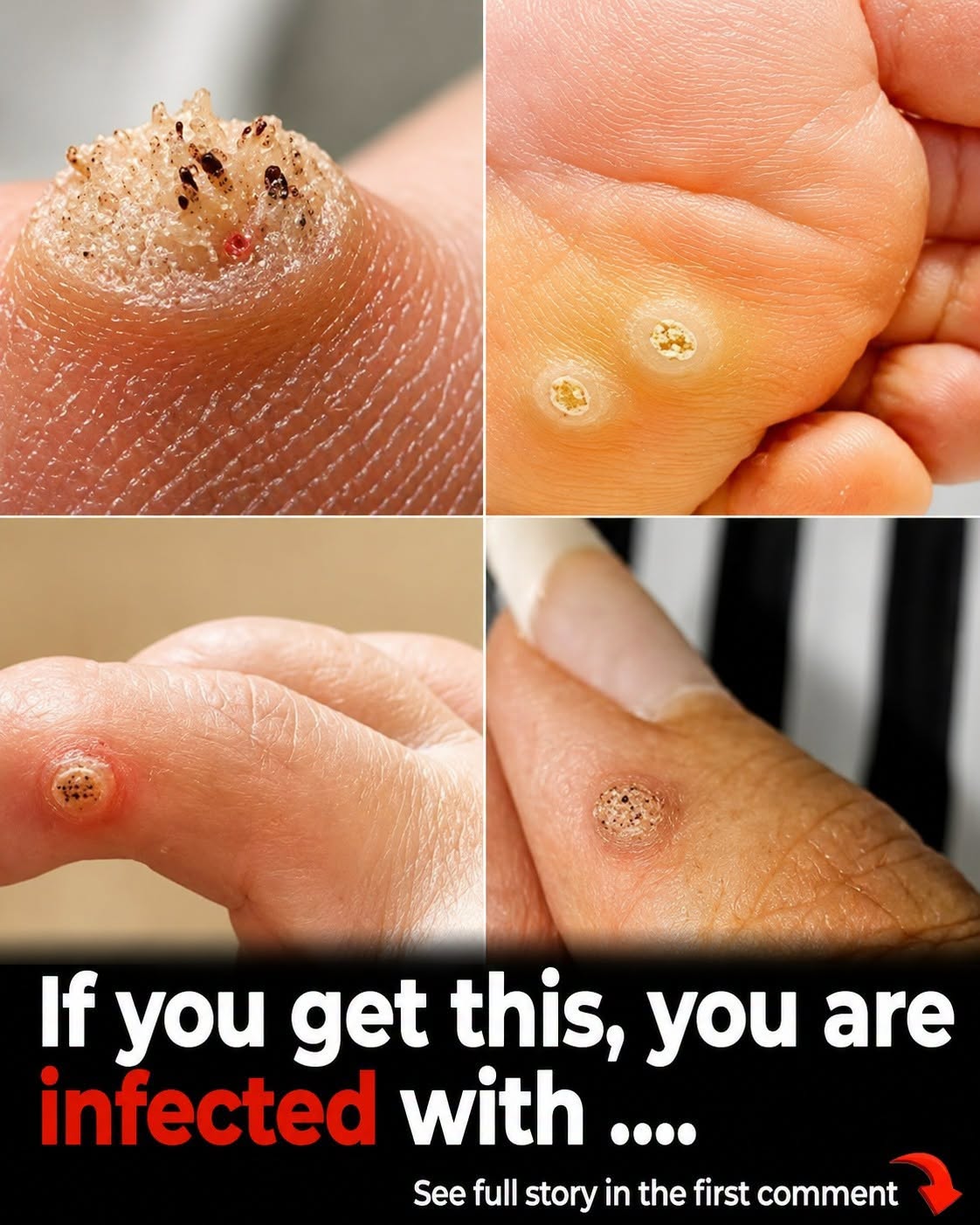
Let me tell you about the first time I found a wart.
I was a teenager, and a small, rough bump had appeared on my thumb. I had no idea what it was. I picked at it (bad idea), tried to cut it off (worse idea), and spent days worrying that it might be something serious.
It was just a wart. A common, harmless, annoying little thing that eventually went away on its own.
But I didn’t know that at the time. I didn’t know what warts were, why they appeared, or how to treat them. I just knew I wanted it gone.
Now, after years of research and personal experience, I know that warts are common, manageable, and—most importantly—not something to panic about.

Here’s everything you need to know about the 6 types of warts, how to treat them at home, and when to call the doctor.
🔬 The Science: What Exactly Is a Wart?
Before we look at the types, it helps to know what causes them.
Warts are not a sign of aging, and they aren’t caused by touching frogs! They are caused by the Human Papillomavirus (HPV) . There are over 100 different strains of HPV, and different strains cause different types of warts.
When this virus enters the top layer of your skin (usually through a tiny scratch or cut), it causes the skin cells to multiply rapidly. This overproduction of keratin (the hard protein that makes up your skin, hair, and nails) creates the rough, hard bump we call a wart.
Because they are viral, they can be contagious, which is why you should never pick at them! They can spread to other parts of your body or to other people.
The 6 Types of Warts (And How to Identify Them)
1. Common Warts (Verruca Vulgaris)
What they look like: Rough, grainy bumps with a cauliflower-like surface. They’re typically grayish, brownish, or flesh-colored. They often have tiny black dots on the surface—these are actually clotted blood vessels.
Where they appear: Most commonly on fingers, hands, and around nails. They can also appear on knees and other areas that are frequently scraped or exposed.
Who gets them: Anyone can get them, but they’re more common in children and young adults.
Symptoms: Usually painless, but they can be tender if they’re in a spot that gets bumped or rubbed.
Treatment: Over-the-counter salicylic acid treatments, freezing kits, or doctor-administered treatments like cryotherapy or laser removal.
Home remedies: Covering with duct tape has some anecdotal support. Apple cider vinegar compresses are also popular, though evidence is mixed.
When to see a doctor: If they’re painful, growing, spreading, or resistant to home treatment.
2. Plantar Warts (Verruca Plantaris)
What they look like: Hard, grainy growths on the soles of the feet. They can look like calluses, but they often have small black dots on the surface. Unlike calluses, they grow inward because of the pressure of walking.
Where they appear: On the heels, balls of the feet, or toes.
Who gets them: Anyone, but they’re more common in people who walk barefoot in public places (like locker rooms and swimming pools).
Symptoms: Painful when standing or walking. They can feel like you’re stepping on a small stone.
Treatment: Salicylic acid patches, freezing kits, or professional treatments like cryotherapy, laser therapy, or surgical removal.
Home remedies: Over-the-counter treatments are effective, but professional treatment may be needed for large or painful warts.
When to see a doctor: If they’re painful, spreading, or not responding to home treatment.
3. Flat Warts (Verruca Plana)
What they look like: Small, smooth, flat-topped bumps that are slightly raised. They’re typically flesh-colored, pink, or yellowish. They’re much smaller than other warts.
Where they appear: On the face, neck, arms, legs, and the backs of hands. In men, they often appear on the beard area. In women, they can appear on the legs.
Who gets them: Children and young adults most commonly. Can also be spread by shaving.
Symptoms: Usually painless. They can be itchy or irritated.
Treatment: Over-the-counter treatments, prescription creams, or cryotherapy.
Home remedies: Be careful with facial warts—don’t use harsh treatments on sensitive skin.
When to see a doctor: If they’re spreading, on the face, or resistant to treatment.
4. Filiform Warts
What they look like: Long, narrow, finger-like projections. They look like tiny stalks or threads.
Where they appear: On the face, especially around the eyes, nose, and mouth. Also on the neck.
Who gets them: Anyone.
Symptoms: Painless, but can be irritating if they’re rubbed by clothing or glasses.
Treatment: Professional treatment is recommended because they’re in sensitive areas. Cryotherapy, laser therapy, or surgical removal.
Home remedies: Don’t attempt home treatment for warts on the face. See a doctor.
When to see a doctor: Always see a doctor for warts on the face.
5. Periungual Warts
What they look like: Irregular, rough, cauliflower-like growths that appear around the nails. They can cause the nail to lift or become deformed.
Where they appear: Around fingernails and toenails.
Who gets them: Anyone, but they’re more common in people who bite their nails or pick at their cuticles.
Symptoms: Can be painful, especially if they grow under the nail.
Treatment: Professional treatment is recommended. They can be difficult to treat and may require multiple sessions.
Home remedies: Be careful—they can damage the nail bed. See a doctor.
When to see a doctor: Always see a doctor for warts around the nails.
6. Genital Warts
What they look like: Small, flesh-colored, pink, or gray bumps in the genital area. They can be flat or raised, single or clustered.
Where they appear: On the genital area, anus, and inner thighs.
Who gets them: People who are sexually active.
Symptoms: Usually painless, but can be itchy, uncomfortable, or bleed during sex.
Treatment: Prescription treatments, cryotherapy, laser therapy, or surgical removal. There is also a vaccine that prevents most genital warts.
Home remedies: Do not attempt home treatment for genital warts. See a doctor.
When to see a doctor: Always see a doctor for genital warts.
Prevention: How to Avoid Warts
You can’t always prevent warts, but you can reduce your risk.
Don’t walk barefoot in public places. Wear flip-flops in locker rooms, public showers, and around swimming pools.
Avoid direct contact with warts. If you or someone else has a wart, avoid touching it. Cover it with a bandage.
Don’t pick at warts. Picking can cause them to spread.
Keep your hands clean. Wash your hands regularly.
Don’t share personal items. Don’t share towels, razors, or nail clippers.
Consider the HPV vaccine. The HPV vaccine protects against the strains that cause most genital warts.
Home Remedies: What Works and What Doesn’t
I’ve tried almost every home remedy for warts. Here’s what actually works.
Over-the-counter treatments: Salicylic acid treatments are the most effective home option. They work by breaking down the wart tissue. Be patient—it can take weeks to see results.
Duct tape: Covering the wart with duct tape can help remove it over time. The theory is that it irritates the wart and triggers an immune response. Evidence is mixed, but it’s worth a try.
Apple cider vinegar: Soak a cotton ball in apple cider vinegar and apply it to the wart with a bandage. It may help break down the wart tissue. Some people swear by it; others say it doesn’t work.
Garlic: Some people apply crushed garlic to warts. It’s not very effective and can irritate the skin.
Vitamin C: Some claim that vitamin C or vitamin E oil can help. Evidence is limited.
Freezing kits: Over-the-counter freezing kits are available. They can be effective for common warts but less so for plantar warts.
The bottom line: Over-the-counter treatments are your best bet. If they don’t work, see a doctor.
When to See a Doctor
Most warts are harmless and will eventually go away on their own. But see a doctor if:
The wart is painful. Warts shouldn’t hurt.
The wart is bleeding. Warts shouldn’t bleed.
The wart is spreading. Especially if it’s spreading quickly.
The wart is on your face. This is especially important for sensitive areas.
You have multiple warts. Especially if they’re in clusters.
The wart is in your genital area. Always see a doctor.
The wart doesn’t respond to home treatment. If you’ve been treating it for weeks and it’s not improving, see a doctor.
You have a weakened immune system. People with weakened immune systems are more susceptible to warts and complications.
A Final, Reassuring Thought
When I first noticed that tiny bump on my thumb, I was worried. I didn’t know what it was. I didn’t know if it was dangerous. I didn’t know what to do.
Now I know that warts are common, harmless, and almost always treatable. They’re a normal part of having skin and being human.
I hope this guide helps you feel the same way. I hope it empowers you to take care of your skin, to know what to look for, and to understand when to treat something yourself and when to call a doctor.
Your skin tells a story about your health. Warts are just a small chapter in that story—one that’s easy to manage and nothing to fear.
Have you ever had a wart? How did you treat it—home remedies, over-the-counter treatments, or a visit to the doctor? Share your experience in the comments—I’d love to hear how you handled it!