A White Tongue May Reveal More About Your Health Than You Think
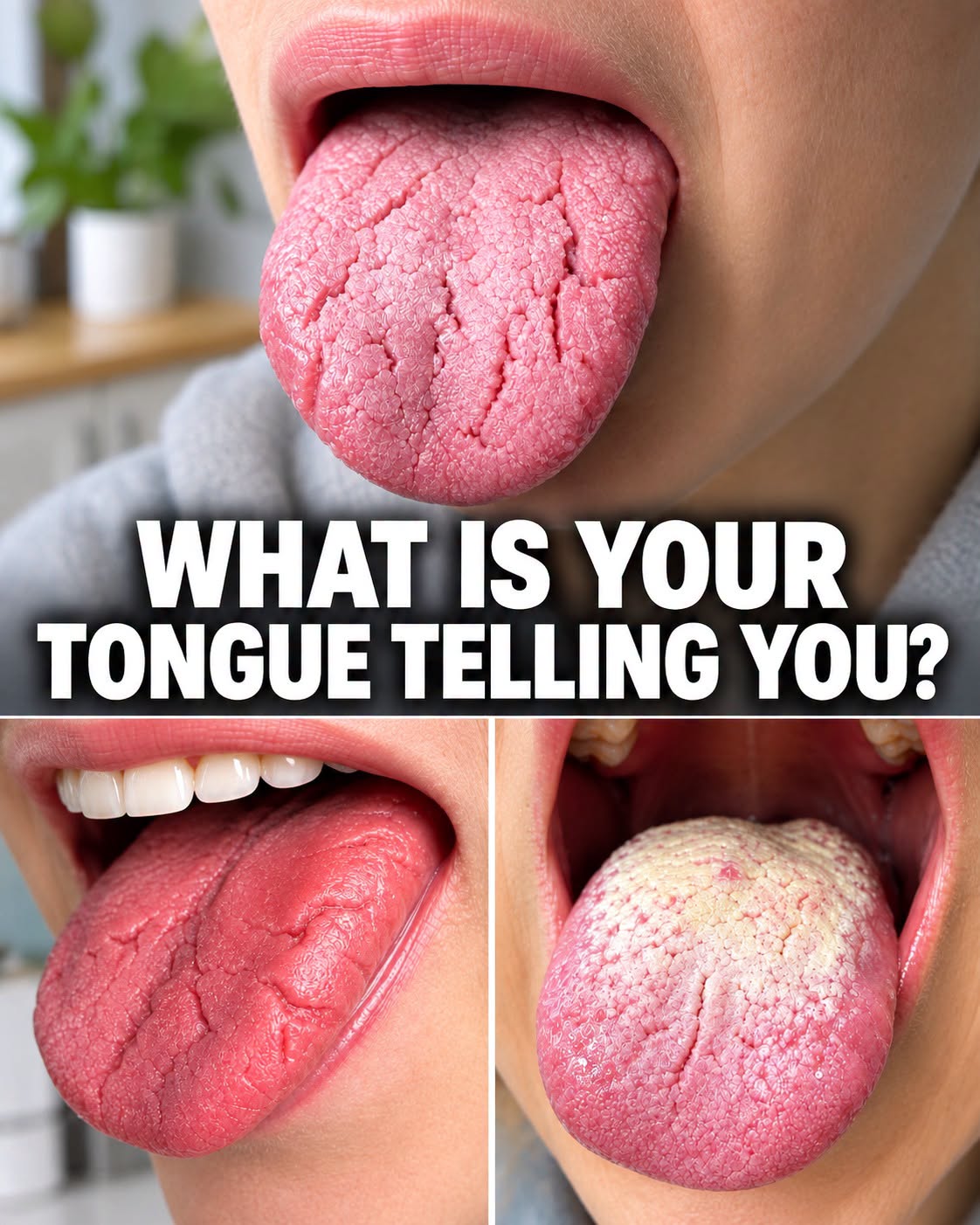
A white tongue is a description, not a diagnosis. Often, bacteria, dead cells, food particles, and mucus collect between the tongue’s tiny bumps, called papillae. Dehydration and reduced saliva overnight can make this coating more noticeable, especially if you breathe through your mouth. Smoking, alcohol, some medications, and temporary illnesses may contribute too. Drinking enough water, brushing regularly, and gently cleaning your tongue can help clear ordinary buildup and improve breath. Avoid forceful scraping, which can irritate delicate tissue.
What matters most is whether the appearance improves or persists. Arrange a dental or medical check if the coating lasts more than a few weeks, or sooner for painful patches, sores, redness, bleeding, or ongoing discomfort. Thick areas that resist gentle cleaning also deserve evaluation. Oral thrush and other conditions can require specific treatment. Most coatings are harmless, but lasting changes are best assessed rather than diagnosed from their appearance alone.