Baby Oil, Aspirin For Younger Looking Spotless Skin
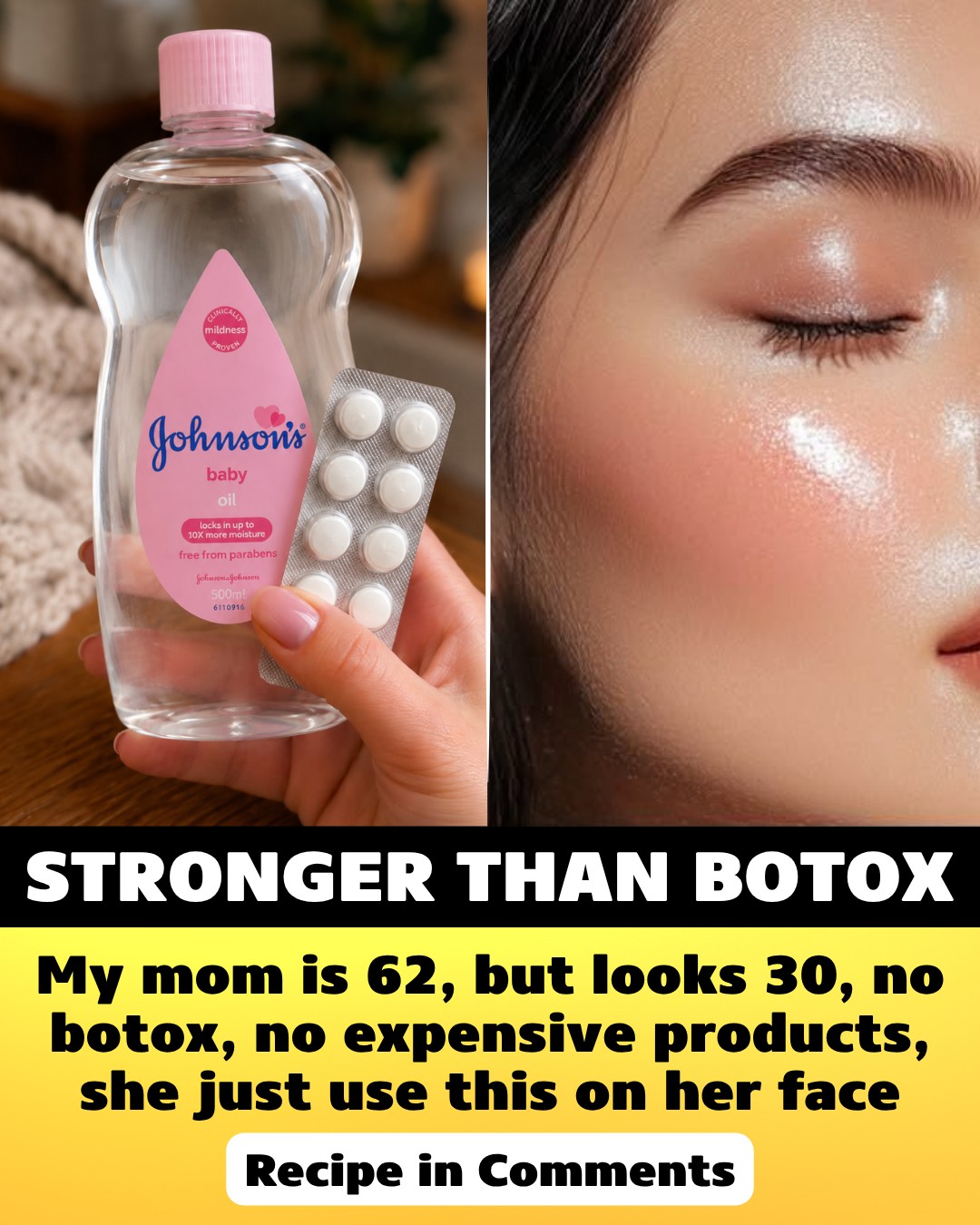
I want to be honest with you upfront. No bottle of baby oil or strip of aspirin is going to undo a decade of sun damage in a weekend. What these two ingredients can do, when you pair them with the right pantry staples, is soften the look of fine lines, dial down dullness, and slowly fade the patchy spots that make skin look older than it is
I’ve been making versions of these for years on a real budget. Some weeks my skin behaved. Some weeks it didn’t. What follows is what actually stuck — six DIYs I keep coming back to, with the reasoning behind each one and the warnings that the cute Pinterest pins always leave out.
Why baby oil works on aging skin
Baby oil is mostly mineral oil with a little fragrance. Mineral oil is what’s called an occlusive. It sits on the surface of your skin and slows down trans-epidermal water loss, which is the technical way of saying it keeps moisture from evaporating out of your skin overnight.
Why does that matter for “younger looking” skin? Because dehydrated skin shows every crease. The same fine lines under your eyes that look like crepe paper at 11pm on a dry winter night look softer in the morning after your skin has had eight hours to plump back up. Baby oil traps water in. It doesn’t add water — that’s a different job — but it locks in whatever moisture is already there.
One catch: mineral oil is comedogenic for some people, especially if you’re acne-prone. If you break out easily on the face, use baby oil on your body, neck, and hands instead, or do a small patch test on your jawline for three nights before going all in.

Why aspirin works on dark spots and dullness
Aspirin is acetylsalicylic acid. When it dissolves in water, it releases salicylic acid, which is the same beta hydroxy acid sold in fancy serums for forty times the price. Salicylic acid is oil-soluble, so it gets into your pores. It also gently loosens the bonds between dead skin cells on the surface, which is why aspirin masks make skin look brighter the next morning.
For spots specifically, salicylic acid does two things: it sheds the pigmented surface cells faster, and it calms the underlying inflammation that often keeps a spot dark long after the pimple is gone. This is why aspirin works better on post-acne marks than on deep melasma, which sits much further down.
Now the warnings, because these are non-negotiable. Do not use any aspirin DIY if:
You’re allergic to aspirin or any NSAID
You have a known salicylate sensitivity
You’re pregnant or breastfeeding (talk to your doctor first; topical salicylic acid in low doses is usually considered fine but I’d rather you ask)
You’re already using a strong retinol, AHA, or BHA product — pick one or the other, not both
Your skin is broken, sunburned, or actively irritated
Also: salicylic acid makes your skin more sensitive to the sun. Every single one of the aspirin DIYs below should be followed by sunscreen the next morning. I mean it. Without SPF, you’ll fade one set of spots and grow another.
The 6 DIYs
1. Aspirin and honey brightening mask
This is the one I run to before a wedding or any event where I want my skin to look one shade brighter without a filter. The honey adds humectant moisture and a mild antibacterial layer, and the aspirin does the exfoliating.
You’ll need:
3 uncoated aspirin tablets (the cheap, plain white ones — not coated, not enteric, not flavored)
Half a teaspoon of clean drinking water
1 teaspoon of raw honey
Half a teaspoon of plain unsweetened yogurt (optional, but it adds lactic acid for an extra polish)
How I make it: Drop the aspirin tablets into the water in a small ceramic bowl and wait two minutes. They’ll fizz and dissolve into a slightly grainy paste. Stir in the honey and yogurt until it’s smooth and spreadable. Apply a thin even layer to clean, dry skin, avoiding the eye area and the corners of the mouth. Leave it on for ten minutes the first time. If your skin tolerates that with no stinging, you can build up to fifteen on future uses.
Rinse with lukewarm water and pat dry. Follow with a basic moisturizer. Sunscreen the next morning, no exceptions.
How often: Once a week is plenty. Twice a week is the absolute ceiling and only if your skin is on the resilient side.
2. Baby oil overnight glow treatment
This is the laziest entry on the list and somehow the one that gets the most compliments. It’s a two-ingredient overnight occlusive that softens fine lines around the eyes and mouth by morning.
You’ll need:
4 to 5 drops of baby oil
1 vitamin E capsule (pierced with a clean pin)
How I use it: After my regular night moisturizer has soaked in for about five minutes, I squeeze the vitamin E into my palm, add the baby oil drops, rub my hands together, and press the mix gently over the dry zones — under-eyes, smile lines, the corners of the mouth, neck. I avoid the T-zone because that’s where I’m oily anyway.
The trick is to layer baby oil over a water-based moisturizer, not instead of one. Baby oil seals in moisture. If there’s no moisture to seal, you’re just adding oil to dry skin and wondering why nothing changed.
By morning the under-eye area looks fuller and the fine lines look softer. The effect is temporary — it’ll wear off through the day — but with consistent use over a few weeks, the skin in those zones starts holding hydration better on its own.
Skip this if: You’re acne-prone on the face. Try it on the neck and chest instead, where mineral oil rarely causes breakouts.