Blood Pressure Drug Pulled From Shelves After Carcinogen Detected
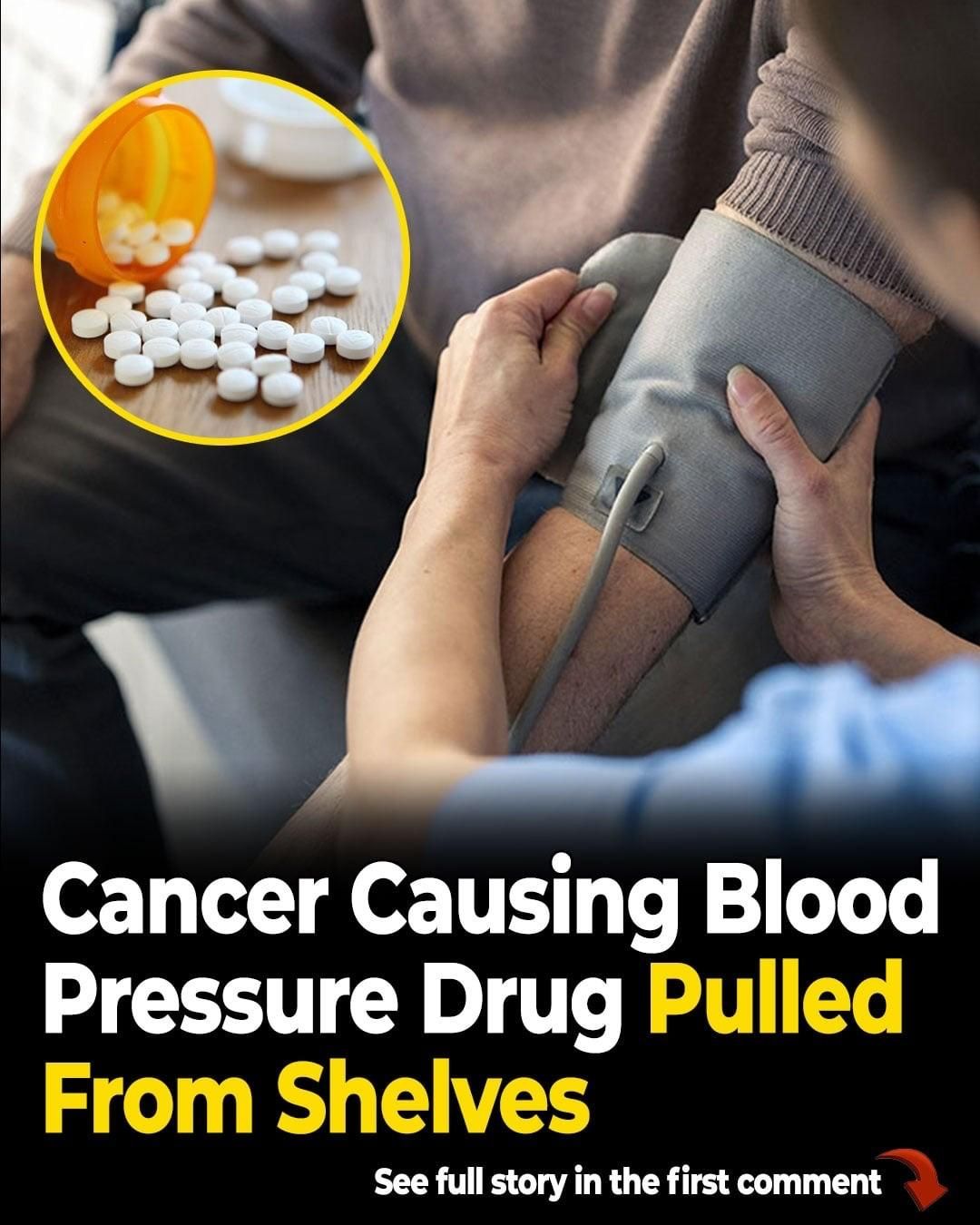
Hearing that a medication you take every day might not be safe anymore can really make your stomach drop. That is what happened when a blood pressure drug recalled by Teva Pharmaceuticals hit the news. The company found a chemical impurity in several batches of prazosin hydrochloride, something that could increase cancer risk over time.
People all over the country started asking the same thing, what now? The recall does not mean the medicine was instantly dangerous, but it does raise questions about how something like this happens.
What Happened and Why It Matters
Early in October 2025, Teva Pharmaceuticals, a big name in generic drugs, voluntarily pulled hundreds of thousands of bottles of prazosin hydrochloride from pharmacy shelves. The blood pressure medication recalled covered 1 mg, 2 mg, and 5 mg strengths.
Tests found an impurity called N-nitroso prazosin, which belongs to a group of chemicals known as nitrosamines. These are not new villains; scientists have been watching them for years because they can form during drug production and might cause cancer after long exposure.
The Food and Drug Administration later listed it as a Class II recall, which means the chance of serious harm is small. Still, no one wants a cancer-causing chemical in their daily pills. The news was unsettling for patients who depend on the drug to keep their blood pressure steady.

What Kind of Drug Is This
Prazosin hydrochloride is an old medication that works by relaxing blood vessels, making it easier for blood to move through your body. Doctors use it mostly to treat high blood pressure, and sometimes for men with prostate problems. A lot of people also take it off-label to help with nightmares or anxiety linked to post-traumatic stress disorder.
It’s a trusted medication, which is why a blood pressure drug recalled like this hits differently. When you have taken something for years and suddenly find out it might not be pure, it breaks your trust a bit.
The Science Behind the Problem
Nitrosamines can sneak into medicines during the manufacturing process or even while the product sits in storage. Heat, humidity, or certain chemical reactions can make them appear out of nowhere.
Regulators like the FDA have strict limits for how much of these compounds are allowed in any medication. But sometimes testing finds higher levels, and that is when a recall like this happens.
The important part to remember is that short-term exposure is not expected to cause harm. The cancer risk builds up only over years of use. Still, since many people take blood pressure pills daily, any contamination needs to be handled right away.
How Big Was the Recall
The blood pressure medication recalled this time involved around 581,000 bottles. That is a massive number, covering the following batches:
1 mg capsules, about 181,000 bottles
2 mg capsules, roughly 291,000 bottles
5 mg capsules, just over 107,000 bottles
These bottles were distributed all over the country, with expiration dates running into 2026. The FDA added it to their official recall list later in October, confirming the scope of the problem.
Even though that sounds scary, the agency stressed that the recall was a precaution. There have been no reports of anyone getting sick from the contaminated lots.
What Patients Should Actually Do
If you are taking prazosin, don’t panic. Experts say you should not stop your medication suddenly, even after hearing about a blood pressure drug recalled for impurities. Quitting cold turkey can cause your blood pressure to skyrocket, which is more dangerous in the short term.
Here is what to do instead:
Check your prescription bottle. Look for the lot number and dosage printed on the label.
Talk to your pharmacist or doctor. They can tell you if your batch is one of the recalled ones.
Don’t toss your pills right away. You might need them until you get a replacement.
Watch your health. If you notice anything strange or feel off, let your doctor know.
Stay calm. The odds of being harmed by this are very low.
Teva sent out letters to pharmacies and distributors and is still working with regulators. The recall process takes time, but patients can call their pharmacy or the FDA’s MedWatch line for more information.