Colon cancer in the rise at men under 50—a ‘silent’ condition affecting over 80 million Americans
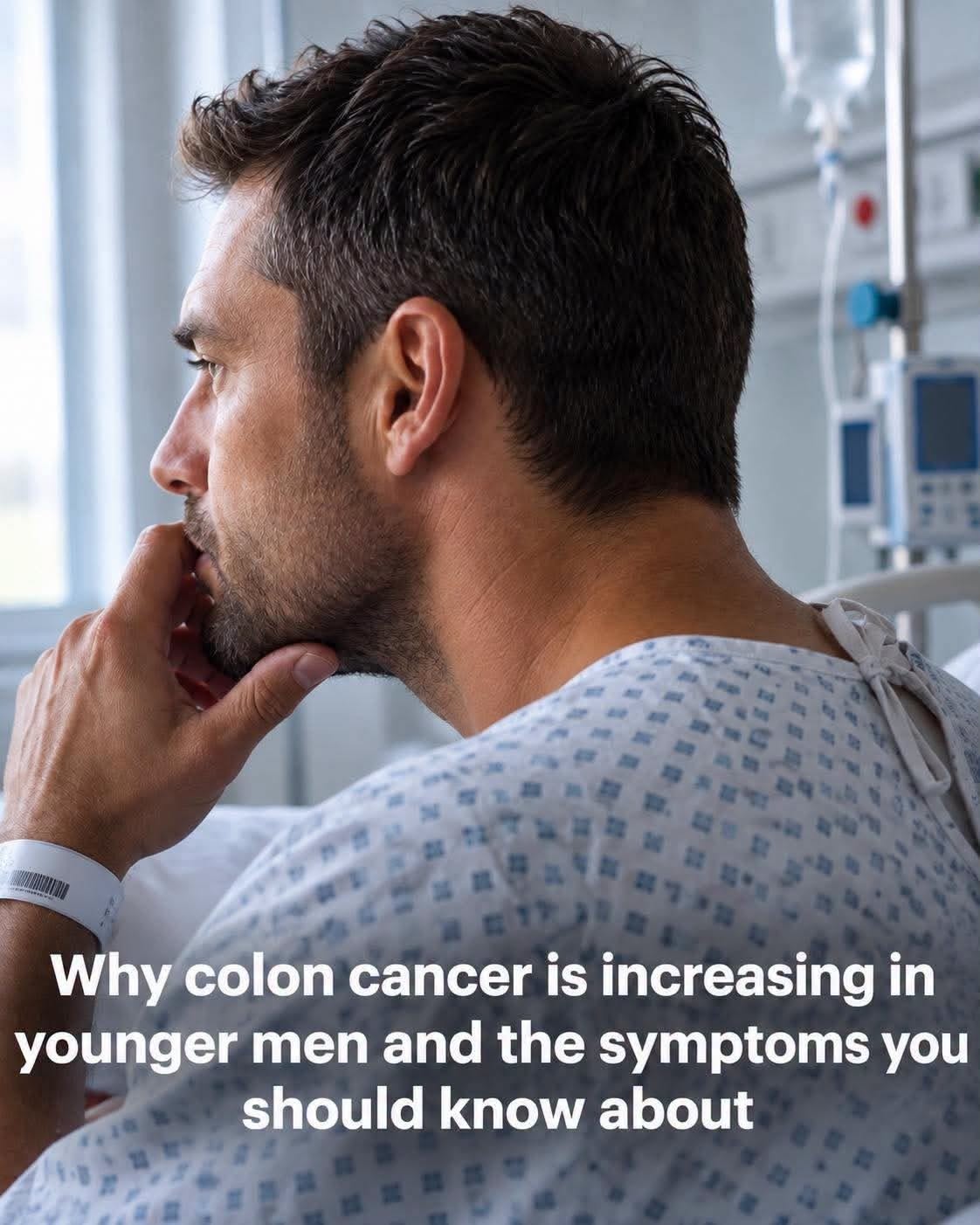
The American Cancer Society states that colorectal cancer starts in the colon. “Most colorectal cancers start as a growth on the inner lining of the colon or rectum. These growths are called polyps.”
While polyps are quite common and often noncancerous, some can turn into cancer over time.
Historically, this form of cancer was typical for the older population, but as more and more young people are diagnosed with it, researchers are rethinking screening recommendations and are looking for different treatment approaches.
Statistics say that colorectal cancer is the second leading cause of cancer-related deaths in US, with 153,020 being diagnosed with the disease in 2023 and over 52,000 dying of it.
Rebecca Siegel from the American Cancer Society believes that the increase of early-onset colorectal cancer at young people can be related to the lifestyle changes introduced in the mid-20th century.
Also, a study highlights one particular condition that shows no to little symptoms; non-alcoholic fatty liver disease (NAFLD).

This term refers to a range of conditions caused by a build-up of fat in the liver.
NAFLD doesn’t pose danger as such, but if the condition advances, it can lead to more serious issues such as diabetes, high blood pressure, and kidney disease.
According to a study conducted by a team of researchers from South Korea, people aged under 50 with history of NAFLD are 24% more likely to be diagnosed with colon cancer compared to those who don’t suffer from the condition.
Although more research needs to be done, researchers do make a connection between colon cancer and the “silent” condition of NAFLD.
Although more research needs to be done, researchers do make a connection between colon cancer and the “silent” condition of NAFLD.
“Our findings revealed a strong link between NAFLD and early-onset CRC in young adults, suggesting the importance of implementing effective preventive strategies, particularly in populations with a growing burden of metabolic dysfunction,” experts said on the study published in ScienceDirect.
“These findings highlight the need for multifaceted preventive strategies, including lifestyle interventions and expanded screening for younger populations with NAFLD.”
According to the study, the inflammation caused by NAFLD may travel to the colon, triggering cancerous cells to develop.
Kimmie Ng, M.D, a Boston oncologist, also noticed a trend of younger people getting diagnosed with this for om cancer in the last few years, Men’s Health reported. What’s more, most of those young people who got at the Dana-Farber Cancer Institute were runners, CrossFitters, lifelong nonsmokers who appeared very healthy.
One of those patients was 46-year-old Dan Luers, a dedicated athlete who exercised nearly two hours daily before receiving a stage IV diagnosis. Although Dr. Ng’s alarm mounted annually, the full gravity of the situation became starkly clear in 2017 with the arrival of a 29-year-old Marine. He was exceptionally fit, maintained a healthy diet, and lacked any family history of the disease, making him her youngest patient with this background, yet he was diagnosed with stage IV colorectal cancer. For individuals facing cancer that has metastasized to remote body regions, as his had, five-year survival rates drop to roughly 14 percent.
Those young people who received the diagnosis all asked the same question, how they could have prevented it.
Dr. Ng and a team of researchers are working urgently to uncover the underlying causes. Seeing so many young men unexpectedly struck by the disease, Dr. Ng noted, firmly strengthened her determination to take action.
Research increasingly indicates that early-onset colorectal cancers are biologically distinct from conventional cases, frequently originating in different areas of the organ and displaying unique genetic mutations. According to Dr. Scott Kopetz, an oncologist at MD Anderson Cancer Center, these differences suggest that early-onset cases may develop through a fundamentally different mechanism from their very inception, representing what could essentially be a distinct variant of the disease.
Survey data from the Colorectal Cancer Alliance reveals that 71 percent of young patients are diagnosed at advanced stages (stage III or IV). Despite this, certain treatments are proving effective. For example, a combination of surgery, chemotherapy, and radiation successfully eliminated Dan Luers’s cancer, leading to a clean bill of health. Similarly, Greg Mancini, who was diagnosed at age 38 with aggressive cancer spreading toward his spine, saw rapid improvement after joining a 2015 immunotherapy trial involving two checkpoint inhibitors, which caused his visible tumors to shrink dramatically within weeks.
Until answers or reliable treatments emerge, vigilance is vital. Early-onset colorectal cancer may have new causes, heightened risks for young men, and a need for novel therapies.
Researchers at Dana-Farber, Sloan Kettering, and MD Anderson are racing to find answers, focusing heavily on the microbiome. Diet and medication, such as antibiotics and excess sugar, can disrupt this bacterial balance, potentially triggering disease. While a $25 million Dana-Farber study investigates these links, doctors advise maintaining standard healthy habits: eating fiber-rich foods, exercising, limiting sugar and processed meats, avoiding tobacco, and watching for symptoms like persistent bowel changes or rectal bleeding.
At-home screening kits exist, but anyone with active symptoms should see a doctor immediately and advocate for themselves. Medical providers must keep early-onset cancer on their radar, especially since racial disparities worsen outcomes; Black patients face a 40 percent higher mortality rate, driven largely by insurance gaps, delayed follow-up, and tumor differences. Nobody should let fear or embarrassment delay life-saving care.
Please SHARE this article with your family and friends on Facebook.