Eating Peanuts Every Day? Here’s What Doctors Recommend You Understand

Many adults over 50 start paying closer attention to their heart health as they notice changes in energy levels and cholesterol numbers during routine checkups. The constant worry about maintaining healthy blood pressure and keeping arteries clear can feel overwhelming, especially when trying to navigate conflicting dietary advice. But what if one simple, affordable snack you might already love could play a supportive role in your daily routine?
Here’s the good news: research highlights the potential benefits of incorporating peanuts into your habits in a smart way. But the key lies in doing it correctly — and that’s exactly what we’ll uncover in this guide, including the surprising details on portion sizes, preparation tips, and how to avoid common mistakes that could cancel out the perks.
The Impressive Ways Peanuts Support Heart Health and More
But that’s not all. Peanuts, which are actually legumes rather than true nuts, pack a powerful nutritional punch. Studies, including large-scale research from Harvard, have linked regular peanut consumption to a lower risk of heart-related issues when eaten as part of a balanced diet.
Here’s why they stand out for people over 50:
Heart-Friendly Fats: Peanuts are rich in monounsaturated and polyunsaturated fats. These help reduce “bad” LDL cholesterol while supporting “good” HDL levels, according to nutrition experts.
Fiber and Protein Power: With high amounts of both, they promote feelings of fullness, which can aid in weight management — a key factor for cardiovascular wellness.
Antioxidant Boost: Compounds like resveratrol and vitamin E act as antioxidants, helping combat oxidative stress that affects heart and brain health over time.
Blood Sugar Support: Their low glycemic impact and fiber content make them a smart choice for stable energy levels.
Research published in respected journals shows that people who eat peanuts regularly tend to have better overall longevity markers and may experience fewer concerns related to cognitive decline as they age.

How Much Is the Right Amount? Your Daily Peanut Guide

Now, you might be wondering about portions. The truth is, moderation is everything with this nutrient-dense food.
Nutrition professionals generally recommend about 1 ounce, or a small handful (roughly 28–35 peanuts or 30–40 grams), per day. For peanut butter, stick to around 2 tablespoons daily.
This “golden amount” allows you to enjoy the benefits without overloading on calories, since peanuts contain about 160–170 calories per ounce.
Smart Ways to Include Peanuts in Your Routine
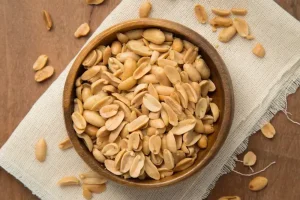
Here’s the part many people miss. Not all peanut preparations are created equal. The best choices are unsalted, dry-roasted, or boiled peanuts in their natural form.
To make this habit stick easily, try these simple, actionable steps you can start today:
Start your morning by adding a sprinkle of chopped peanuts to oatmeal or yogurt for extra crunch and staying power.
Keep pre-portioned snack bags ready for afternoon cravings so you never overdo it.
Mix them into salads or stir-fries for added protein without extra effort.
Blend natural peanut butter into smoothies for a creamy, satisfying texture that keeps you full longer.
Potential Risks and How to Enjoy Them Safely
But wait — there’s more to it than just popping a few nuts. While peanuts offer real advantages, overdoing it or choosing the wrong kind can lead to unwanted results.
Peanuts are calorie-dense, so eating too many could contribute to weight gain if you’re not mindful of the rest of your plate. Always opt for plain versions and skip heavily salted, honey-roasted, or oil-fried options that add extra sodium and less-healthy fats.
Another important note: check for freshness. Discard any peanuts that smell musty or look discolored to steer clear of potential mold-related concerns.
Who Should Approach Peanuts With Caution?
While beneficial for most, some individuals need to be more careful.
People with known peanut allergies should avoid them entirely, as reactions can be serious.
Those managing gout may want to monitor intake due to moderate purine content, though many experts consider moderate amounts acceptable in an overall balanced diet.
Individuals with a history of kidney stones might limit high-oxalate foods like peanuts.
Anyone with digestive sensitivities should introduce them slowly and watch how their body responds.
If you have any underlying conditions, chatting with your healthcare provider is always wise before making changes.
Creative and Healthy Ways to Add Peanuts to Your Routine
The beauty of peanuts is how versatile they are. You can turn this daily habit into something enjoyable rather than another chore on your list.
Many people find success by roasting their own peanuts at home with minimal seasoning for full control over salt and quality. Or spread natural peanut butter on whole-grain toast with banana slices — a quick breakfast that feels indulgent yet supportive.
Putting It All Together: Making Peanuts Part of Your Long-Term Plan
Incorporating a small amount of peanuts into your daily eating pattern can be a tasty step toward supporting your heart and overall well-being, especially as you navigate the years after 50. Remember, it works best as part of a balanced lifestyle with plenty of vegetables, regular movement, and consistent medical check-ins.
The real secret isn’t in any single food — it’s in consistency and smart choices that feel sustainable for the long haul.
1. Can eating peanuts every day help with weight management?
Yes, in moderation the protein and fiber can help you feel fuller longer, potentially reducing overall calorie intake when they replace less-satisfying snacks.
2. Is peanut butter as healthy as whole peanuts?
Natural peanut butter without added sugars or oils offers similar benefits, but watch the portion size and always read labels carefully.
3. What’s the best time of day to eat peanuts?
Anytime works, but many find them helpful as a mid-afternoon snack to curb hunger and keep energy steady until dinner.