If Your Legs Swell Every Night, Read This
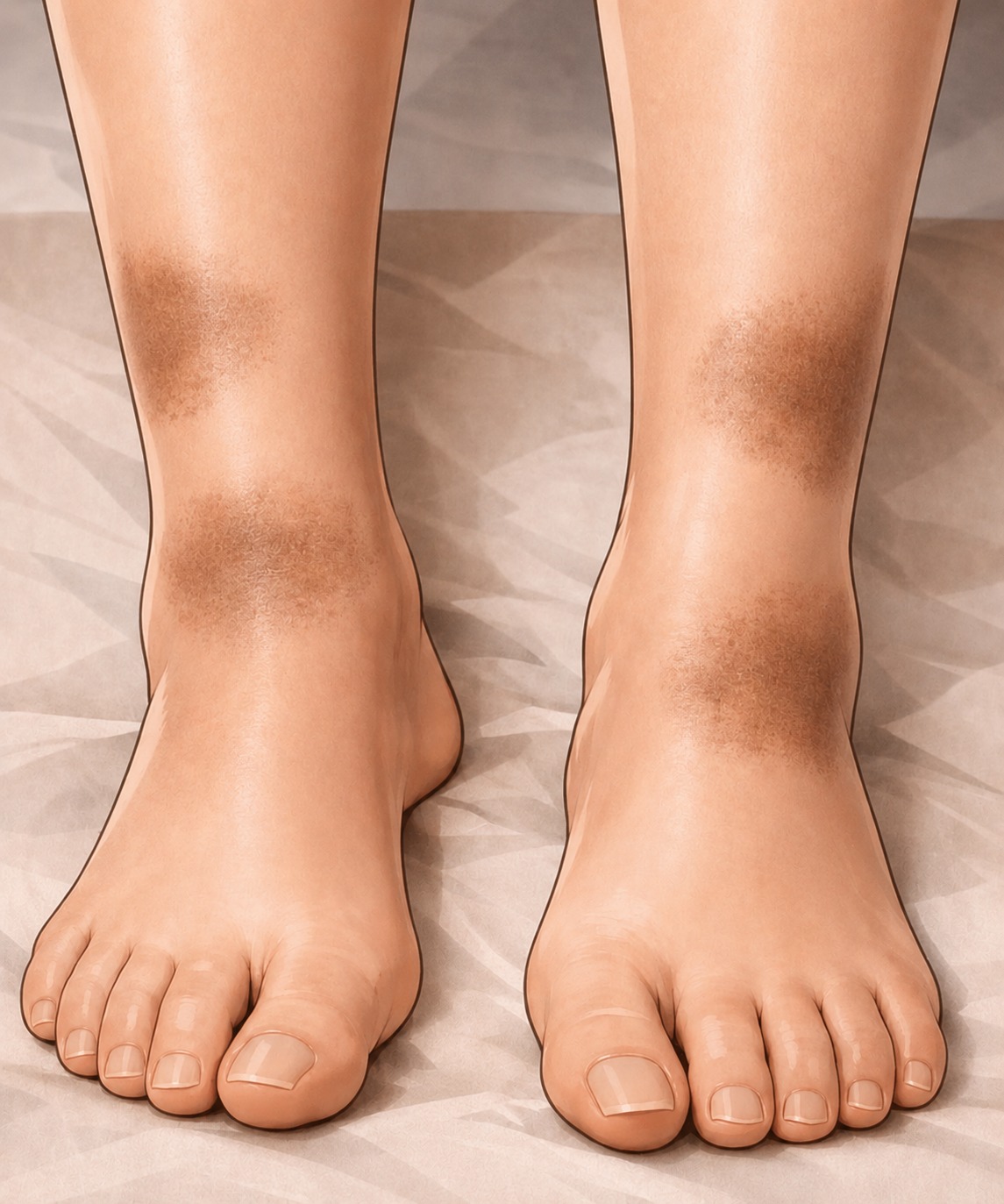
After a long day, many people notice their shoes feel tighter, their ankles look puffy, or their legs seem heavier than usual. Occasional swelling in the legs can happen for harmless reasons, especially after standing or sitting for many hours. But if your legs swell every night, your body may be trying to tell you something important.
Leg swelling, also called edema, happens when fluid builds up in the tissues. Sometimes the cause is simple. Other times, it may be linked to circulation problems, heart conditions, kidney issues, or other medical concerns that should not be ignored.
Common Causes of Nighttime Leg Swelling
One of the most common reasons is poor circulation. When you spend long periods standing or sitting, gravity pulls fluid downward into your lower legs and feet. This is especially common for office workers, drivers, teachers, nurses, and older adults.
Another possible cause is excess salt in the diet. Foods high in sodium can cause the body to retain water, leading to swelling in the ankles and legs by evening.
Pregnancy can also lead to swollen legs because the body naturally holds more fluid, and pressure on blood vessels increases as the baby grows. Mild swelling is often normal during pregnancy, but sudden or severe swelling should always be checked by a doctor.
Some medications may contribute as well. Blood pressure medications, steroids, hormones, and certain diabetes drugs can sometimes cause fluid retention.
When Swelling May Be a Warning Sign
Not all swelling is harmless. Persistent swelling in one or both legs may signal an underlying health problem.
Heart failure can reduce the heart’s ability to pump blood efficiently, causing fluid to collect in the legs and feet. Kidney disease may prevent the body from removing extra fluid properly. Liver disease can also affect fluid balance and circulation.
A blood clot, especially if swelling happens suddenly in only one leg, can become dangerous and requires immediate medical attention. Signs such as redness, warmth, pain, or shortness of breath should never be ignored.
Varicose veins are another common cause. Damaged veins struggle to move blood back toward the heart, leading to swelling, aching, and heaviness in the legs.
Simple Ways to Reduce Leg Swelling
In many cases, lifestyle changes may help improve mild swelling.
Try elevating your legs for 15 to 30 minutes in the evening. Raising your legs above heart level can help fluid move back through the circulation system.
Regular walking and light exercise improve blood flow and reduce fluid buildup. Avoid sitting or standing in one position for too long.
Drinking enough water may sound surprising, but dehydration can actually make fluid retention worse. Reducing salty processed foods can also help significantly.
Compression socks are often recommended for people with circulation issues or jobs that require long hours on their feet.
When to See a Doctor
You should speak with a healthcare professional if:
swelling happens every day
one leg is more swollen than the other
swelling is painful or warm
you experience chest pain or trouble breathing
swelling appears suddenly
home remedies do not help
Your body often sends small warning signs before bigger problems develop. Paying attention to nighttime leg swelling could help you identify an issue early and protect your long-term health.