The benefits of eating bananas and the myths you should stop believing
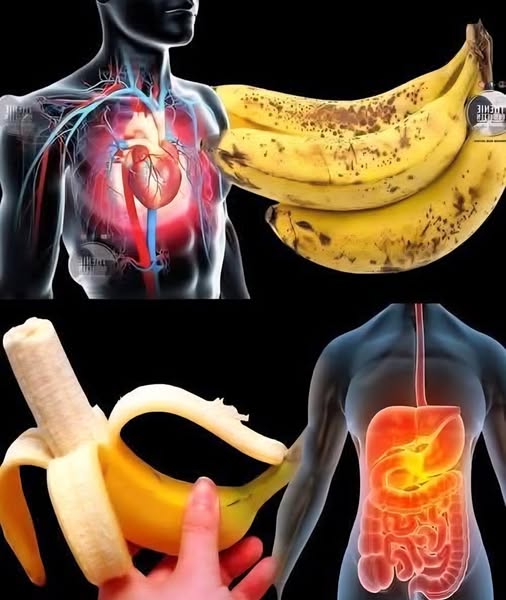
There’s no doubt that bananas rank right up there with some of the most loved fruits on earth. Not only are they cheap and handy to eat but they are also packed with nutrients that are good for your body.
Despite being ubiquitous, bananas have long been the center of controversy in the health sector. While some people believe that bananas make up the best clean fuel for athletes, others consider them the most evil things that they could possibly consume. Hence, what is the truth behind this fruit?
To know more about bananas, it is important to take into account their benefits, impact on the body, and myths surrounding them in the modern viral environment.
So let’s look at the actual science behind banana benefits and clear up those common myths.
The Nutrient Profile: What’s Actually Inside?
When you remove the banana peel, you are not only enjoying its delicious taste but also unlocking an array of micronutrients. One medium banana provides you with a perfect balance of vitamins and minerals that are necessary for your everyday functioning.

For example, bananas are excellent sources of:
Potassium: A crucial mineral and electrolyte.
Vitamin B6 (pyridoxine): Necessary for the development of the brain and maintenance of the nervous and immune system.
Vitamin C: An antioxidant responsible for maintaining skin health and enhancing the immune system.
Magnesium: Participates in more than 300 biochemical reactions in the body.
Fiber: Important for digestion and feeling full.
Healthline provides some interesting statistics about bananas. For instance, one banana contains only 100 to 110 calories but is rich in fibers. They are naturally free of fat and have only negligible amounts of protein. The combination of these attributes makes them the “cleanest” source of carbohydrates, which are the body’s main fuel.
The Cardiovascular Connection: Supporting Heart Health
Another of the most extensively proven benefits of bananas is their heart-friendly nature, largely due to the high amounts of potassium they contain. Potassium is an electrolyte that carries a small electrical charge, which is vital for the heart’s ability to beat properly.
Potassium serves several critical functions:
Regulating Blood Pressure: Potassium helps the body eliminate excess sodium through urine and relaxes the walls of blood vessels.
Water Balance: Alongside sodium, potassium is responsible for maintaining the proper balance of fluids inside and around body cells.
Nerve & Muscle Function: Potassium supports the normal functioning of muscles, including the contraction of the heart muscle.
According to the Cleveland Clinic, potassium-rich diets have been consistently linked to lower blood pressure and a reduced risk of stroke. Unfortunately, modern Western diets tend to contain too much sodium and not enough potassium. The good news is that adding a banana to your daily routine can be a simple first step toward achieving a healthier balance.
The Gut Microbiome and Digestive Health
While bananas are commonly advised as part of a BRAT (Bananas, Rice, Applesauce, Toast) diet for those with upset stomachs, they also offer additional digestive benefits.
One of the main reasons bananas are considered helpful for digestion is their fiber content. They have:
Soluble Fiber – This type of fiber is capable of dissolving in water, creating a gel-like substance in the digestive system. It slows down the digestion process, allowing your body to absorb nutrients.
Resistant Starch – This type of fiber is abundant in unripened or somewhat green bananas. While regular starches are broken down in the small intestine, resistant starch reaches the large intestine and acts as a prebiotic.
Studies have shown that resistant starch acts as food for beneficial bacteria in your gut. The process of breaking down the starch results in the creation of short-chain fatty acids such as butyrate. These acids are necessary for proper colon functioning, leading to:
Reduction of systemic inflammation.
Enhancement of the intestinal barrier.
Improvement of nutrient absorption.
Elimination of common problems like bloating and constipation.
Nature’s Original Energy Bar
When you watch a professional tennis game or marathon, you will see that the players are eating bananas during intervals of play. There is an explanation for the consumption of bananas by athletes prior to continuing play. The fruit is usually called the “energy bar of nature,” since the fruit contains different types of natural sugars, including glucose, fructose, and sucrose.
Candy bars give rise to a fast increase in the level of blood sugar and consequently result in exhaustion; however, the bananas contain sugars, along with fibers.
The Blood Sugar Debate: Are Bananas Safe?
This might be the most misinterpreted aspect of the nutritional value of bananas. Since they are sweet fruits, many people, particularly health-conscious ones or those suffering from certain conditions, avoid them.
The glycemic index (GI) of bananas ranges from low to medium, being about 42 to 62 according to their ripeness level. The GI indicates the effect of food consumption on the level of glucose in our bloodstream after eating it. This is because the presence of dietary fiber and resistant starch makes bananas not produce the high blood sugar spikes typical of processed foods like white bread.
According to scientific studies, unripe green bananas have a lower GI than ripe ones with black spots on them. It is easy for a healthy body to digest the sugar contained in bananas. Diabetic patients should be very cautious regarding the intake of portions of bananas, but it does not mean they cannot eat this fruit alongside other foods like proteins.
Weight Management: The Satiety Factor
Bananas have been accused of being fattening, which is quite the opposite of the truth. Satiety plays an important role in successful weight loss. Feeling fuller leads to less consumption of calorie-rich, processed foods.
Fiber in bananas works as a satiety inducer because:
it increases bulk in the stomach;
it helps slow stomach emptying.
By substituting a 300-calorie snack bar with a 100-calorie banana, not only do you cut down the number of calories, but you also provide your body with nutrients that help regulate metabolism.
A Shield of Antioxidants
People usually assume that berries and dark leafy vegetables are the only foods that can provide antioxidants, but bananas have a lot of these essential substances. There are different kinds of antioxidants, such as flavonoids and dopamine and catechins.
Antioxidants neutralize free radicals within the body, which cause oxidative stress. With time, oxidative stress leads to aging and different diseases such as cardiovascular disorders and some cancers. Moreover, bananas also have vitamin C, which strengthens the immune system and increases resistance to infections.
Kidney Health and Longevity
Kidneys are not given enough credit when it comes to keeping our blood clean and controlling the balance of minerals within us. Potassium plays a key role here. Several longitudinal studies have shown that females who consume bananas two to three times weekly have a much lower risk of kidney diseases in the following 13 years.
Moreover, through proper regulation of our blood pressure, bananas also help to safeguard the kidneys from any harm. One of the primary reasons behind kidney disease is high blood pressure. On the other hand, people with severe kidney diseases and on a low-potassium diet must discuss their diet plan with their doctors.
Debunking Banana Myths
In today’s world, nutritional myths can travel faster on social media than truths. Here are the top myths about bananas.
Myth 1: Bananas have too much sugar.
As mentioned above, the sugar found in fruits is not the same as that found in soft drinks. Instead, fruit sugar comes in an envelope made up of fiber, vitamins, and minerals. In nutrition studies, the nutritional value of the entire fruit is found to be greater than its sugar content.
Myth 2: Bananas are the best source of potassium.
Bananas may be a great choice, but they are not necessarily the best choice. Some other foods such as avocados, spinach, and sweet potatoes have higher amounts of potassium than bananas. The best part about bananas is their accessibility.
Myth 3: Bananas are Radioactive.
This is one of the most fun info related to bananas, and while it is true that they have a radioactive element called Potassium-40, it does not affect humans since the amount present is extremely low. One would have to consume around 10 million bananas at once to die because of the effects of radiation poisoning.
Myth 4: Smoothies destroy banana nutrients.
An emerging myth states that a banana enzyme called polyphenol oxidase reduces the levels of flavanols found in other fruits, particularly berries. As one Reddit user pointed out:
“Real world smoothies… still have a lot of fiber and protective compounds.”
The reaction may actually happen in an experimental lab environment, but our bodies are efficient when it comes to gaining nutrients from any compound that we intake. Unless you are drinking smoothies for a particular dosage of a specific flavonoid, it is okay to eat bananas and berries together.
Are There Any Drawbacks?
Although bananas can be considered a super food in several aspects, caution is always advised when it comes to dietary considerations. Here are a few problems you might face if you consume way too many, say, around 5-6 of them a day:
Digestive Issues: An overload of fiber content may cause bloating and discomfort in the digestive tract.
Hyperkalemia: A very rare condition caused due to extremely high levels of potassium in the body.
Dental Problems: Bananas, like other fruits, have sugar and starch which could potentially lead to tooth cavities.
The optimal consumption level would be between 1 to 2 bananas a day.
Conclusion
In conclusion, bananas can be considered the simplest yet one of the best options when it comes to improving nutrition intake. The fruit is affordable – quite a rare quality in times of ever-growing food prices. It contains high amounts of essential nutrients that have been scientifically proved over the years. It is also highly versatile.
You can use bananas to gain extra energy for your early morning training sessions. Bananas combined with oats make excellent breakfast ingredients for those who suffer from heart diseases. Moreover, you can keep bananas in your purse as an energy supplement at any time of the day.
Healthy nutrition does not necessarily mean complicated formulas, expensive dietary supplements, and exotic fruits. On some occasions, it might turn out to be much easier than people think. Bananas contain enough nutrients to improve overall health and provide additional energy, especially in the case of heart diseases. However, remember that moderation is the key. Do not let myths get in your way.
*Disclaimer: This article is for informational purposes only and does not constitute medical advice. Always consult a healthcare professional for medical concerns.