When to See a Doctor for Sleep Problems
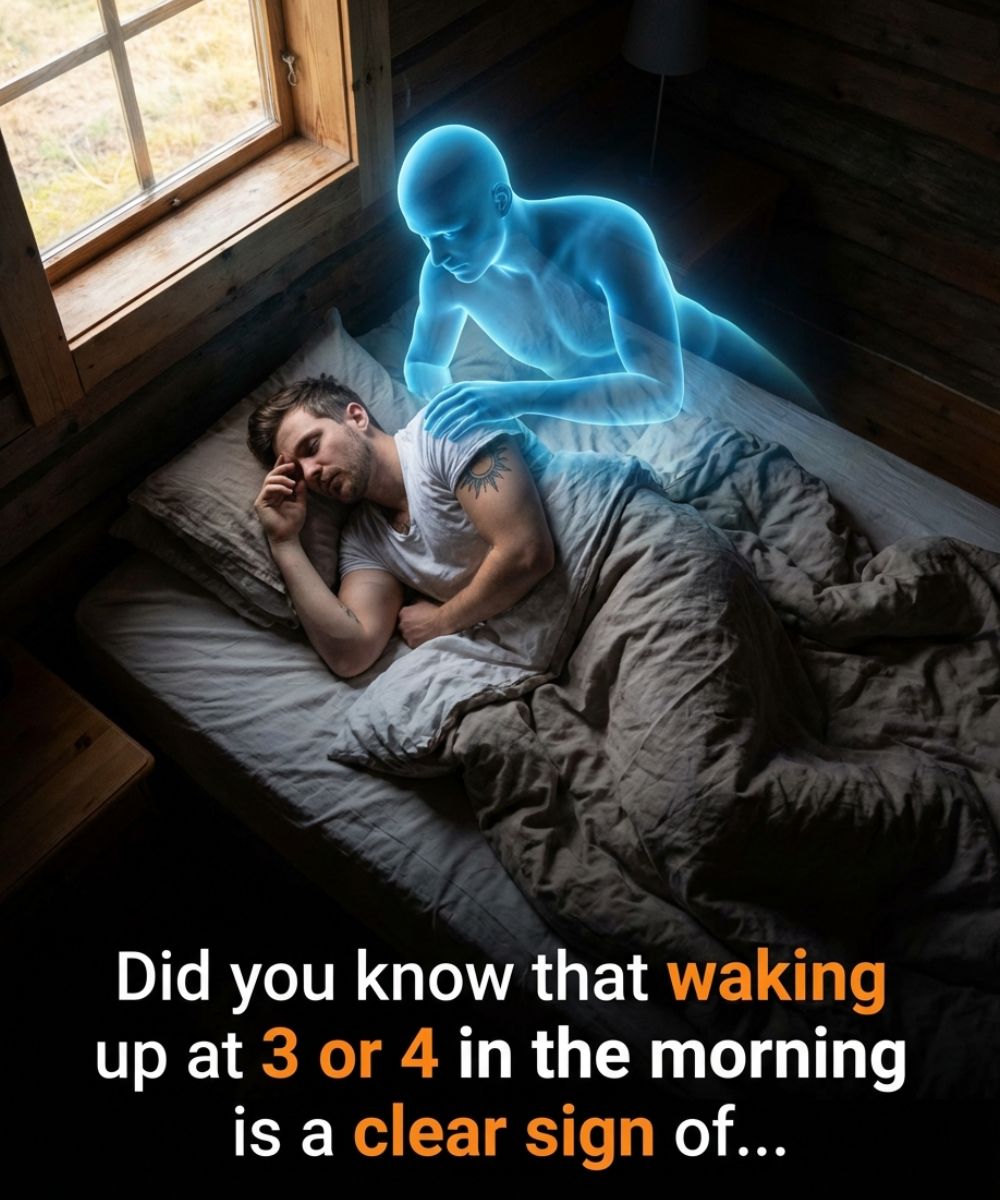
Sleep plays a vital role in maintaining both physical and mental health. While occasional sleep disturbances are normal, ongoing issues can signal deeper health concerns. Knowing when to seek medical help is essential to prevent long-term consequences and restore healthy sleep patterns.
1. Persistent Sleep Problems Lasting Weeks
If you struggle to fall asleep, stay asleep, or wake up too early for more than a few weeks, it may be more than temporary stress. These symptoms are commonly linked to insomnia and should not be ignored.
Chronic sleep problems can lead to:
Constant fatigue
Poor concentration
Irritability
Reduced productivity
When sleep issues become consistent, it is time to consult a healthcare professional.
2. Constant Daytime Fatigue
Feeling exhausted during the day—even after a full night’s sleep—is a major warning sign. This often indicates poor sleep quality rather than lack of sleep time.

Conditions like Sleep Apnea can interrupt breathing during sleep, causing repeated awakenings without you realizing it.
Watch for symptoms such as:
Loud snoring
Gasping for air at night
Morning headaches
Dry mouth upon waking
3. Sleep Problems Affecting Mental Health
Sleep and mental health are deeply connected. If your sleep issues are accompanied by:
Anxiety
Depression
Mood swings
High stress levels
…it is important to seek professional help. Poor sleep can worsen mental health conditions, creating a harmful cycle.
4. Physical Discomfort at Night
Certain physical conditions can make it difficult to sleep comfortably.
Common examples include:
Restless Legs Syndrome causing an urge to move your legs
Chronic pain
Acid reflux
Frequent nighttime urination
If your body prevents you from resting properly, medical evaluation is necessary.
5. Unusual Sleep Behaviors or Nightmares
Sleep disorders are not always about insomnia. Some involve unusual behaviors such as:
Sleepwalking
Talking during sleep
Acting out dreams
Frequent, intense nightmares
These can be signs of deeper neurological or psychological conditions and should be assessed by a doctor.
6. Sudden Changes in Sleep Patterns
If your sleep schedule suddenly changes without a clear reason—such as waking up at the same time every night—it may be linked to:
Hormonal imbalance
Stress
Underlying health conditions
Sudden disruptions should not be ignored, especially if they persist.
7. No Improvement After Lifestyle Changes
Many people try to fix sleep problems by:
Reducing caffeine
Limiting screen time
Improving bedtime routines
If these changes do not help, the issue may require medical diagnosis and treatment.
Conclusion
Occasional sleep problems are normal, but persistent or severe issues should never be overlooked. If your sleep difficulties:
Last for weeks
Affect daily life
Include unusual symptoms
Do not improve with simple habits
…it is time to see a doctor.
Early intervention can help identify the root cause, improve sleep quality, and protect your overall health.