Why are your veins suddenly bulging and visible?
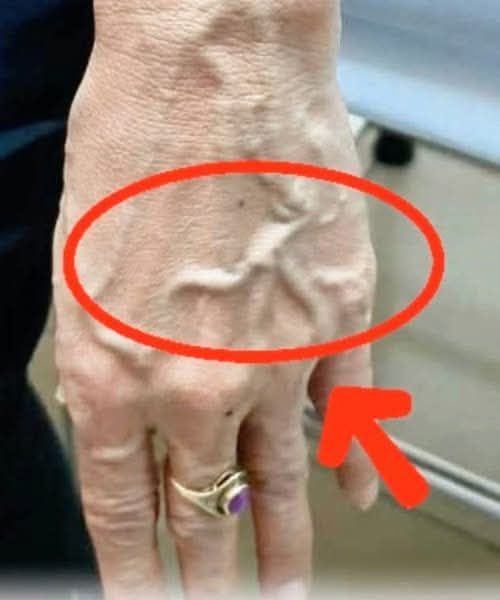
Bulging veins may actually be totally harmless when they appear on a temporary basis due to exercise or simply because it’s summer. But then again, there will be situations where the presence of bulging veins indicates the existence of a problem with your blood circulation that you should not ignore. Knowing the reason behind such an occurrence will allow you to distinguish whether it is something that requires a professional evaluation.
The vein system acts like a roadway that transports oxygen-depleted blood back up to the heart. Unlike the arterial system, which is helped by gravity, the veins have to struggle against gravity especially in the legs, using their own one-way valve system and muscle compression around them to pump blood upwards. When this system fails due to faulty valves or high pressure, blood pools up rather than moving through properly.
One of the main causes of bulging veins is simply being physically active. As you engage in physical activities, your muscles contract intensely, which in turn calls for increased blood supply, thus forcing the veins close to the skin surface. The problem is common among athletes and those with low body fat. It’s worth noting that this kind of vein visibility is not a serious health issue.
Other everyday factors include:
Ageing: With age, valves of our veins become less elastic and efficient.

Genetics: If your parents had visible veins, then there is an immense probability that you have them as well.
Hot temperatures: Hot temperature makes the blood vessels dilated (expanded).
Tight clothes: Clothes that squeeze around your waist or groin regions make pressure in your veins.
Excessive weight: Being overweight puts excessive structural strain on your legs.
Prolonged sitting or standing: Staying static defers the “muscle pump” effect, allowing blood to pool.
Although such factors might only cause temporary effects, over time, they may create conditions that lead to chronic venous problems.
In many cases, the enlarged appearance of the veins serves as an early sign of varicose veins, which belong to the spectrum of chronic venous disorders. In such a case, the inside valves become dysfunctional and cease to prevent the reverse blood flow into the vein, making it fill with blood. Varicose veins usually emerge on the legs or the feet; however, on rare occasions, they can emerge on the arms or in the pelvis area.
Usually, varicose veins have a dark blue or purple color and have a characteristic twisted appearance. While for some patients the problem does not have any symptoms apart from visual appeal, for others, the condition can be accompanied by such symptoms as a sensation of heaviness or leg ache.
According to the NHS, the underlying reason behind varicose veins is a mechanical failure. As these one-way valves fail to work effectively, the flow of blood reverses, thereby stretching the vein.
Common causes and risk factors
Some of the factors that may rapidly lead to varicose veins and bulging include:
Hormonal changes: Puberty, pregnancy, and menopause may relax vein walls.
Pregnancy: An additional strain caused by both extra blood in the body as well as an enlarged uterus putting pressure on veins in the pelvis area.
Lack of activity: Desk work or standing up for too long without walking reduces circulation.
Smoking: Smoking has been proven to damage blood vessels and affect blood circulation.
Age: The natural aging process may cause wear and tear, leading to the failure of valves.
The Mayo Clinic notes that women are statistically much more likely than men to suffer from varicose veins, especially due to hormone-related reasons.
Symptoms that shouldn’t be ignored
Whereas many cases of swollen veins may be purely superficial or temporary, certain symptoms can indicate a more serious underlying issue with blood circulation. It is advisable to consult a healthcare professional if you experience bulging veins along with any of the following symptoms:
A feeling of painful heaviness or persistent discomfort in the extremities
Swelling in the ankles or feet that does not improve overnight
Skin changes such as shininess, thickening, or discoloration in the affected area
Persistent itching or eczema-like irritation near the veins
Veins that feel hard, unusually warm, or tender to the touch
Sudden or rapidly worsening symptoms
One symptom that deserves particular attention is skin discoloration. This may be associated with long-term changes in circulation and reduced oxygen and nutrient delivery to surrounding tissues, which can affect skin health over time.
How varicose veins affect the body
If the valves in the vein begin to malfunction and cause the back-up of blood, the persistent pressure will deform the walls of the vein. This is because the increased pressure causes blockage to occur, preventing the skin tissues from receiving nutrients and oxygen.
If this continues without any treatment, then it may result in Chronic Venous Insufficiency (CVI), which is an incurable disease that will eventually get worse over time.
Potential complications
Untreated varicose veins can lead to serious complications.
Venous ulcers
They are open wounds characterized by pain. They occur as a result of prolonged fluid buildup which causes deterioration of the skin tissue from within. Due to poor circulation in that area, these injuries tend to be very difficult to treat and tend to recur frequently. Venous ulcers is one of the major complications of venous insufficiency, according to Cleveland Clinic.
Blood clots
The slow movement of blood provides the ideal conditions for blood clots to form. These may develop either in superficial veins called Superficial thrombophlebitis or deep inside muscles as a disease called Deep Vein Thrombosis (DVT). DVT is actually a serious condition since a fragment of the clot can detach, move towards the lungs, and lead to a pulmonary embolism. As stated by the CDC, being alert to DVTs is critical since they demand urgent medical attention.
Diagnosis and medical evaluation
Getting a diagnosis is usually straightforward. Your doctor will begin with an examination of your legs and feet from a standing position and will take your medical history into account. In order to examine what is happening inside the body, your doctor will most likely prescribe a duplex ultrasound, which is painless and non-invasive. This test will create a map of your blood flow, allowing them to determine which valves are leaking.
Treatment options
Treatment methods will be based solely on the level of severity. The milder instances of pooling may simply call for simple lifestyle modifications, while more severe instances can necessitate a fast and easy outpatient process.
Compression stockings: Elastic stockings which squeeze the leg muscles to promote upward blood flow.
Leg elevation: Putting your feet above your heart several times daily by virtue of gravity.
Lifestyle modifications: Taking walks, staying at a healthy weight, and taking breaks for physical activity.
Sclerotherapy: Injection of medicine directly into the problematic vein, thus sealing it shut safely.
Laser or Radiofrequency ablation: Sealing problem veins through use of heat energy internally.
Vein surgery: Severe instances of vein problems may require removal or bypass of the vein tract.
What it all comes down to is restoration of good circulation in the legs.
Prevention and care
While you cannot alter your genes or reverse aging, you can implement certain measures to alleviate the stress on your blood vessels:
Stay active as the body pumps blood back to your heart through movement.
Do not sit crossed-legged and do not stand in one spot for long periods of time.
Control your weight because extra weight makes the physical work more difficult for your legs.
Wear loose-fitting clothing so your waist and thighs are not constricted.
Avoid smoking since it compromises the strength of your blood vessels.
Raise your feet at the end of the day and allow your veins some relief.
The Cleveland Clinic stresses the importance of practicing a healthy routine regularly for maximum prevention of vein deterioration.
*Medical disclaimer: This article is for informational and educational purposes only and is not intended to replace professional medical advice, diagnosis, or treatment. Always seek the advice of a qualified healthcare provider with any questions you may have regarding a medical condition. Never disregard professional medical advice or delay seeking it because of information you have read here.