‘Ferritin face’ explained as viral trend helps women link mystery symptoms to little-known condition
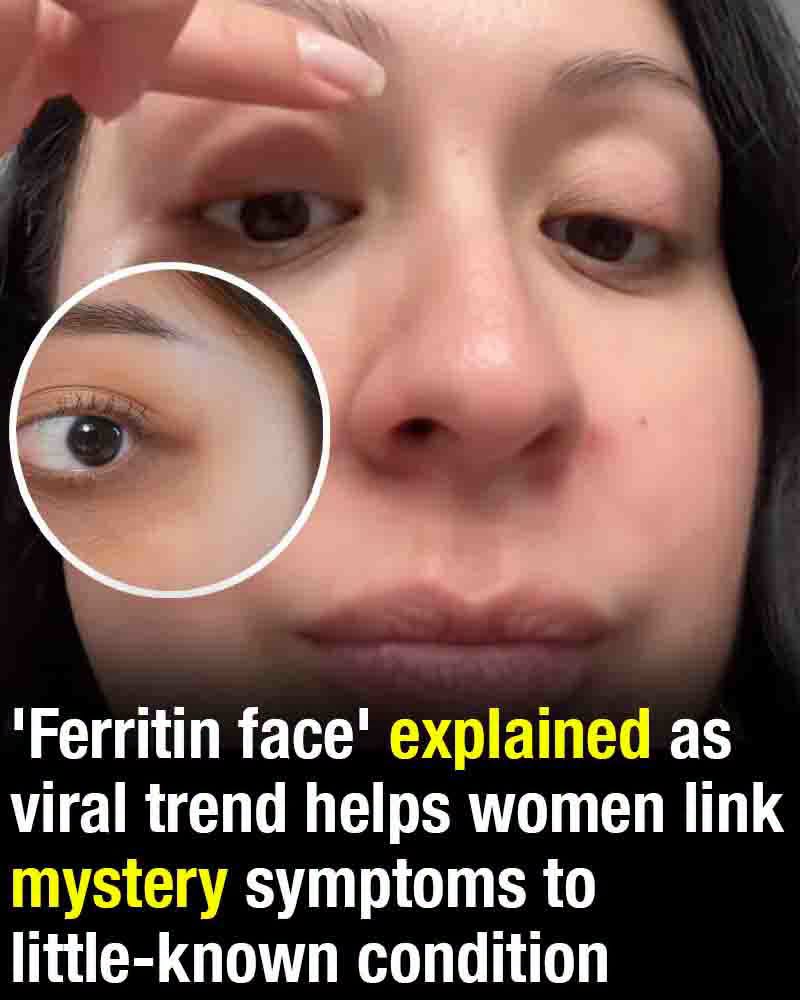
Pale skin, brittle hair, stubborn dark circles and a tired-looking complexion are among the symptoms women are discussing online as a viral TikTok trend known as “ferritin face” draws attention to a potential link between physical appearance and iron deficiency.
The trend suggests that certain visible changes in the face, skin and hair could be signs of low ferritin, a protein that stores iron in the body. Although “ferritin face” is not a medically recognized condition or diagnosis, the phrase has gained popularity as more women share their experiences and question whether changes in their appearance could be connected to an underlying health issue.
Medical experts say the growing interest reflects a broader concern: iron deficiency is common, particularly among women, and symptoms may develop gradually, sometimes long before the condition is diagnosed.
According to the Mayo Clinic, iron deficiency anemia is a common type of anemia, a condition in which the blood does not have enough healthy red blood cells. These cells are responsible for carrying oxygen to the body’s tissues, making iron an essential part of maintaining normal bodily functions.
Dr. Subramaniam Ramakrishnan, a consultant gastroenterologist, explained the potential consequences of untreated iron deficiency, according to Tyla.

“Anemia is one of the consequences of iron deficiency,” he said. “If left uncorrected, iron deficiency results in a drop in haemoglobin, which carries our blood to different organs.”
For many women sharing their experiences online, the discussion is not simply about looking tired or pale. Some say they experienced noticeable changes in their appearance before realizing that an iron deficiency could be responsible.
One woman described how dramatically her appearance changed after addressing her iron deficiency anemia.
“The difference in skin tone once u (sic) finally heal ur (sic) iron deficiency anemia is crazy,” she wrote, according to the outlet. “I was so pale at one point that people close to me started asking if I was okay, and I didn’t realize anything was wrong until my hair literally started falling out and I started fainting.”
Another woman shared her experience of receiving treatment shortly before her wedding.
“I had an iron infusion a week before my wedding, and people thought I got a fake tan,” she commented.
These personal accounts have helped fuel interest in the trend, with women wondering whether changes in their skin tone, hair condition and overall appearance could point to low iron levels.
However, experts caution that while iron deficiency can affect physical appearance, these signs are not exclusive to the condition. Appearance alone cannot establish whether someone has an iron deficiency, and other explanations must also be considered.
What Is ‘Ferritin Face’?
The term “ferritin face” is used online to describe a collection of visible changes that some people associate with low ferritin levels, including pale skin, dry lips, dark circles under the eyes and thinning hair.
According to Dr. Luke Pratsides, Chief Medical Officer at preventive health clinic Ohas, these features can sometimes indicate a significant iron deficiency that has progressed to anemia.
“The hallmark features of ‘ferritin face’, such as pale skin, dry lips, dark circles around the eyes and thinning hair, can be signs of significant iron deficiency that may be causing anaemia,” Dr. Pratsides told Tyla.
However, he stressed that similar symptoms can occur for several other reasons, making it difficult to determine the cause simply by looking at someone’s face.
“However, very similar signs can appear with other nutrient deficiencies that cause anaemia, such as low vitamin B12 or folate. Many of them are also really common for everyday reasons.”
Dark circles, for example, may be linked to genetics, insufficient sleep or allergies rather than an underlying nutritional problem. Lighting conditions and dehydration can also influence how a person’s face appears, particularly in photographs and videos shared on social media.
Dr. Pratsides emphasized that these visible signs should not be treated as proof of low ferritin.
“So, you can’t be sure someone has low ferritin just by looking at them. The only way to know is a blood test.”
This distinction is particularly important because iron deficiency does not always produce obvious physical changes.
“Low iron/iron deficiency without anaemia may not be recognised as the general appearance of people with this condition may not be different to their normal selves,” he explained.
In other words, a person may have low iron stores without looking noticeably different or showing the characteristic features frequently discussed in online videos.
When iron deficiency becomes more severe and leads to anemia, however, certain changes in appearance may become more apparent.
Dr. Pratsides explained that people with iron deficiency anemia may appear generally paler than usual. The inside of their eyelids may also look less red, while severe cases can sometimes affect the nails.
One possible change is the development of curved or concave nails rather than their usual flatter or convex shape.
Hair changes are another potential symptom. Some people may experience hair loss, while others notice that their hair becomes frizzier or grows more slowly.
Although these symptoms can be concerning, they do not necessarily indicate iron deficiency on their own. A medical assessment and appropriate testing are needed to establish what is causing them.
How Low Ferritin Can Affect the Body
Ferritin plays an important role in storing iron, which the body needs to produce hemoglobin. Hemoglobin is the protein in red blood cells that carries oxygen throughout the body.
When iron levels become too low, the body’s ability to produce sufficient hemoglobin can be affected. If the deficiency progresses to anemia, less oxygen may be delivered to the body’s tissues, potentially contributing to fatigue, weakness and other symptoms.
Dr. Shirin Lakhani, a women’s health and hormone health expert, explained that iron has several important functions beyond its connection to blood health.
“Iron, stored as ferritin, is essential for oxygen transport via haemoglobin, meaning our oxygen levels can be impacted if our ferritin is low,” she said.
“It is also important for energy production, brain function and concentration, hormonal balance and even hair growth and skin health.”
This helps explain why iron deficiency can affect more than someone’s complexion or hair. Depending on its severity, it may also influence energy levels, concentration and general well-being.
However, the presence of these symptoms does not automatically mean ferritin is low. Many conditions can cause similar problems, which is why testing is important rather than relying on online symptom lists.
Why Women Are More Vulnerable to Low Ferritin
Women of reproductive age are particularly susceptible to low ferritin because of blood loss during menstruation. The risk can be greater for those who experience heavy periods, as regular blood loss can gradually reduce the body’s iron stores.
Pregnancy and childbirth can also increase the risk of iron deficiency. During pregnancy, the body requires more iron to support the developing baby and the mother’s increased blood supply. Blood loss during delivery can further contribute to reduced iron levels.
Certain gynecological conditions may raise the risk as well. These include menorrhagia, which refers to unusually heavy menstrual bleeding, as well as endometriosis and uterine fibroids.
For women experiencing these conditions, low ferritin may develop over time and can sometimes go unnoticed until symptoms become more disruptive.
Dr. Lakhani told Tyla that iron deficiency can produce a range of physical and cognitive symptoms, some of which may initially be mistaken for stress, poor sleep or everyday exhaustion.
“Physical symptoms include persistent fatigue (even with adequate sleep), shortness of breath, dizziness or lightheadedness, cold intolerance and pale, dry skin,” she explained.
“Your hair may thin or shed and your nails get more brittle. You can experience poor concentration and brain fog, headaches, and low mood or irritability as well as restless legs, especially at night.”
These symptoms can affect everyday life in different ways. Persistent fatigue may make routine activities more difficult, while dizziness, headaches and difficulty concentrating can interfere with work and daily responsibilities.
Hair thinning, brittle nails and changes in skin appearance may also become noticeable, prompting some people to look for explanations.
Yet the symptoms vary from person to person, and their severity can depend on how low iron levels have fallen and whether anemia has developed.
When Should You See a Doctor?
Although the “ferritin face” trend has encouraged conversations about iron deficiency, experts warn against diagnosing the condition based on social media content or physical appearance alone.
Pale skin, dark circles, hair loss and fatigue can have many different causes. Even when several symptoms occur together, they are not enough to confirm that someone has low ferritin.
Anyone who suspects they may have an iron deficiency should consult a qualified healthcare professional. A doctor can assess their symptoms, consider possible causes and determine whether blood tests are needed to measure iron stores and check for anemia.
Getting an accurate diagnosis is important because treatment depends on the underlying cause and the severity of the deficiency. It is also important to establish whether ongoing blood loss or another health condition is contributing to the problem.
Dr. Ramakrishnan warned that iron deficiency anemia should not be left undiagnosed or untreated.
“If left undiagnosed or untreated, iron deficient anaemia can lead to breathlessness, heart failure, swelling of feet, and weight loss,” he told Tyla.
The warning highlights why persistent symptoms deserve medical attention, even when they initially seem minor or are attributed to a person’s appearance.
Ultimately, the popularity of “ferritin face” may help more women recognize that changes in their skin, hair and energy levels can sometimes be associated with an underlying health issue. But the trend should be viewed as a starting point for asking questions, not as a way to diagnose a condition.
A change in appearance does not necessarily mean iron levels are low, and someone can have iron deficiency without obvious facial changes. If symptoms persist or cause concern, seeking professional medical advice and appropriate testing is the safest way to understand what is happening.
This article is for informational purposes only and does not constitute medical advice. Anyone with concerns about their health should consult a qualified healthcare professional.