Why Toads Keep Appearing Around Your House: The Scientific Explanation
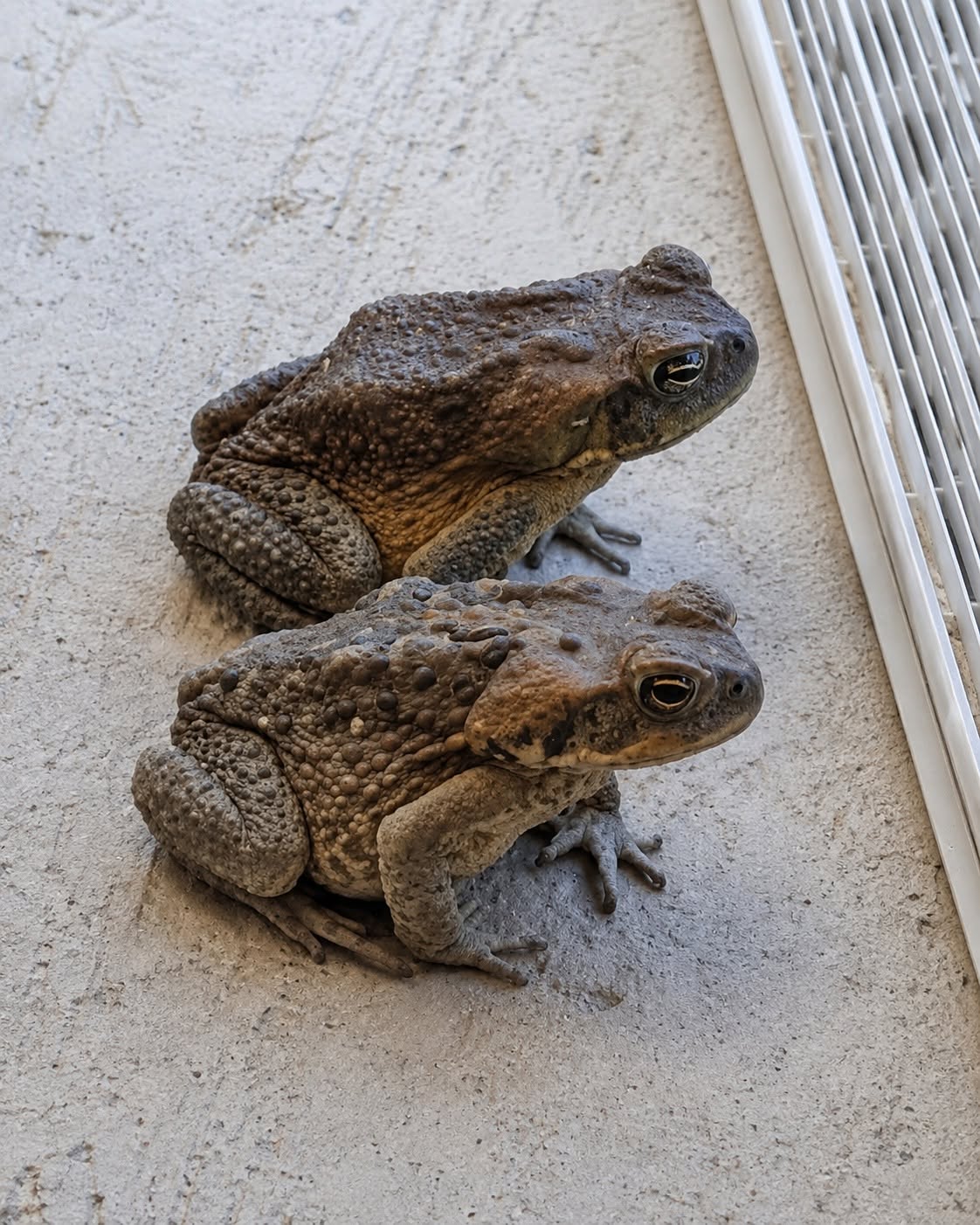
Seeing a toad near your front entrance, patio, garage, or garden can seem mysterious—especially when it shows up after sunset or following a period of heavy rain.
In some traditions, people associate a visiting toad with good fortune, transformation, or a message from the natural world. From a scientific perspective, however, the reason is usually far more straightforward: your property is temporarily providing something the toad needs.
Toads do not typically approach a home because they are “warning” the family about something that is going to happen. Most often, they are searching for food, moisture, shelter, or a pathway between habitats. As amphibians, their behavior is strongly affected by temperature and access to water. Because their skin is permeable, they look for small environments that help prevent them from becoming dehydrated.
Recognizing these basic needs can help explain why a single toad—or sometimes several—might suddenly show up around your home.
1. Toads Appear When Rain and Humidity Make Movement Safer
One of the most common occasions for spotting toads is during rainfall or soon afterward. Damp ground and humid conditions lower the risk of dehydration, making it easier for them to leave their daytime shelters and cross exposed areas safely.

Rain also increases the activity of many small creatures that toads feed on. Earthworms move nearer to the surface, slugs become more active, and many insects begin to emerge. Certain burrowing species remain underground during dry conditions and become active again when rainfall produces suitable opportunities for feeding or reproduction.
That is why a toad can seem to “arrive with the rain.” In reality, it was likely already nearby, hiding beneath soil, fallen leaves, rocks, logs, or another sheltered location.
2. Outdoor Lighting Creates a Nighttime Feeding Area
Many toads are primarily active after dark, when temperatures drop and humidity often increases. At the same time, porch lights, garden lamps, garage lighting, and illuminated windows attract moths, beetles, crickets, flies, and many other insects.
For a hungry toad, the area beneath a light can become an ideal hunting ground. It can remain still and wait until prey moves close enough to catch. Toads are opportunistic predators that eat many kinds of invertebrates, including beetles, slugs, snails, worms, ants, termites, and other insects.
A toad that repeatedly returns to the same porch may simply have discovered that food reliably appears there each night.
For illustrative purposes only
3. Your Yard Offers Cool, Moist Shelter
During daylight hours, toads generally stay away from direct sun and exposed, dry ground. Instead, they seek places that remain shaded, cool, and protected from predators. Typical hiding spots include fallen leaves, loose earth, dense vegetation, piles of wood, spaces beneath steps, overturned flowerpots, drains, and openings underneath outdoor structures.
A garden containing mulch, leaf litter, thick plants, moist corners, or objects lying directly on the ground can provide excellent daytime shelter. Some toads also occupy burrows made by other animals or create shallow hiding places themselves. Asian common toads, for instance, are nocturnal and may spend daylight hours beneath rocks, logs, fallen leaves, drains, rubbish piles, and buildings.
If your property stays cooler and more humid than nearby areas, it may serve as a valuable refuge during periods of hot or dry weather.
4. A Water Source Is Close By
Although adult toads usually spend more time on land than many frog species, they still rely on water. Numerous species return to ponds, drainage ditches, wetlands, temporary pools, and other calm bodies of water for reproduction. Because toad eggs and tadpoles develop in water, seasonal journeys toward breeding areas can lead adults through residential neighborhoods and gardens.
A toad might be drawn to a garden pond, rain garden, low-lying area where water collects, leaking outdoor tap, air-conditioner drainage pipe, pet water bowl, or consistently moist patch of soil. It could also simply be crossing your property while traveling toward a natural source of water.
Standing water should not be left unmanaged, since neglected containers can provide breeding sites for mosquitoes. A wildlife-friendly garden should rely on properly maintained ponds, circulating water, or shallow dishes that are refreshed regularly rather than abandoned buckets, tires, or blocked gutters.
5. Your Garden Contains Plenty of Food
A toad that regularly visits your property may be revealing something practical about your garden: there is enough prey available to sustain it.
Toads consume many creatures gardeners commonly regard as pests, including slugs, snails, grubs, beetles, and numerous insects. This does not mean a single toad can eliminate every garden pest, and exaggerated claims about exactly how many insects one toad consumes each night should be viewed carefully. Even so, toads are genuine insect-eaters and can contribute positively to a balanced garden ecosystem.
Their presence may indicate an abundant population of invertebrates. It could also suggest that outdoor lights, damp organic debris, compost, or inadequate drainage are causing insects to gather near your home.
6. The Toad May Have Wandered Inside by Accident
Occasionally, a toad is discovered inside a garage, basement, bathroom, utility room, or even a living area. In most situations, it did not intentionally select the building as a permanent place to live.
It might have entered through an open doorway, followed insects indoors, slipped through a small opening, or become trapped while searching for a cool place to hide. Smooth flooring, stairways, window wells, and deep containers can sometimes make it difficult for the animal to get back outside.
If the toad seems healthy, avoid chasing, grabbing, or squeezing it. Keep pets and children at a distance, place a container carefully over the animal, gently slide a firm piece of cardboard beneath it, and release it outdoors in a shaded spot close to where it was discovered. Keep handling to a minimum because amphibian skin is sensitive and can easily absorb substances present on human hands.
For illustrative purposes only
Does a Toad Near Your Home Mean the Environment Is Healthy?
Possibly—but not necessarily.
Amphibians are frequently regarded as useful indicators of environmental conditions because their permeable skin and complex life cycles expose them to changes in both aquatic and terrestrial habitats. A property that supports toads may offer sufficient moisture, shelter, prey, and access to nearby breeding areas.
However, seeing one individual does not confirm that the entire surrounding ecosystem is healthy or pollution-free. Toads can also congregate around homes because artificial lighting attracts insects, drainage issues produce damp areas, or their natural habitat has been disrupted. Their presence is better viewed as an ecological clue rather than a complete measure of environmental health.
Are Toads Dangerous?
Most toads are not aggressive and would rather retreat than confront a person. They do not cause warts; that familiar belief is untrue.
However, many true toads have defensive glands located behind their eyes that can produce irritating or toxic secretions. The potency of these substances differs considerably between species. Some larger species, including Sonoran Desert toads and cane toads, can seriously poison dogs or other animals that bite or lick them.
Do not let pets put a toad in their mouth. Wash your hands after accidental contact, and avoid touching your eyes or mouth. If a pet bites a toad and begins showing signs of illness, contact a veterinarian immediately.
Should You Leave Toads Alone or Remove Them?
In most cases, a toad found outdoors should simply be allowed to remain where it is. It is a wild animal carrying out a valuable ecological function by eating invertebrates while also providing food for other wildlife.
To help keep the environment safer for both people and toads:
Reduce unnecessary use of pesticides and herbicides.
Inspect lawns and tall vegetation before mowing.
Supervise pets outdoors during nighttime hours.
Cover deep window wells and eliminate potential trapping hazards.
Repair leaking pipes and remove unhealthy standing water.
Use outdoor lights only when they are needed.
Maintain some shaded vegetation or leaf litter away from entrances and walkways.
If you prefer not to have toads gathering immediately beside your home, modify the conditions instead of harming the animals. Limit lights that attract insects, close gaps beneath doors, remove excessive clutter around the foundation, and address drainage issues.
The Real Meaning Behind a Toad Visit
So, why do toads come to your house?
They appear when humidity makes movement safer, when rainfall brings prey closer to the surface, when artificial lights attract insects, when a garden provides cool shelter, or when nearby water and breeding habitats are available. In some cases, they are simply traveling through. In others, they may have discovered that your porch provides a dependable feeding spot.
A visiting toad is not necessarily a supernatural message, but it can serve as a meaningful reminder that our homes are never completely disconnected from the natural environment. Even a modest garden can become part of a wider network of feeding areas, shelters, and breeding habitats.
The next time you notice a toad sitting quietly beside your door, pay attention to the surroundings. Is the soil damp? Are insects gathering around a light? Is there dense vegetation or a nearby pond? The explanation is probably right there—not in superstition, but in the toad’s simple and fascinating biology.