What’s Really Behind the Meat You Buy at the Supermarket? What Shoppers Should Know
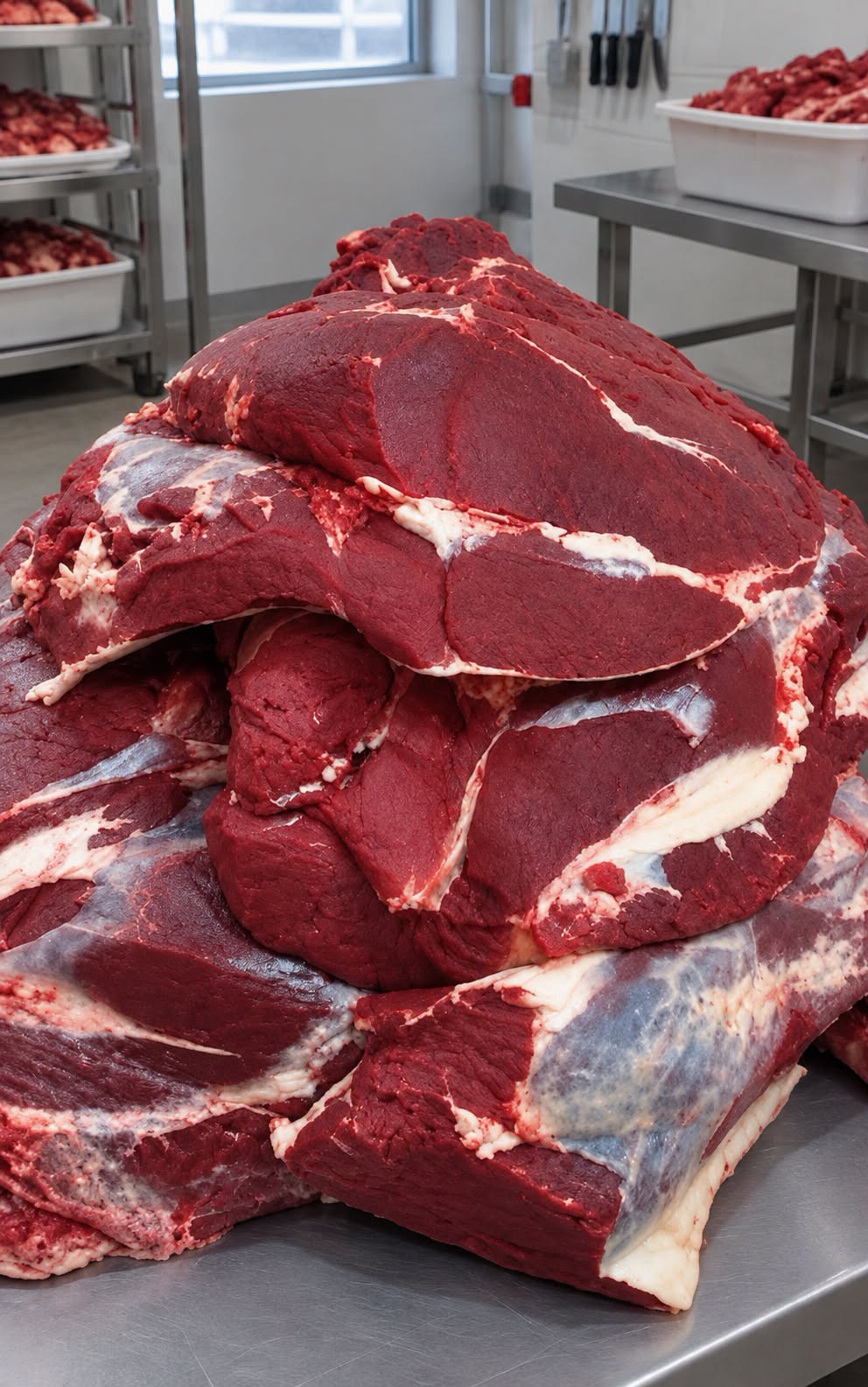
Supermarket meat can travel through processors, distributors, and importers before reaching the shelf. That complexity can make its origins difficult to trace from the store’s name alone, but it does not establish wrongdoing. Imported meat is not automatically inferior, and differences in color or texture can reflect packaging, oxygen exposure, or the cut itself. Quality and safety are separate issues: neither an attractive appearance nor a familiar brand guarantees that food has been handled correctly.
For families, reassurance comes from practical checks rather than frightening rumors. Read storage instructions and available origin information, avoid damaged or leaking packages, and refrigerate purchases promptly. Never taste suspicious meat to test its safety; return or discard it if spoilage is suspected. Keep receipts and package details so official recall notices can be matched against your purchases. When questions remain, contact the retailer or manufacturer. Clear information—not guesswork—is the strongest foundation for confident shopping.