Why Having A Cooper’s Hawk In Your Yard Is Not Always Good News
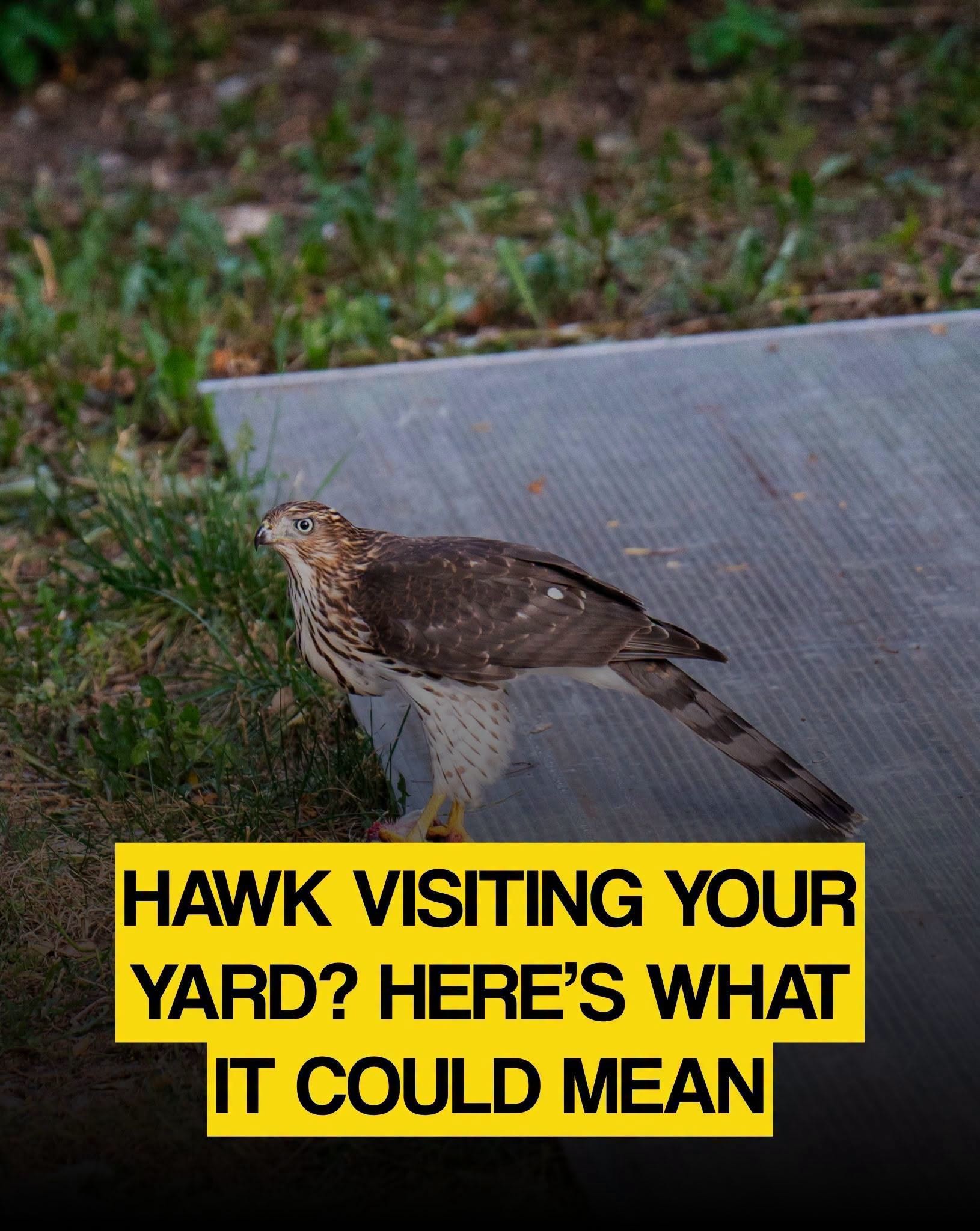
Cooper’s hawks are agile woodland hunters, and suburban feeders concentrate their prey in predictable places. Their arrival can send songbirds into hiding, while scattered feathers beneath a perch reveal a successful hunt. It is unsettling to witness, but predation is part of a functioning ecosystem. To reduce repeated ambushes, remove feeders for one or two weeks and provide dense native shelter nearby. Protect chicks and small chickens with securely enclosed runs rather than relying on scare devices.
Other precautions make sharing the yard easier. Apply closely spaced exterior window markers to reduce collisions, give nesting hawks plenty of space, and supervise very small pets outdoors; attacks on cats and dogs by this species are rare. In the United States, federal law protects Cooper’s hawks, so never harm or trap one without authorization. Contact a licensed wildlife rehabilitator for an injured bird. Coexistence means protecting vulnerable animals while respecting the wild hunter’s place in the neighborhood.