Why Some Wall Outlets Are Installed Upside Down: The Practical Reason Behind It
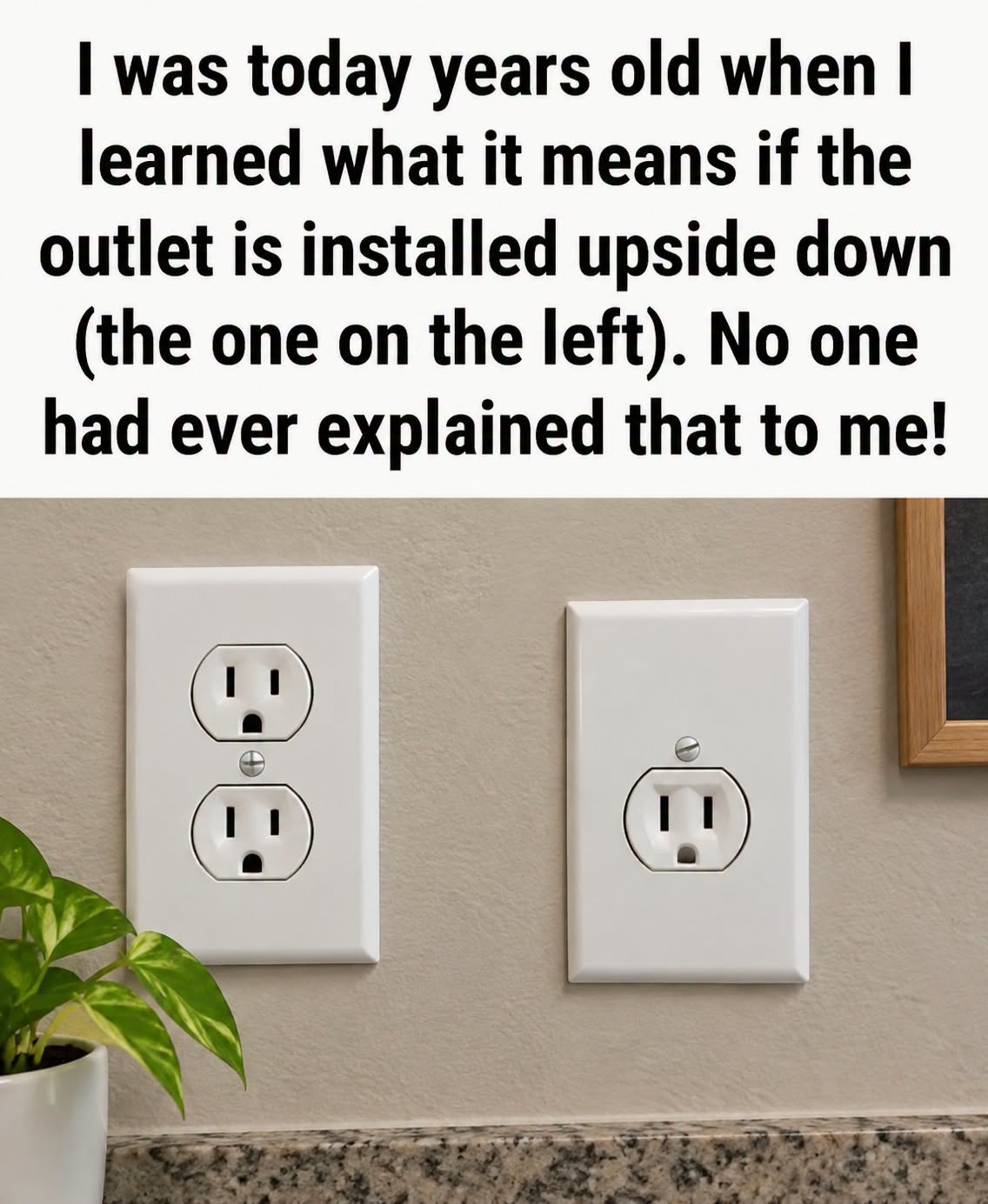
In many homes, especially older ones, wall switches were originally meant to control lamps, not overhead fixtures. Electricians often wired just one half of a receptacle to a switch, leaving the other half always powered. To help distinguish these “switched” outlets from standard ones at a glance, some electricians began flipping them upside down as a subtle visual cue. It isn’t mandated by the national electrical code, but rather a practical convention that spread through habit and local practice.
Because there’s no universal rule about orientation, an upside-down outlet in your home might be switched, or it might simply reflect the installer’s preference or regional style. The only way to know for sure is to test it: plug in a lamp or device and try nearby switches. What initially seems like a mistake is usually a thoughtful choice, meant to add convenience, flexibility, or clarity to everyday living.