11 Reasons Why You Have Red Dots on Your Skin (And When to Worry)
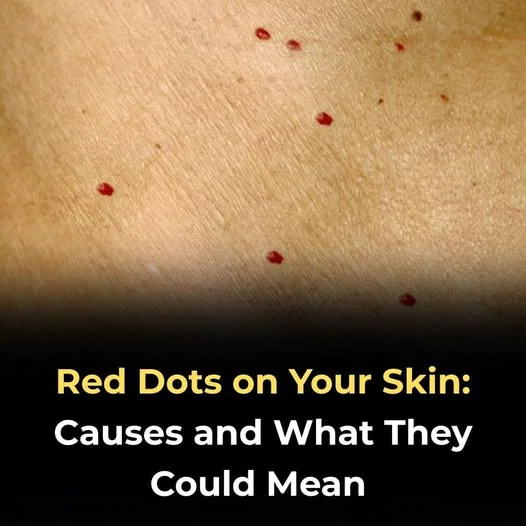
Engaging Introduction
Let me tell you about the morning I nearly called my doctor in a panic over a tiny red dot.
I was getting dressed when I noticed it: a small, bright red pinprick on my chest. I’d never seen it before. Was it new? Had it always been there? I stared at it. I poked it. It didn’t hurt. It wasn’t raised. It just… was.
Within seconds, my brain had cycled through every worst-case scenario. Leukemia. Meningitis. Something rare and terrible that I’d see on a medical drama.
I texted a photo to my sister, who’s a nurse. She replied in thirty seconds: “Cherry angioma. Totally harmless. Stop googling.”
I stopped googling. But I didn’t stop wondering.
Those tiny red dots—sometimes flat, sometimes raised—can appear anywhere and often cause worry. While many causes are harmless, some warrant medical attention. Here’s a clear, science-backed guide to help you understand what they might be.
Let me walk you through the 11 most common reasons for red dots on the skin, from completely benign to see-your-doctor territory.
First, A Quick Note Before We Begin
I am not a doctor. This article is for educational purposes only. If you are concerned about any skin changes—especially if they are new, changing, bleeding, or accompanied by other symptoms—please see a healthcare professional.
That said, most red dots on the skin are harmless. Your body is not a medical emergency waiting to happen. Let’s start with the most common (and most reassuring) causes.
The 11 Most Common Causes of Red Dots on the Skin
1. Cherry Angiomas (The Most Common)
These are the “little red dots” that most people are actually seeing.
What they look like: Small, bright red, smooth or slightly domed. They can be flat or raised. They range from a pinprick to the size of a pencil eraser. They don’t itch, don’t hurt, and don’t blanch (turn white) when you press on them.
What they are: Benign growths of blood vessels (capillaries) in the skin. They’re made of clustered blood vessels, which is why they’re red.
Who gets them: Extremely common. Nearly 75% of adults over 30 have at least one. They increase in number with age.
Are they dangerous? No. Cherry angiomas are completely benign. They do not turn into cancer. They are not a sign of internal disease. They are simply a cosmetic change.
Do you need treatment? No. People sometimes have them removed for cosmetic reasons (laser, electrocautery, or shave excision). But treatment is never medically necessary.
When to mention it to a doctor: If a cherry angioma changes suddenly (grows rapidly, changes color, bleeds spontaneously). Otherwise, it’s just part of being human.
2. Petechiae (Tiny Red or Purple Pinpricks)
These look different from cherry angiomas. They’re smaller, flatter, and more like a rash than individual dots.
What they look like: Tiny, flat, red or purple pinprick dots that do not blanch (turn white) when you press on them. They often appear in clusters and can look like a rash.
What they are: Petechiae are tiny hemorrhages under the skin caused by broken capillaries. They occur when something causes small blood vessels to leak.
Common causes:
Straining (coughing, vomiting, lifting heavy weights, childbirth)
Tight clothing or tourniquets
Sunburn or trauma (bumping into something)
Certain medications (blood thinners, some antibiotics, antidepressants)
Low platelet count (thrombocytopenia) – more serious
Are they dangerous? It depends on the cause. Petechiae from straining or minor trauma are harmless and resolve in a few days. Petechiae that appear without an obvious cause, or that are accompanied by other symptoms (bleeding, bruising, fever), warrant medical attention.
When to see a doctor: If petechiae appear suddenly, cover a large area, occur without an obvious cause (no trauma, no straining), or are accompanied by fever, easy bruising, or bleeding gums.
3. Folliculitis (Inflamed Hair Follicles)
These red dots are usually a little angry-looking and may have a white head.
What they look like: Red bumps centered around hair follicles. They may have a white or yellow pus-filled tip (pustule). They can be itchy or tender.
What they are: Inflammation or infection of hair follicles, usually caused by bacteria (Staphylococcus), but also by fungi, ingrown hairs, or irritation from shaving or tight clothing.
Common locations: Beard area, scalp, legs (after shaving), buttocks, armpits.
Are they dangerous? No. Most cases are mild and resolve on their own or with simple home care.
What to do: Warm compresses. Gentle cleansing with antibacterial soap. Stop shaving the area until it heals. Wear loose clothing. Over-the-counter antibiotic ointments (Neosporin, Bacitracin) can help.
When to see a doctor: If the bumps are large, painful, spreading rapidly, or accompanied by fever. If you have recurrent folliculitis, you may need prescription antibiotics.
4. Keratosis Pilaris (Chicken Skin)
This is incredibly common and often mistaken for acne.
What they look like: Tiny, rough red or flesh-colored bumps, usually on the upper arms, thighs, buttocks, or cheeks. The skin often feels like sandpaper.
What they are: Keratosis pilaris occurs when keratin (a protein in skin) builds up and blocks hair follicles. It’s genetic and completely harmless.
Who gets it: Very common – affects up to 50-80% of adolescents and many adults. It often improves with age.
Are they dangerous? No. It’s purely a cosmetic and texture issue.
What to do: Moisturize regularly (look for lotions with urea, lactic acid, or salicylic acid). Gentle exfoliation can help. It often improves in summer (humidity) and worsens in winter (dryness).
When to see a doctor: You don’t need to, unless the appearance bothers you. A dermatologist can prescribe stronger creams.
5. Hives (Urticaria)
These are red, raised, itchy welts that can appear suddenly.
What they look like: Red or skin-colored raised welts (wheals) that can vary in size and shape. They are intensely itchy. Individual welts come and go within hours, but new ones can appear as old ones fade.
What they are: An allergic reaction (to food, medication, insect bites, pollen, latex) or a response to physical triggers (cold, heat, pressure, exercise, sunlight, stress). Sometimes the cause is never identified (idiopathic urticaria).